
Livraison le jour même ou le lendemain

Qualité garantie

Débloquez vos offres de bienvenue: Livraison GRATUITE | Jusqu'à -80 % | 30 jours d'essai gratuits à JoyPlus
Téléchargez l'application
Japanese and international biscuits are a hit thanks to their exciting flavours, easy-to-carry formats and colourful packaging. But attractive presentation does not necessarily guarantee a worthwhile purchase. Between very sweet filled biscuits, small pouches that disappear in two bites and imported products whose labelling needs careful attention, a treat can quickly turn into a disappointment.
Here are the main criteria to check before ordering Oreo biscuits, Pocky, Japanese cakes or other sweet snacks online.
A large-looking pack may contain several small individual pouches. When comparing two products, always check the total net weight, the number of biscuits or pouches, and the price per 100 g. A 40 g format is suitable for an occasional taste, while a 176 g or 211.5 g pack is better suited to sharing.
Individual portions are nevertheless very practical. They fit easily into a lunch box, limit contact with moisture and avoid having to reopen a large pack several times.
‘Strawberry’, ‘red berries’, ‘vanilla’ or ‘salted caramel’ suggest a flavour, but do not guarantee that it comes from an ingredient present in any significant quantity. The ingredients list helps you distinguish between fruit powder, concentrated juice, flavouring or a filling made primarily from sugar and fat.
This quick check is particularly useful with strawberry biscuits, chocolate biscuits and filled biscuits in less familiar flavours.
International recipes may contain wheat, milk, soya, eggs, nuts, peanuts or sesame. The ingredients may vary depending on the product and country of manufacture. Take the time to check the label on the product you receive, especially if you are buying for a child or someone with an allergy or intolerance.
In the European Union, allergens must be clearly highlighted on the label. For imported products, also check that the information is available in French and that the details of the responsible person in the European Union appear on the packaging when required.
Before choosing, start by deciding how the biscuits will be eaten :
Biscuits designed for sharing are not necessarily the easiest to store. Once opened, reseal the pack carefully or place its contents in an airtight container to preserve their crunch.
Japanese biscuits come in several varieties : coated biscuit sticks, rolled wafers, hollow filled biscuits, milk biscuits or sandwich cookies. Texture can sometimes matter more than flavour when it comes to avoiding an unpleasant surprise.
Products coated with chocolate or caramel do not cope well with high temperatures. Filled biscuits and wafers also lose their crunch more quickly when left exposed to air. If you plan to eat them gradually, individual formats offer a very practical advantage.
The nutrition table makes it possible to compare products on a consistent basis. As a general guide, the products in this selection typically contain between 430 and 537 kcal per 100 g, with sugar and fat levels varying according to the filling and coating.
A few simple pointers may help :
These biscuits are still treats to be enjoyed as part of everyone’s individual eating habits, without attributing any medical benefit to them.
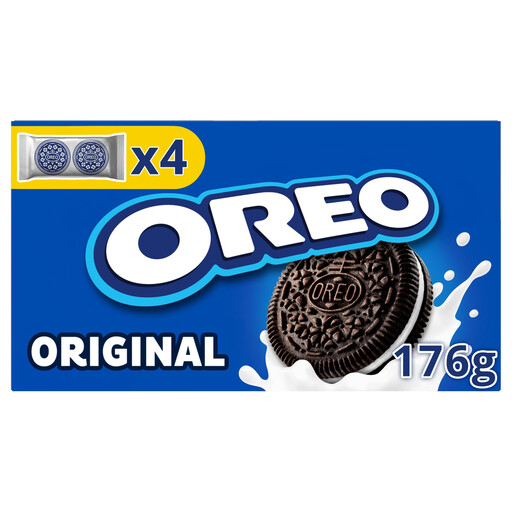
Why this choice suits this profile : At 176 g, this pack lets you discover a reliable favourite without building up a collection of small formats. The two cocoa biscuits and vanilla cream are just as suitable for a snack as they are for sharing or enjoying with a glass of milk.
The net weight and number of biscuits are clearly stated, making it easier to compare with other Oreo biscuits. The ingredients list specifically mentions wheat and soya, as well as the possible presence of milk.
176 g pack, 12 biscuits, classic vanilla flavour and made in Germany.
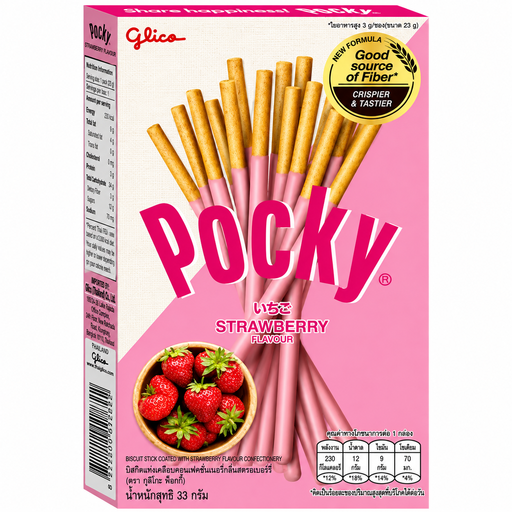
Why this choice suits this profile : These sticks combine a crisp biscuit base with a delicately flavoured strawberry coating. Their 43 g format is ideal for a sensible snack, a lunch box or enjoying with a cup of tea.
The actual weight is clearly displayed : there is no oversized pack designed to create a false impression of quantity. The ingredients list mentions wheat, milk and soya, as well as strawberry powder.
Compact 43 g format, crisp texture, strawberry coating and origin listed as Thailand.
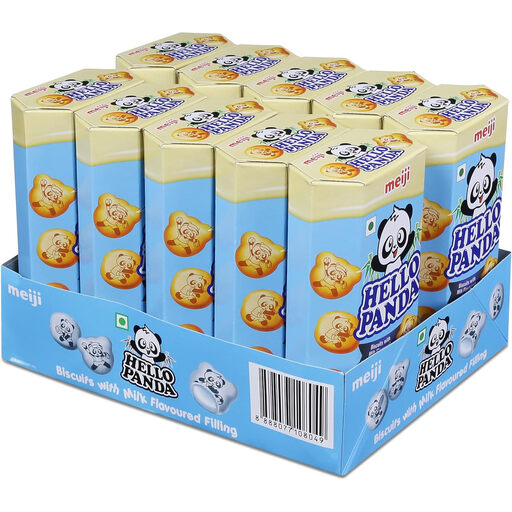
Why this choice suits this profile : The ten 47 g pouches are particularly practical for families, regular snacks and group activities. These small hollow biscuits filled with milk feature pandas taking part in different sports, making them as fun to eat as they are delicious.
The ten-portion packaging means you do not have to keep reopening a large pack. The listed allergens include milk, wheat and soya : always check them carefully before eating.
Ten 47 g pouches, creamy milk filling, biscuits ready to eat and origin listed as Singapore.
We have brought together a complete, real-time-updated selection of products that meet these demanding criteria and European food safety rules.
Most products should be kept in a cool, dry place, away from sunlight and sources of heat. Biscuits coated with chocolate or cream are particularly sensitive to high temperatures. Once the pouch has been opened, reseal it carefully or transfer the biscuits to an airtight container.
If you buy in bulk, check the best-before date printed on each pack rather than relying solely on the delivery date. Ideally, an opened pack should be eaten promptly to preserve its full texture.
Individual formats, such as Pocky, Glico Collon biscuits or Meiji Hello Panda portions, fit easily into a bag. Nevertheless, check the allergens and the child’s age, particularly with small formats that can be eaten very quickly.
The information available depends on the distribution channel and the product. Before eating them, check the labelling, ingredients list, allergens, net weight, storage conditions and, when stated, the identity of the responsible person in the European Union.
Compare the price by weight, the number of portions and the quantity that can actually be eaten. A large sharing pack may seem more economical, while individual pouches help reduce waste and are easier to carry. The best choice therefore depends as much on how you plan to use the product as on the price shown.