
Livraison le jour même ou le lendemain

Qualité garantie

Débloquez vos offres de bienvenue: Livraison GRATUITE | Jusqu'à -80 % | 30 jours d'essai gratuits à JoyPlus
Téléchargez l'application
Comforting ramen, homemade sushi, unique Japanese snacks... Japanese cuisine has never been more popular. But to master these dishes, it all starts with the right ingredients. And that's where things get complicated: buying Japanese products online can quickly become a headache. Between misleading packaging and broken promises, it's hard to know what to choose.
As the head of product selection at Joybuy, my mission is to help you gain some clarity. Here is our advice for navigating the world of online Japanese groceries and making the right choices, without falling for the most common marketing traps.
Shopping for groceries online should be a pleasure. Yet, a few simple missteps can turn the experience into a culinary disappointment.
sushi rice, or a "teriyaki" sauce that's just a vague mix of sugar and low-grade soy sauce. In the end, the flavour and texture are light-years away from what you'd expect from a real Japanese dish.dashi, ponzu, or kombu can seem intimidating. But buying a basic soup powder thinking it will replace a real dashi can completely ruin the taste of your miso soup. Understanding the purpose of each ingredient is crucial.Kikkoman soy sauce is naturally brewed. Low-cost alternatives, on the other hand, often use chemical processes that degrade the flavour. A quick look at the ingredient list and the country of origin is all it takes to separate the wheat from the chaff.To ensure you're buying Japanese products that deliver on their promise, focus on these key points.
Japanese cuisine relies on specific ingredients that demand precision.
dashi is a broth made from kombu seaweed and dried bonito flakes (katsuobushi). Powdered or liquid versions are convenient, as long as you check that they contain these two main ingredients.Japanese cooking ingredients come in many sizes. Choosing the right one helps prevent waste and optimise your budget.
instant ramen are perfect for getting started.dashi powder will be a better value.To guide you, here are a few products we've approved. Each one meets a specific need and will help you avoid the disappointments we've just discussed.
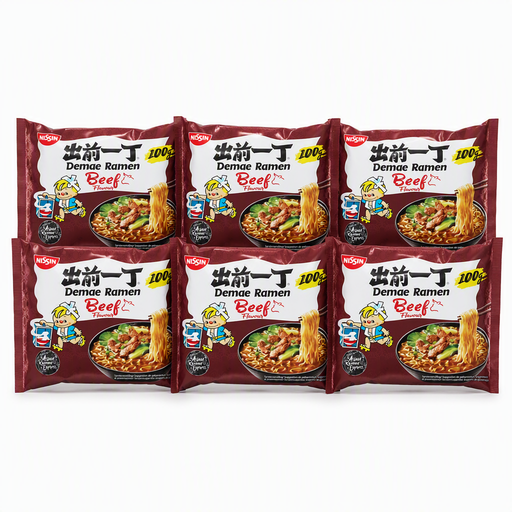
Why we chose it: Ideal for an easy introduction to Japanese flavours. It's a simple and tasty entry point for a quick meal, perfect for students and busy families alike.
This is an iconic Japanese brand, Nissin, not a vague imitation. The flavour is authentic and the quality is consistent: you know exactly what you're getting.
Ready in 3 minutes flat. The pack format is perfect for always having a simple, comforting meal on hand.
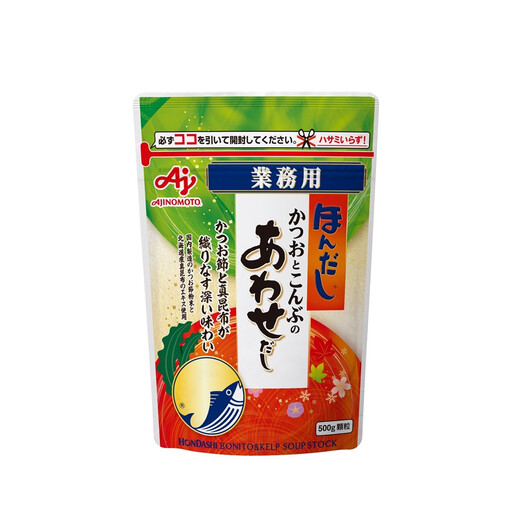
Why we chose it: This is the essential ingredient for anyone who wants to cook Japanese dishes with authentic flavour. This broth is the umami foundation for soups, sauces, and simmered dishes.
This is a genuine dashi broth made in Japan by Ajinomoto, an industry leader. It contains real bonito powder and kombu extract, guaranteeing a deep umami flavour, not just a salty taste.
Ultra-versatile and highly concentrated, a small amount is enough to transform a dish. The 500g size is very economical for regular use.
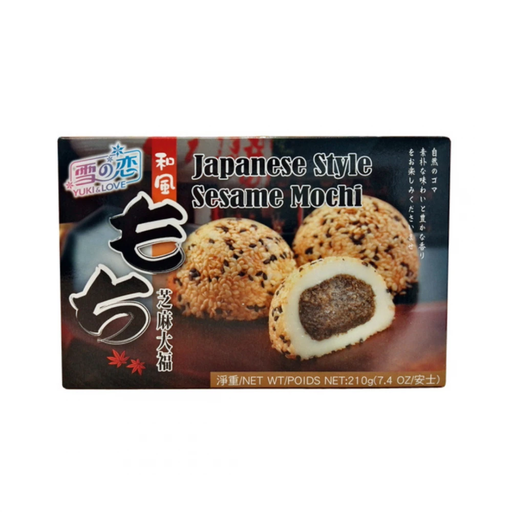
Why we chose it: To experience the unique and special texture of a real Japanese `mochi`. This daifuku offers the characteristic soft, chewy texture of glutinous rice, paired with a flavourful filling.
Unlike generic "Asian-style" sweets, this product follows the traditional daifuku recipe: a glutinous rice dough and a sesame filling, for an authentic tasting experience.
The combination of the mochi's chewy texture and the rich taste of the sesame paste makes it a classic and irresistible Japanese dessert or snack.
We have curated a full range of products that meet our quality criteria and have passed our tests.
1. Can you use any rice to make sushi? No, that's a common rookie mistake. To get the sticky, slightly vinegared texture of sushi, it's essential to use a specific short-grain rice, often labelled "sushi rice". Long-grain rice varieties like basmati or jasmine don't contain enough starch and will fall apart.
2. What's the difference between Japanese soy sauce and other types? The main difference lies in the ingredients. Japanese soy sauce (shoyu), like Kikkoman soy sauce, is traditionally brewed with wheat in addition to soybeans. This gives it a milder, more nuanced, and less harshly salty flavour than many Chinese soy sauces, which contain little to no wheat.
3. How should I store Japanese products after opening them? It depends on the product. Dry ingredients like dashi powder or nori seaweed should be kept in an airtight container, away from moisture. Sauces like soy sauce or ponzu are best stored in the refrigerator after opening to preserve their flavour. As for mochi, it's best to eat them quickly so they don't harden. In any case, the easiest way is to follow the storage instructions on the packaging.