The world of Japanese green tea is incredibly rich and diverse. Between the vibrant green of organic matcha, the refreshingly crisp sencha, and the comforting roasted notes of hojicha, it can be hard to know where to start. Which tea should you choose based on your cravings, your mood, or the time of day?
As the Head of Product Recommendations at Joybuy, I'm here to demystify this fascinating world for you. This guide is designed to shed light on the subtleties of these exceptional teas and help you find the one that's perfect for you: for your wellness ritual, your culinary recipes, or simply for a timeless moment of peace.
How to Choose the Right Japanese Green Tea
Finding the Japanese green tea that suits you is easy with a few simple criteria. Follow our guide!
1. Know the Main Types of Tea
The term "Japanese green tea" actually covers several varieties, each with its own unique flavour profile and production method.
- Matcha: This is a very fine powder made from shade-grown tea leaves (Tencha), a process that boosts their chlorophyll and amino acid content. Its flavour is complex and vegetal, marked by umami—the famous fifth taste, which is both savoury and deep. It is traditionally prepared by whisking it into hot water.
- Sencha: This is the most popular tea in Japan. Its leaves, grown in full sun, are steamed to halt oxidation. Sencha tea produces a clear, yellow-green liquor with a fresh, vegetal taste and a slight hint of astringency.
- Hojicha: This tea stands out for its roasting process. The green tea leaves (often Sencha or Bancha) are roasted at high temperatures. The result? A reddish-brown colour and a woody, gourmet aroma reminiscent of coffee or toasted nuts. This process also drastically reduces its caffeine content, making it the perfect low-caffeine Japanese tea.
2. Define Your Tea Moment
It all depends on what you plan to use it for:
- For a morning boost: Sencha tea is an excellent choice for its freshness and super-simple preparation.
- For a ritual or for baking: A high-quality organic matcha tea is a must. Its powdered texture is perfect for a creamy matcha latte, smoothies, or for adding colour and flavour to your cakes.
- For a relaxing evening break: Hojicha tea, with its low caffeine content and smooth taste, is ideal for unwinding before bed.
3. Check the Origin and Freshness
A tea's quality is inseparable from its terroir and freshness. Regions like Uji (Kyoto), Shizuoka, and Yame (Fukuoka) are renowned cradles of excellence for their production. Opaque, airtight packaging is another tell-tale sign of quality: it protects the leaves from light and moisture, preserving the full richness of their aromas.
Our Recommended Japanese Green Teas
To guide your first steps, here are three gems that perfectly illustrate the diversity of tea from Japan.
1. JP Nakayama Organic Matcha (30 g)
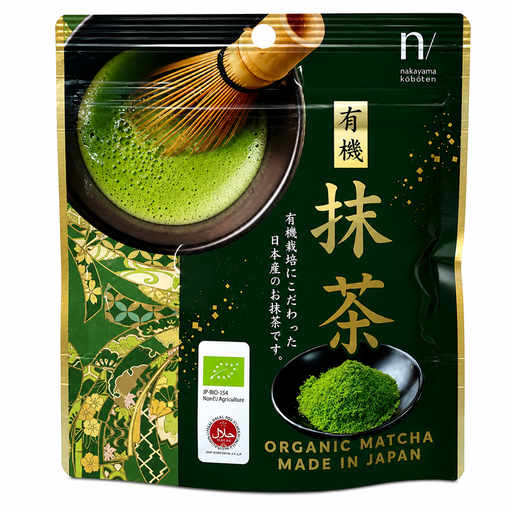
- Why we love it: This organic matcha tea comes from the Fukuoka prefecture, an exceptional terroir. Its shade-grown cultivation gives it a vibrant emerald green colour and incredibly fine aromas. Its key strength? Versatility. It's delicate enough for a traditional tasting but also perfect for more modern recipes.
- Highlights:
- 100% organic certification.
- Rich umami flavour, with slightly sweet notes and very subtle bitterness.
- Ultra-fine texture that dissolves perfectly, ideal for a clump-free matcha latte.
- Who is it for? For connoisseurs seeking a superior quality matcha that is as good for sipping on its own as it is for incorporating into culinary creations or gourmet drinks.
2. Ujinotsuyu Sencha Tea Bags (10 x 2 g)
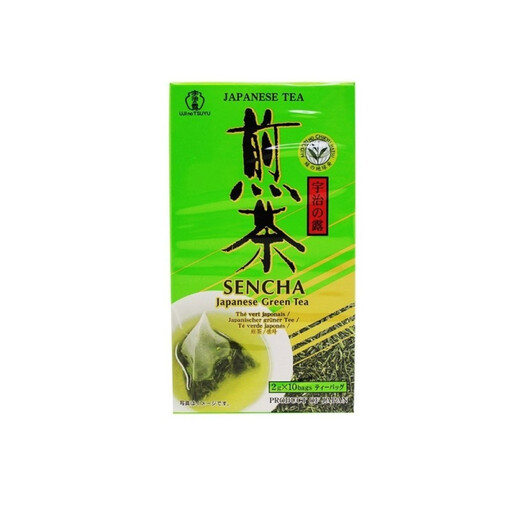
- Why we love it: This option is all about convenience, without compromising on the authentic taste of sencha tea. The individual bags preserve the freshness of the leaves and allow for a quick and easy infusion. It's the ideal companion for the office or for rushed mornings.
- Highlights:
- Ultra-convenient tea bag format.
- Bright and authentic taste of Japanese sencha.
- No added sugars or artificial flavours.
- Who is it for? Ideal for those new to Japanese green tea or for anyone looking for a simple and effective solution for their daily tea break.
3. GARASHA Roasted Hojicha Green Tea (21 g)
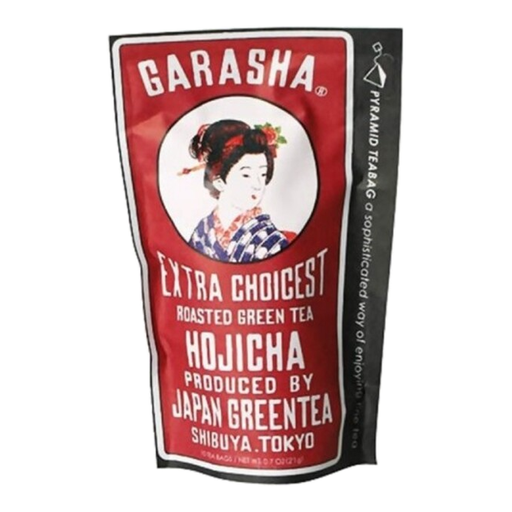
- Why we love it: GARASHA's hojicha tea is a true invitation to gentleness. Its perfectly controlled roasting process gives it an amber liquor and a unique woody aroma. A comforting drink, a world away from other green teas.
- Highlights:
- Very low in caffeine, perfect for any time of day, even in the evening.
- Unique roasted aroma for a smooth taste with no bitterness.
- Provides an immediate sense of relaxation.
- Who is it for? For those sensitive to caffeine, children, and anyone looking for a comforting hot drink with an original taste, far from vegetal notes.
Want to Explore Other Flavours?
Our selection is just a glimpse of the treasures Japan has to offer. If you want to discover other varieties, from grand crus to more niche teas, browse our complete collection.
? Discover our entire OMG Green Tea collection
Frequently Asked Questions
What are the benefits of Japanese green tea?
Green tea is renowned for its richness in antioxidants, particularly catechins. It also contains L-theanine, an amino acid that is said to promote relaxation and concentration. Matcha is especially interesting: since you consume the entire leaf, you get all of its nutrients. This information is not a substitute for medical advice.
How do I make the perfect matcha latte at home?
Preparing a matcha latte is incredibly easy:
- Sift 1 to 2 teaspoons of matcha powder into a bowl to prevent clumps.
- Add about 60 ml of hot water (around 80°C, never boiling) and whisk vigorously in a "W" motion until you achieve a fine foam.
- Heat 180 ml of the milk of your choice (dairy or plant-based).
- Pour the matcha into your cup, then add the hot milk. Sweeten if desired, and enjoy!
Is Japanese green tea high in caffeine?
The caffeine content varies greatly. Matcha contains a significant amount, similar to an espresso, but its effect is often felt as a smoother, more gradual boost thanks to L-theanine. Sencha has a moderate content. If you're looking for a low-caffeine Japanese tea, hojicha tea is the perfect choice: its roasting process eliminates most of the caffeine.


