
Livraison le jour même ou le lendemain

Qualité garantie

Débloquez vos offres de bienvenue: Livraison GRATUITE | Jusqu'à -80 % | 30 jours d'essai gratuits à JoyPlus
Téléchargez l'application
The craze for Japanese drinks shows no signs of slowing down. From the iconic Ramune bottle, a star in manga, to the delicate flavours of matcha, the selection available at an online Japanese grocery store is vast. But be warned: this abundance can quickly become a headache and lead to rookie mistakes. You might end up with a product that disappoints, whether due to a confusing taste, a more complex preparation than expected, or an ingredient list that betrays its promise of '?authenticity?'.
To help you navigate this jungle and avoid disappointment, here are the main pitfalls to avoid.
To find the perfect drink for you, keep these few criteria in mind before you finalise your cart.
The world of Japanese beverages is incredibly rich. To narrow down your search, simply ask yourself on what occasion you plan to drink it.
A close look at the label is essential.
The format has a direct impact on its use and cost-effectiveness.
To help you make your choice, here are a few products we recommend, categorised by profile.
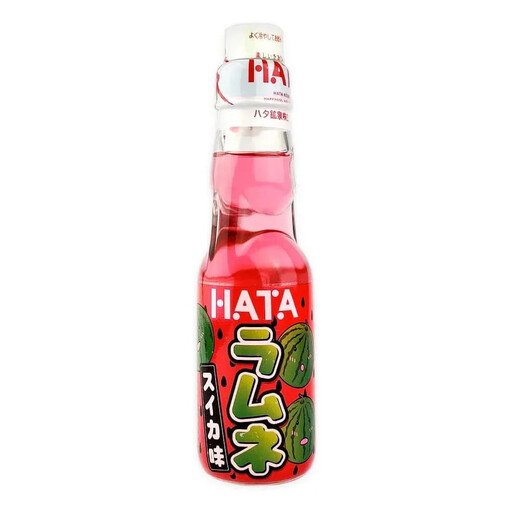
Why we love it : Ideal for an introduction to Japanese drinks with a fun twist. The famous Codd-neck bottle and its glass marble are an attraction in themselves, and the very accessible watermelon flavour is perfectly refreshing.
Ramune turns the "unexpected complexity" trap into its main asset. Its opening is a small ritual that is an integral part of the experience and a great conversation starter.
A one-of-a-kind opening and a fruity flavour that everyone can agree on. The perfect gateway into the world of Japanese sodas.
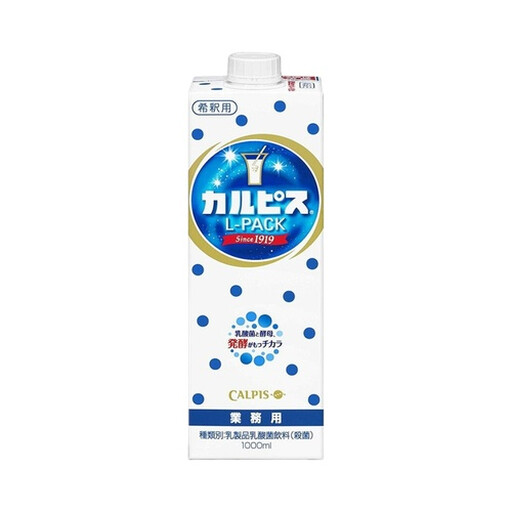
Why we love it : For those who love to control the strength and customise their drinks. This concentrated syrup allows you to prepare a more or less intense Calpis, mix it with water or milk, and even incorporate it into cocktails or desserts.
By clearly stating its status as a concentrate, it turns the trap into an advantage. You know you're buying a versatile and economical product, not a ready-to-drink beverage.
Ultra-economical (1L of syrup makes litres of drink) and a unique, sweet and tangy taste that is fully customisable.
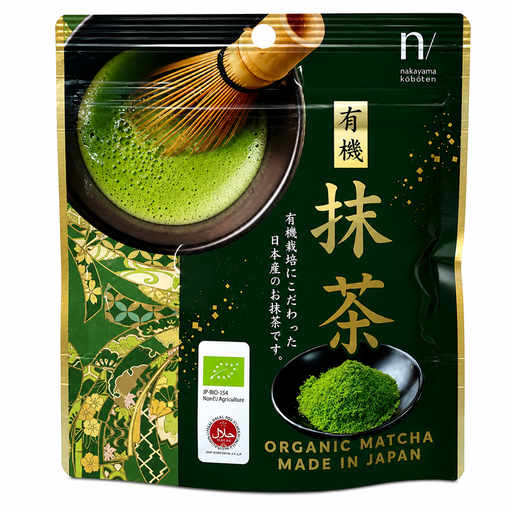
Why we love it : For those who seek authenticity and quality without compromise. This isn't a ready-made drink, but the raw ingredient: a pure organic matcha powder, perfect for tea ceremonies, homemade lattes, or baking.
It avoids the "hidden ingredients" trap by offering a 100% pure product. Zero sugar, powdered milk, or additives. You have complete control over your drink's composition.
Organic quality and maximum versatility. Ideal for preparing custom drinks, light-years away from instant mixes that are often saturated with sugar.
Discover our complete selection of products that meet our quality criteria and current regulations.
Opening it is a small ritual in itself. Remove the plastic film from the cap to release the plunger. Detach the plunger, place it on top of the glass marble that seals the bottle, and press down firmly with a sharp push. The marble will then fall into the neck's indent, releasing the carbonated drink.
A classic sake (like Junmai or Ginjo) is filtered to achieve a perfectly clear appearance. In contrast, a Nigori sake (like Sayuri) is either unfiltered or only coarsely filtered. It therefore retains suspended rice particles, which give it its milky appearance, a creamier texture, and often a sweeter taste. Remember to shake it gently before serving.
Absolutely. Many bottled green teas, like those from the POKKA brand, are simple infusions with no added sugar. It's a very popular drink in Japan for healthy, everyday hydration. To spot them, look for "unsweetened" or "zero sugar" labels and check that the "carbohydrates of which sugars" line on the nutrition facts table shows 0?g.