
Livraison le jour même ou le lendemain

Qualité garantie

Débloquez vos offres de bienvenue: Livraison GRATUITE | Jusqu'à -80 % | 30 jours d'essai gratuits à JoyPlus
Téléchargez l'application
Want to bring the authentic flavours of Japan to your plate? It's not so simple when your local supermarket only stocks a basic soy sauce. Which is the right soy sauce? What vinegar should you choose to finally perfect your sushi? Faced with dozens of bottles with indecipherable labels, it's easy to feel lost.
As a product recommendation expert at Joybuy, my mission is to help you make sense of it all. This guide is designed to walk you through choosing your basic Japanese condiments. The goal: to give you the keys to buying authentic Japanese products suited to your recipes, without ever leaving your kitchen.
Before you fill your cart, here are a few tips to keep in mind to make the right choice at an online Japanese grocery store.
The key to a good condiment is its ingredient list. For a Japanese soy sauce (shoyu), for example, look for those that are naturally brewed (water, soybeans, wheat, salt). This traditional method develops a rich and complex umami flavour, light-years away from chemically produced industrial sauces. Likewise, for sushi ingredients, a good seasoned vinegar comes down to a perfect balance of vinegar, sugar, and salt.
Be careful, not all condiments are interchangeable. A thick and sweet tonkatsu sauce is designed to coat fried dishes, while a light and tangy yuzu ponzu sauce will elevate a salad, grilled fish, or gyoza. Knowing your sauce's purpose will help you avoid flavour missteps and ensure the authenticity of your dishes.
Brands like Otafuku or Kikkoman are undisputed leaders, both in Japan and internationally. Choosing them means you're playing it safe: consistent quality and respect for traditional recipes. This reliability appeals to professional chefs and home cooks alike.
Let's get practical! Here are four cornerstone products to get you started and help you master a wide range of authentic Japanese dishes.
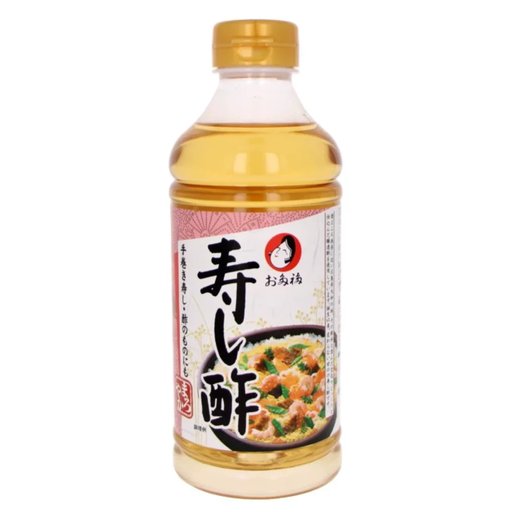
Why we chose it Because this sushi vinegar is already seasoned! It contains the perfect ratio of rice vinegar, sugar, and salt for foolproof sushi rice. No more guesswork: the result is perfect every time.
Highlights:
Who is it for? It's the perfect partner for beginners, as well as for anyone who wants to make quick sushi, maki, or chirashi without sacrificing taste.
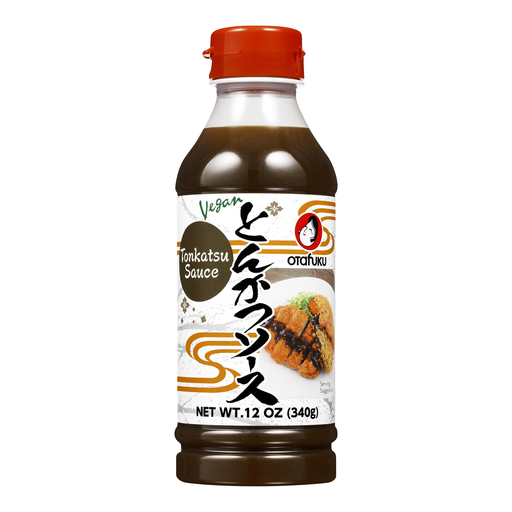
Why we chose itTonkatsu sauce is THE go-to sauce for Japanese fried foods. Otafuku's version is a benchmark, famous for its syrupy texture and complex flavour, achieved through a blend of vegetables, fruits (dates, apples…), and spices.
Highlights:
Who is it for? A must-have for fans of tonkatsu, chicken katsu, or korokke (croquettes). Try it as a ketchup substitute—you won't regret it!
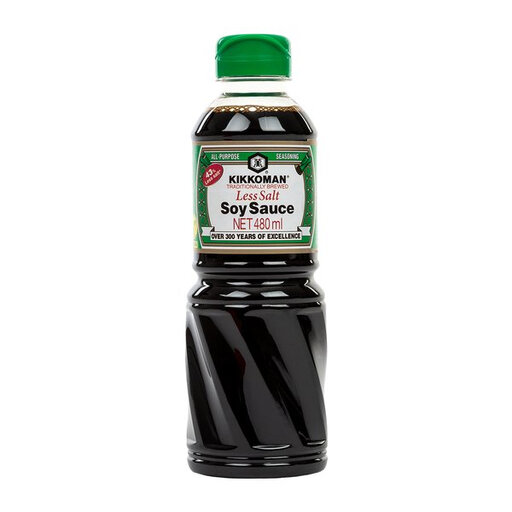
Why we chose itKikkoman, the world leader in soy sauce, needs no introduction. This less-sodium version is 100% naturally brewed, just like the original. The result: you get all the umami depth of classic Kikkoman, with less salt.
Highlights:
Who is it for? This Kikkoman less-sodium product is for those watching their sodium intake, for families, and for anyone looking for an excellent everyday soy sauce.
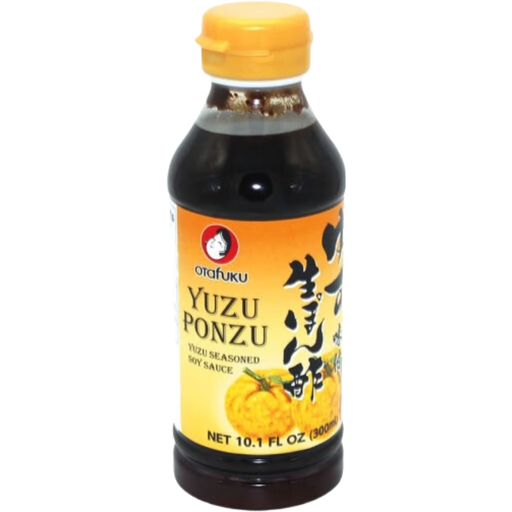
Why we chose it Ponzu is a soy sauce brightened with citrus juice. In this version, yuzu, that famously fragrant Japanese citrus, takes centre stage. It brings unique tangy and floral notes that elevate any dish.
Highlights:
Who is it for? For curious cooks who want to add a touch of zest and elegance to their plates. It's the ideal alternative to classic soy sauce for those who love citrus flavours.
This selection covers the basics, but the world of Japanese cuisine is endless. From chili oils (rayu) to miso pastes and furikake, feel free to explore our full catalogue to discover other treasures.
? Discover our collection of products in PET bottles
1. What's the difference between Japanese and Chinese soy sauce? Japanese soy sauce (shoyu) is brewed with wheat, which gives it a sweeter, more complex flavour. The Chinese version, which contains little to no wheat, is generally saltier, denser, and more direct in taste.
2. How should I store Japanese condiments after opening? Rule of thumb: once opened, most of these condiments should be stored in the refrigerator. This is the best way to preserve their freshness and aromas. When in doubt, always follow the instructions on the label.
3. Can sushi vinegar be used for things other than sushi? Of course! Its sweet-and-sour balance is perfect for creating a quick Asian dressing. It's also excellent for preparing marinated vegetable salads (the famous sunomono) or for deglazing a pan after cooking fish or white meat.