
Livraison le jour même ou le lendemain

Qualité garantie

Débloquez vos offres de bienvenue: Livraison GRATUITE | Jusqu'à -80 % | 30 jours d'essai gratuits à JoyPlus
Téléchargez l'application
Do you dream of the unmistakable crispiness of shrimp tempura or the juicy tenderness of chicken karaage, only to end up with heavy, disappointing results at home? Achieving that light, airy texture—the true hallmark of Japanese fried food—is surprisingly simple. The secret? It often comes down to choosing the right mix.
This guide is here to help you navigate the different Japanese coating options available. We'll break down the differences between each product so you can choose the one that will elevate your dish, whether you're following an easy tempura recipe or making homemade karaage.
Before you get started, let's review a few key criteria that set the various powders and mixes apart.
The first distinction to make is between tempura and karaage.
Frying starch is a cornerstone of Asian cooking for achieving a crispy texture without being hard. While potato starch (katakuriko) is the traditional ingredient for karaage, others like tapioca starch are just as effective. Their advantage? They absorb less oil than wheat flour, resulting in a lighter fry that stays crispy much longer. Keeping a jar of pure starch in your pantry is an excellent idea for multiple uses.
Are you a beginner or short on time? Ready-to-use mixes are the ultimate convenient solution. They already contain the ideal ratio of flours, starches, and sometimes even seasonings. No more guesswork! The results are consistent every time, allowing you to focus on what matters most: the cooking process and the freshness of your ingredients.
Here are our top product picks, each tailored to a specific need for mastering Japanese fried dishes at home.
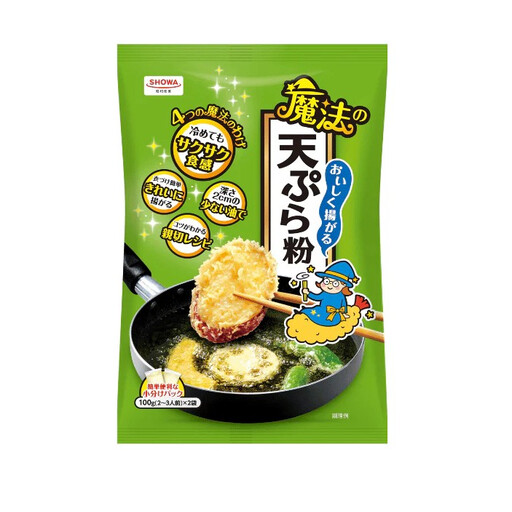
Why we love it: This tempura powder from Showa Sangyo is designed to radically simplify tempura preparation without ever sacrificing quality. Its unique formula guarantees a fry that stays crispy, even when cold. Another major advantage is that it requires only a small amount of oil (about 2 cm deep), making frying much less daunting and more accessible.
Key features:
Who is it for? For cooks of all levels who want restaurant-quality results with minimal effort and equipment. It's the perfect choice for getting started with an easy tempura recipe.
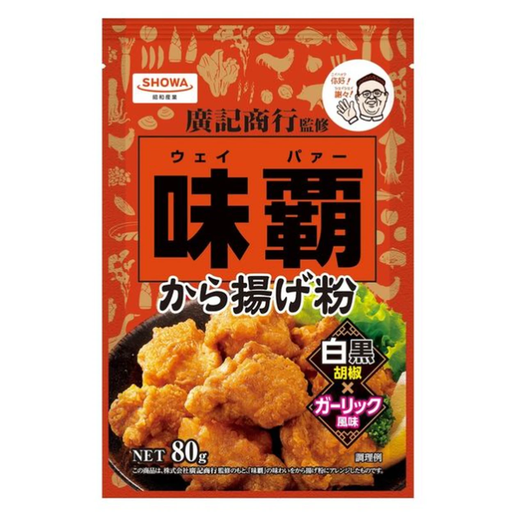
Why we love it: This karaage mix is an all-in-one that combines the coating and the seasoning. It's specially formulated to replicate the authentic taste of Japanese fried chicken: a crispy crust on the outside and juicy meat on the inside. Its blend of spices (garlic, soy sauce powder, black and white peppers) delivers a rich and perfectly balanced flavour.
Key features:
Who is it for? For fried chicken fans who want to make homemade karaage in a flash, without juggling a dozen different ingredients.
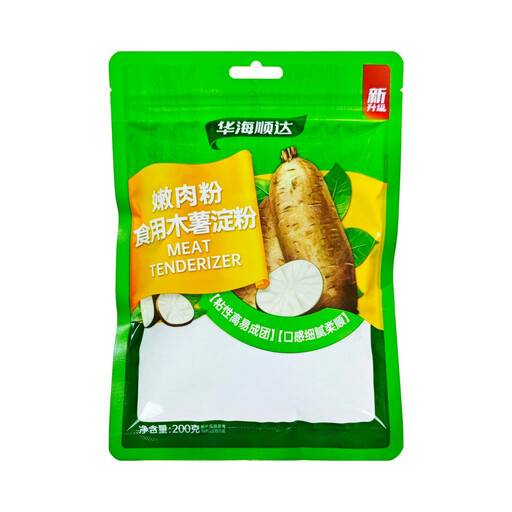
Why we love it: This is pure tapioca starch. It's not a seasoned mix, but an incredibly versatile base ingredient and one of the secrets of Japanese and Asian frying. Used as a frying starch, it creates an exceptionally light and crispy crust. It also works to tenderise meats before cooking or to thicken sauces.
Key features:
Who is it for? For cooks who love to experiment and master every aspect of their recipes. It's a pantry essential for anyone interested in Asian cuisine, far beyond just frying.
Our selection highlights a few star products, but the world of Asian culinary aids is vast. If you're looking for other starches, specific flours, or unique seasonings for your creations, feel free to explore our dedicated section.
Discover our full range of Powders
1. What's the difference between panko breading and tempura batter? Panko is a type of Japanese breadcrumb made from crustless bread, which gives it its large, light flakes. It's used dry to coat ingredients (like tonkatsu pork) to achieve a very crunchy texture. Tempura powder, on the other hand, is mixed with water to form a liquid batter. You dip the food into it before frying to create a puffed, airy shell.
2. Can you make karaage without a dedicated mix? Of course. The traditional recipe involves marinating the chicken (in soy sauce, sake, ginger, and garlic), then coating it in potato starch (katakuriko) or a starch-flour mixture before frying. A karaage mix like Weipa's significantly simplifies the process by combining the coating and seasonings into a single step.
3. How do you get tempura that's truly crispy and not greasy? The secret is temperature (and thermal shock!). Use ice-cold water to prepare the batter and don't overmix it; a few lumps are actually desirable. Make sure your frying oil is at the right temperature (between 170 and 180°C / 340 and 355°F). Oil that isn't hot enough will make the food greasy, while oil that's too hot will burn the outside before the inside is cooked.