
Livraison le jour même ou le lendemain

Qualité garantie

Débloquez vos offres de bienvenue: Livraison GRATUITE | Jusqu'à -80 % | 30 jours d'essai gratuits à JoyPlus
Téléchargez l'application
Japanese pastry is fascinating for its delicacy, unique textures, and subtle flavours. But with the maze of online offers, it's hard to navigate without being able to taste-test. Will this cake really be as soft as it looks? What's the difference between a Baumkuchen and a Castella?
Don't panic! This guide is here to shed some light and help you find the Japanese cake that will satisfy all your cravings, whether for a nostalgic snack, an extraordinary dessert, or simply to satisfy your curiosity.
Before diving into our selection, let's review a few essential criteria to guide you and demystify the world of Japanese cakes.
In Japanese pastry, texture is king. Two great classics perfectly illustrate this philosophy:
Manufacturers are increasingly taking specific dietary needs into account. If you have restrictions, your first step should be to scrutinize the ingredient list.
For those looking for a halal Japanese cake, good news: some brands offer certified products. This information is always clearly indicated on the packaging or product page, ensuring full compliance. Also, be sure to check for common allergens (wheat, eggs, milk, soy).
The intended use will naturally guide your choice.
Here is a selection of cakes that perfectly illustrate the diversity and quality of Japanese pastry available online.
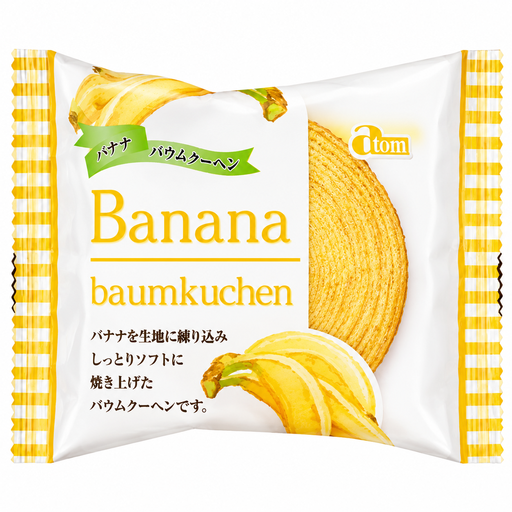
What makes it unique: This is the ideal introduction to Japanese baumkuchen. It stands out with its subtle and natural banana flavour, which pairs perfectly with the rich, moist texture of its many layers.
Its strengths:
Who is it for?: Those who want to try Baumkuchen with a fruity twist and who appreciate on-the-go formats.
What makes it unique: The key advantage of this range is its Halal certification, which meets a real demand. The Taiyo brand offers this classic in two essential flavours.
Its strengths:
Who is it for?: For anyone looking for a certified halal Japanese cake without compromising on taste and texture.
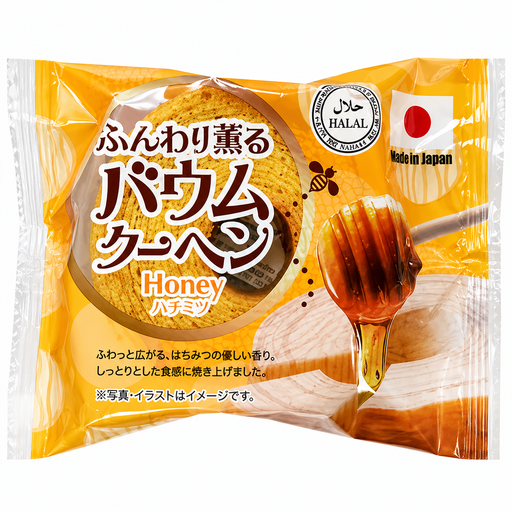
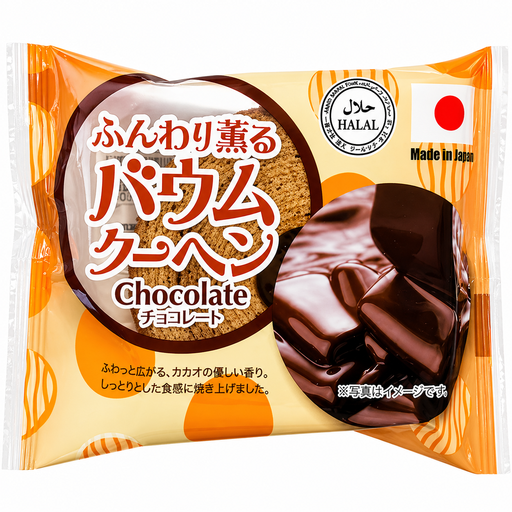
Warning: These products contain eggs, wheat, milk, and soy. The production facility also handles almonds and bananas. Always check the packaging.
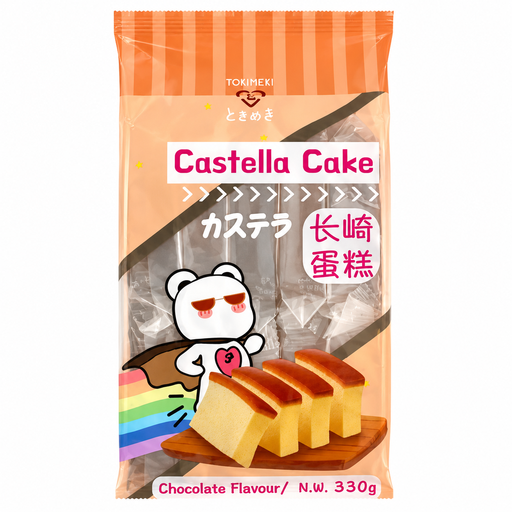
What makes it unique: This is the quintessential castella cake! Its texture is its absolute highlight: airy, almost cotton-like, and perfectly moist. The chocolate flavour is present yet subtle, making for a balanced dessert that never overwhelms the palate.
Its strengths:
Who is it for?: For fans of light and spongy textures, and for anyone who wants to offer a shareable pastry that's a change from the usual classics.
Has our selection whetted your appetite, but you want to explore further? From filled biscuits to melt-in-your-mouth mochi, the world of Asian sweets is endless.
? Discover our complete collection of cakes and cookies
It's all in the texture and preparation! Japanese Baumkuchen is dense, moist, and made of multiple thin layers baked one after another. Castella, on the other hand, is an ultra-light, airy, and spongy sponge cake made without butter or oil.
To buy an authentic Japanese cake, the easiest way is to turn to platforms specializing in Asian products, like Joybuy. They offer a selection of products imported from Japan or made according to traditional recipes, for a taste experience that's as close to the original as possible.
Yes! While it's not yet the standard, you can increasingly find halal Japanese cakes. Brands like Taiyo, which we feature, offer Baumkuchen with official certification. The best practice: always look for the certification logo on the packaging or product page.