
Livraison le jour même ou le lendemain

Qualité garantie

Débloquez vos offres de bienvenue: Livraison GRATUITE | Jusqu'à -80 % | 30 jours d'essai gratuits à JoyPlus
Téléchargez l'application
By our product experts
Japanese patisserie is a world of delicate flavours and surprising textures that is winning over more and more fans. But here's the catch: finding an authentic Japanese cake online can sometimes feel like an uphill battle. Between the hard-to-pronounce names, the multitude of flavours, and the headache of ensuring quality, it's easy to get lost.
Our mission?? To guide you through this jungle. We've sifted through the online offerings to put together a buyer's guide and a selection of gems, chosen for their authenticity and the quality of their ingredients. Follow our guide to make the right choice and bring a true piece of Japan to your table.
Before you click "Add to Cart," keep a few simple criteria in mind to ensure you find the cake that will satisfy your cravings.
The term "Japanese cake" actually covers several specialities. The two undisputed stars are undoubtedly the Baumkuchen and the Castella.
In short, the first choice to make is about texture: dense and rich, or light and airy??
A good Japanese cake starts with a short, high-quality ingredient list. Take a minute to read it, especially if you have allergies or dietary restrictions.
For some, certifications are an essential criterion. A halal cake, for example, must be certified by a recognised body. This information should be clearly visible on the packaging or the product page.
Japanese cakes come in different formats, so you can choose based on the occasion?:
Here are the products that caught our eye, for their authenticity and their popularity among connoisseurs.
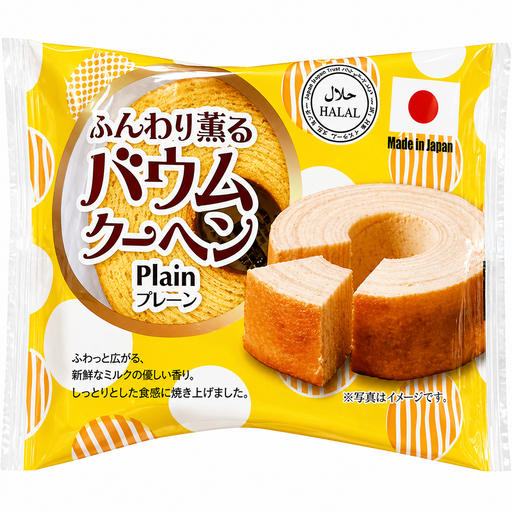
What sets it apart Its main advantage?? Its Halal certification, which is still rare for this type of pastry. This opens up the world of Japanese delicacies to a wider audience, without compromising on the traditional recipe: you still get the melt-in-your-mouth texture and delicately sweet taste of a classic Baumkuchen.
Key Strengths
Who is it for? This is the ideal choice for anyone looking for an excellent halal cake, or simply for those who want to discover Baumkuchen in its purest, most traditional form.
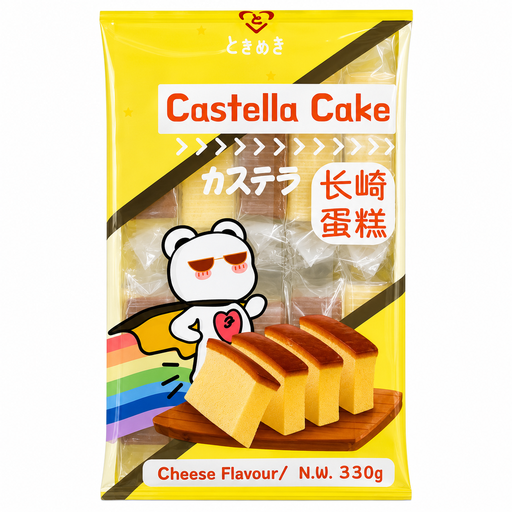
What sets it apart Tokimeki dares to be modern by revisiting the traditional Japanese Castella with a cheese flavour. Rest assured, the cheese note (from 0.3% cheese powder) is very subtle. It adds just the right amount of saltiness to balance the sugar and create a surprising equilibrium. A bold reinterpretation of the classic sponge cake.
Key Strengths
Who is it for? For curious foodies who are familiar with classic Castella and want to explore new variations. It's also an excellent way to surprise your guests with a dessert that's out of the ordinary.
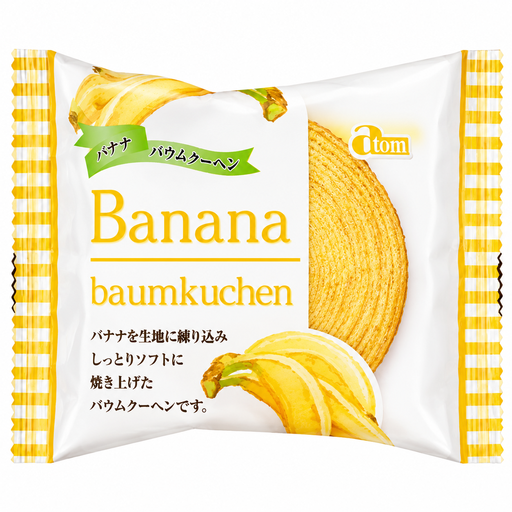
What sets it apart This Baumkuchen comes in an individual portion and features a flavour that's very popular in Japan: banana. Its aroma, while distinct, remains natural and avoids the trap of artificial flavouring. The individual packaging preserves its freshness and makes it the ultimate on-the-go Japanese snack.
Key Strengths
Who is it for? For anyone looking for a quick and tasty treat. It's perfect for a coffee break, a snack for kids (and adults!), or to satisfy a small hunger with a touch of originality.
The world of Japanese patisserie is incredibly rich. If our selection has made your mouth water, you should know that iconic flavours like matcha tea, yuzu, and strawberry are just waiting to be discovered.
To discover a wider range of Japanese cakes, biscuits, and other sweets, take a look at our dedicated section.
Discover all our Japanese pastries
A Baumkuchen is a cake baked layer by layer on a spit, which gives it its dense, moist texture and characteristic rings. A Castella, in contrast, is a very light and airy sponge cake baked in a mould, renowned for its incredibly supple crumb.
To be sure you're buying an authentic Japanese cake online, it's best to turn to e-commerce sites specialising in Asian products. Platforms like Joybuy, for example, offer a selection of cakes imported directly from Japan and delivered to your door.
Yes, and the selection is growing. Some brands, like Taiyo with its Baumkuchen, now offer Japanese cakes with official Halal certification. To be absolutely sure, the rule is simple: always check for the logo of the certifying body on the packaging or the product page.