
Livraison le jour même ou le lendemain

Qualité garantie

Débloquez vos offres de bienvenue: Livraison GRATUITE | Jusqu'à -80 % | 30 jours d'essai gratuits à JoyPlus
Téléchargez l'application
Japanese and American sweets are loved for their quirky shapes, surprising textures, and fruity or tangy flavours. But a colourful wrapper doesn’t always guarantee a successful purchase. Between small packets that turn out to be less generous than expected, recipes containing unexpected allergens, and large formats that are tricky to store, a few nasty surprises can quickly send the bill soaring.
Before you choose Japanese gummies, jelly sweets or treats for a party, there are three points worth checking every time.
A brightly coloured packet or individual wrapping can give the impression of abundance. Yet a 40g or 60g bag won’t necessarily be enough for a party or a group tasting. On the flip side, a case of 200 pieces is likely to be far too much for personal consumption.
Always compare the net weight, the number of pieces and, if possible, the price per kilogram. For a birthday, a piñata or a reception, larger packs — such as lollipops in bulk or jelly sticks — are generally easier to hand out.
Confectionery can contain gelatine, milk, soya, wheat or traces of other allergens. Gelatine can also make some products unsuitable for a vegetarian diet. With imported recipes, it’s best to check the product description and the labelling on the packet you receive.
This precaution matters particularly for jelly sweets, sour marshmallows and chocolate-coated confectionery. Some formats are also unsuitable for children under three years old, especially when they pose a risk due to their size or texture.
Mentions like “natural”, “fruity” or “enriched” don’t necessarily tell you the proportion of juice or the actual nutritional value of the product. An apple, strawberry or peach flavour may come from concentrated juice, flavourings, or a combination of the two.
To compare products on a solid basis, consult the ingredients list, the nutritional values per 100g and the storage conditions. Sweets are still a treat: a low fat content doesn’t mean they are low in sugar.
For individual tasting, a 40g to 65g bag lets you try a flavour without opening multiple packets. Formats of 120g to 180g are better suited to sharing during an evening in or a film night.
For regular or bulk consumption, also check the closure system. A resealable box or airtight bag helps prevent drying out and makes it easier to store in a cool cupboard.
Fans of sour sweets need to tell the difference between a mild tang and an especially intense coating. Filled gummies, popping sweets and sour marshmallows offer completely different experiences.
Choose product descriptions that clearly state the net weight, ingredients, allergens, best-before date and storage temperature. Some products, such as raspberries coated in chocolate, must be stored at –18°C or below. They therefore don’t go in the same compartment as lollipops or jelly sweets.
For consumption in the UK, also check, where the information is available, for the presence of a responsible person established in the European Union. This detail makes it easier to identify the product and to comply with the obligations applicable to foodstuffs.
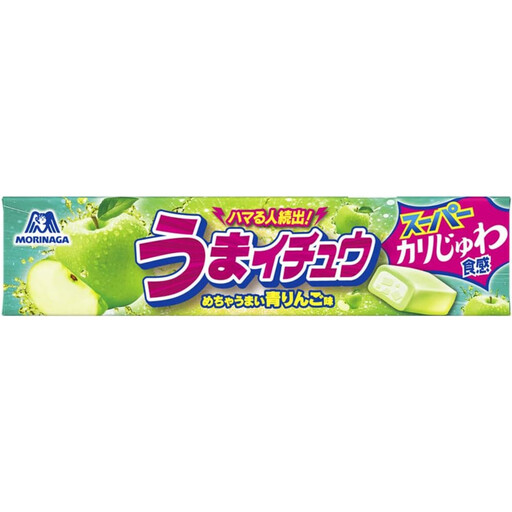
Why this choice suits this profile: With its 12 tablets, this format lets you try a Japanese green apple sweet without investing in a large case. It’s ideal for solo tasting or occasional sharing.
The weight and number of pieces are stated, so you can assess the quantity before ordering. The presence of soya is also listed in the product information.
Green apple flavour, 12 tablets and energy value stated per piece. Store in a cool, dry place.
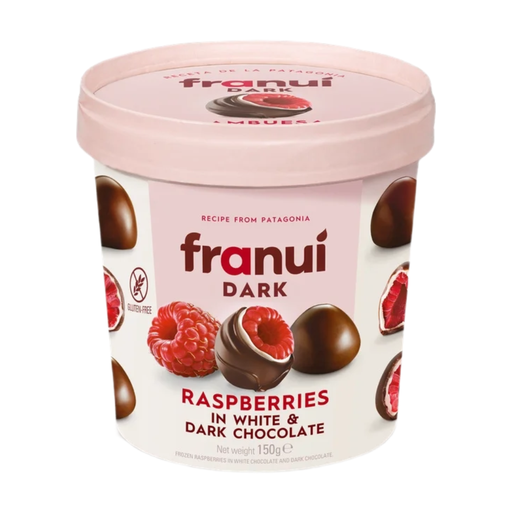
Why this choice suits this profile: This confectionery combines raspberries with two layers of chocolate for a more refined treat, perfect for gifting or serving with an original dessert.
Storage at –18°C is clearly stated. This means you won’t order the product without having made room in the freezer.
150g, 40% raspberries according to the product description, with dark chocolate and white chocolate. Contains milk and soya.
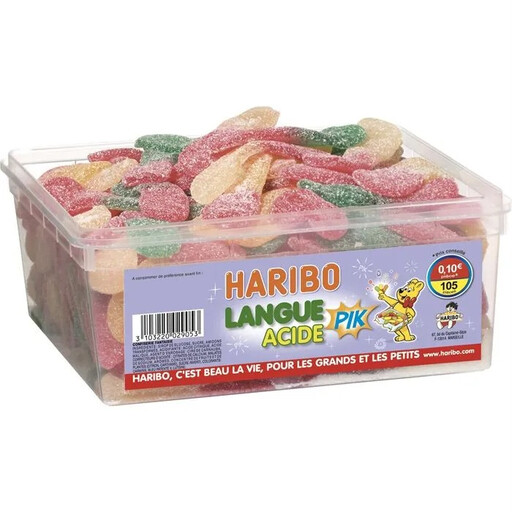
Why this choice suits this profile: With 200 sticks, this case is designed for parties, party bags, piñatas and events where each guest takes home their own portion.
The number of pieces and total weight of 1,174g are specified. The resealable box makes it easier to store the sweets after opening.
Strawberry-filled sticks, sour coating, no declared allergens and manufactured in France.
We’ve put together a comprehensive, real-time updated selection of products that meet these exacting criteria, in line with European safety regulations.
For a party, go for individual formats, lollipops and easy-to-hand-out bags. Large packs, such as filled sticks, are well suited to piñatas and party bags. However, do check the recommended age, the possible presence of gelatine and any allergens before serving them.
Keep them in a cool, dry place away from direct light. Seal the packets carefully or transfer the sweets to an airtight container. Avoid warm, humid spots, which can alter their texture and make them stick together.
Not necessarily. The price depends mainly on the format, net weight, transport and number of pieces. A small Japanese bag can work out more expensive per kilogram than a family assortment, while a case intended for an event can reduce the price per unit. Compare the cost by weight and intended use, rather than relying on the displayed price alone.