Households that buy jam regularly
You make several breakfasts with the same recipe. Comparing jar weights and product names can help you choose an amount your household will actually use.


For your regular toast, start by comparing jams of the same type, then choose a jar size that suits how often you eat it. If the ingredients matter most to you, check the fruit content, sugars per 100 g and the exact product name. Classic jam, a reduced-sugar recipe and a fruit spread with no added sugars may not meet the same needs.
You make several breakfasts with the same recipe. Comparing jar weights and product names can help you choose an amount your household will actually use.
You’re deciding between a classic, reduced-sugar or no-added-sugar recipe. The ingredients list, fruit content and nutritional values per 100 g let you compare these products without relying on the packaging alone.
You rarely eat jam or like to switch between flavours. In that case, consider the jar size alongside the storage instructions and guidance on how soon to use it after opening, as these vary by product.
Start by deciding whether you’re mainly looking for an amount that suits regular toast, a particular recipe or a jar you can finish after opening.
| What to compare | What to check | Who is it for? |
|---|---|---|
| Compare jar sizes | Check the net weight and product name before comparing two jar sizes. Classic jam and a fruit spread aren’t necessarily equivalent recipes. | If I make toast often, I want to compare jars of the same type and choose an amount that suits my household. Around 40% of consumers are said to put this comparison first. |
| Sugars and ingredients | Read the ingredients, the stated fruit content and the “sugars” line in the nutritional information per 100 g. | When I’m choosing between a classic recipe and another type, I want to know what each contains rather than rely on a claim on the front of the pack. This is said to be the top priority for around 30% of consumers. |
| Jar size and storage | Check the net weight and the storage instructions for the jar after opening, including whether it needs to be refrigerated and how soon it should be used. | If I only eat jam now and then, I prefer a jar I can finish within the time stated on the label. Around 30% of consumers are said to make this their top priority. |
Two jars of strawberry jam may contain different amounts and use different recipes. You can’t tell from the packaging alone how many breakfasts each will cover in your household.
Check the net weight, then compare the product names and ingredients of the options you’re considering.
A family-sized jar is best suited to households where several people regularly eat the same recipe. The product information for Auchan extra strawberry jam in a 730 g jar says to refrigerate it after opening and use it quickly.
Choose a jar size to suit how often you eat toast, and follow the instructions on the jar you buy.
If the jar stays open longer than the stated period, some of its contents may go to waste.
These claims don’t replace the product name or checking the sugars per 100 g. Recipes may also differ in their ingredients and fruit content.
Compare the nutritional values on the same per-100 g basis and read the ingredients list for each product.
Carrefour says some offers depend on the store and the collection or delivery option. ALDI also lists products whose availability depends on the store and the sales period.
Before planning your shop around a particular jar, check that it’s available at your local store or through your local online shopping service.
These names give you a useful starting point for comparing jar sizes and recipes. Always check the product information and label for the specific item.
Its range lets you compare own-brand jams, reduced-sugar options, larger jars and well-known brands.
A retailer worth checking to compare extra jams in different sizes and other recipes in its range.
A brand to consider if you’re looking for a particular recipe or texture, rather than choosing based on jar size alone.
A retailer to check if you’re interested in an extra strawberry jam from its range.
A retailer to include in your comparison if you already use E.Leclerc’s online ordering services.
These jars suit a range of uses on toast: strawberry or raspberry jam, a strawberry spread with no added sugars, white nectarine spread and a larger jar. Compare the product names, quantities and storage instructions to find the right option for you.
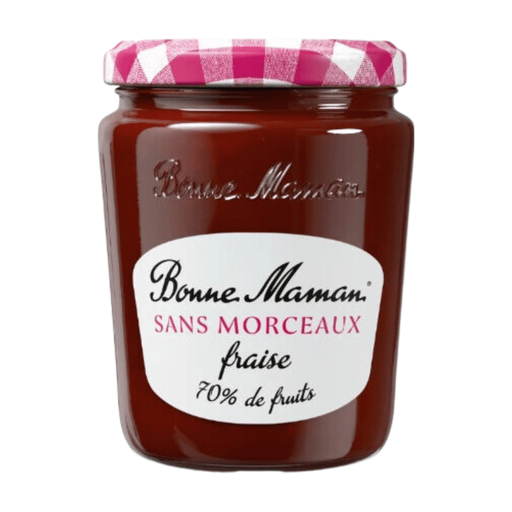 Image unavailable
For toast if you prefer a smooth texture without seeds.
310 g jar. Check the label for storage instructions after opening.
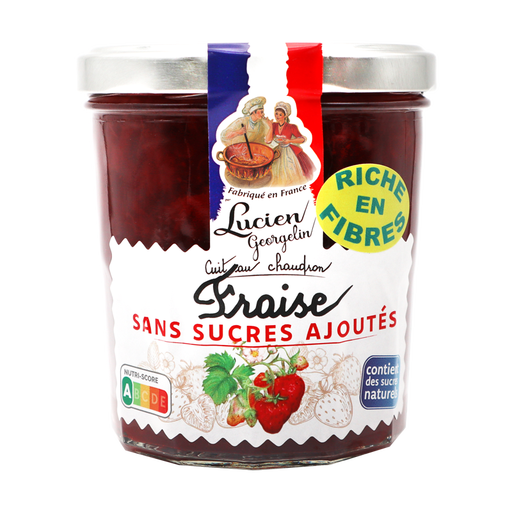 Image unavailable
Compare this spread with no added sugars with other options for toast.
320 g jar. Check the ingredients and nutritional information on the packaging before comparing products.
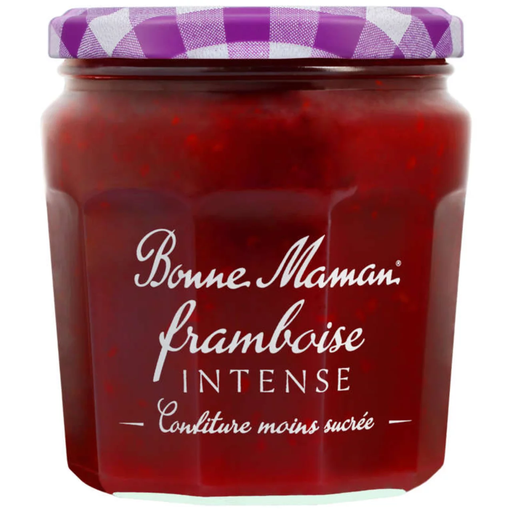 Image unavailable
For raspberry toast instead of strawberry.
335 g jar. If you’re comparing the sugar content of different recipes, use the nutritional values per 100 g rather than a claim on the front of the pack.
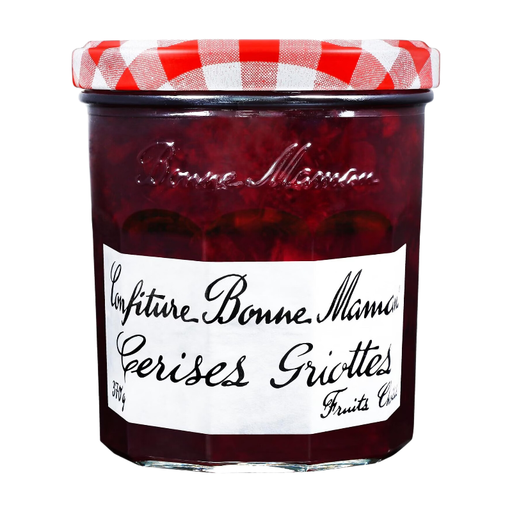 Image unavailable
For a household that regularly enjoys the same jam at breakfast.
Large 750 g jar. Before choosing this size, check that you’ll be able to follow the storage instructions after opening.
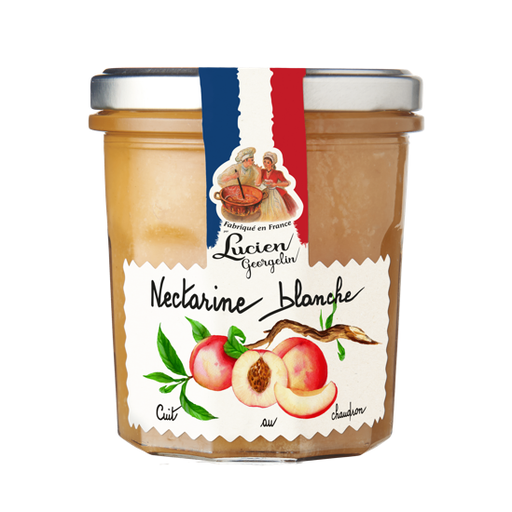 Image unavailable
For a change of fruit on toast or in baking.
320 g jar. This is a fruit spread, so check its product name and ingredients if you’re comparing it with jam.
Start with the product name, ingredients, net quantity and nutritional values per 100 g. For jam sold in France, the Directorate-General for Competition Policy, Consumer Affairs and Fraud Control also advises checking the information about fruit and sugars. Finally, read the storage instructions for the product you choose.
No. Don’t assume these product names refer to the same recipe. Check the exact product name, then compare its ingredients and nutritional values with those of the other jar. The Directorate-General for Competition Policy, Consumer Affairs and Fraud Control notes that the names used for jams correspond to precise definitions.
No. Choose according to the ingredients you’re looking for, and don’t assume the total sugar content from the “reduced sugar” claim alone. Compare the “sugars” figure per 100 g, the ingredients and the product names of the jars you’re considering.
Follow the instructions on the jar you buy, as they vary by product. The product information for Auchan extra strawberry jam in a 730 g jar says to refrigerate it after opening and use it quickly; the information for Bonne Maman extra strawberry jam in a 320 g jar says it can be kept in the fridge for up to three weeks after opening. These instructions don’t apply to all jams.