Italian cuisine is, above all, about respect for the ingredients. And at the heart of its most iconic recipes lies a star ingredient: the tomato. But once you're in the canned goods aisle, doubt creeps in. Whole peeled tomatoes (pelati), diced pulp (polpa), puréed sauce (passata), pre-made sauces… It's hard to know which can to choose.
Don't panic! This guide is here to help you decipher the labels and choose the ideal tomato base, whether it's for a quick weeknight sauce or a ragù that will simmer for hours.
By the Joybuy Editorial Team
How to Choose the Right Italian Tomato Sauce
A few key criteria are all you need to make the right choice. The secret is to match the product to your recipe and the amount of time you have.
1. Texture: Whole, Diced, or Pre-Made?
The form of the tomato in the can is crucial. It will not only dictate the texture of your dish but also influence the cooking time.
- Peeled Tomatoes (pelati): These are whole tomatoes, often the San Marzano variety, simply packed in their own juice. They are unbeatable for slow-cooked sauces like ragù. Their main advantage: you have complete control over the final texture, crushing them by hand or with a fork to your liking.
- Tomato Pulp (polpa di pomodoro): This consists of finely diced tomatoes. Polpa is the perfect compromise: it cooks much faster than whole tomatoes but retains a very pleasant texture. It's the most versatile option, ideal for a pizza sauce base or a quick pasta dish.
- Ready-to-Use Sauce: For lazy evenings or quick lunches, a good pre-made and seasoned sauce can save the day. There are endless varieties, like pasta sauce with parmesan, which only needs to be heated for a few minutes.
2. The Use Case: For Pizza, Pasta, or a Simmered Dish?
Let your recipe be your guide!
- For a pizza base: You need a thick texture that won't make the dough soggy. A dense polpa or diced tomatoes (concassées), carefully drained, are perfect.
- For pasta: It all depends on the sauce! A traditional Arrabbiata or Amatriciana is made with Italian peeled tomatoes. For a quick sauce, polpa or a quality store-bought sauce will do the job perfectly.
- For simmered dishes (stews, osso buco, etc.): Whole peeled tomatoes reign supreme here. Their slow cooking allows the flavours to concentrate and the tomatoes to become tender and melt-in-your-mouth.
3. The Ingredient List: Simplicity is Key
A good can of tomatoes doesn't need any frills. The golden rule: the shorter the ingredient list, the better. Ideally, it should only contain tomatoes, tomato juice, and possibly a touch of salt or an acidity regulator (citric acid). The "100% Italian tomatoes" label is a mark of quality and authenticity—a good sign for any brand that commits to it.
Recommended Tomato Bases and Sauces
To help you make your choice, here are three products that perfectly illustrate the diversity of what's available, each meeting a specific culinary need.
LA MOLISANA 100% Italian "Pelati" Peeled Tomatoes 400 g
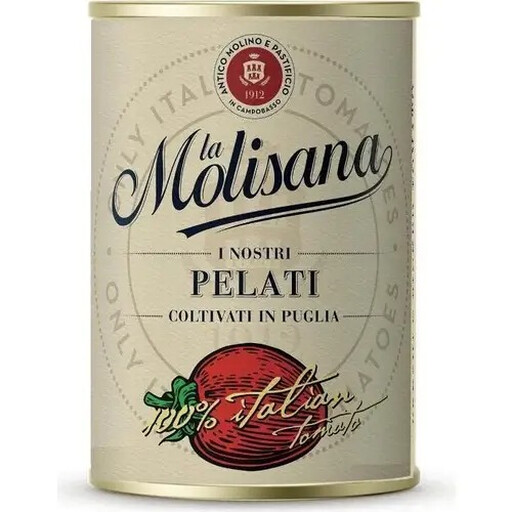
- The Promise: Pure authenticity. These whole Italian tomatoes, simply peeled and packed in their juice, are a return to basics. Their fresh flavour and just the right amount of acidity make them the perfect blank canvas for all your culinary creations.
- Key Strengths:
- A minimalist composition: tomatoes, tomato juice, and that's it.
- The versatility of an ideal base for slow-simmering sauces (stews, soups...).
- Complete control over the texture, from rustic chunks to a fine purée.
- Who is it for? For purists and lovers of homemade food who want to control their recipe from start to finish, from crushing the tomatoes to the final seasoning.
Mutti Pasta Sauce with Parmigiano Reggiano 400 g
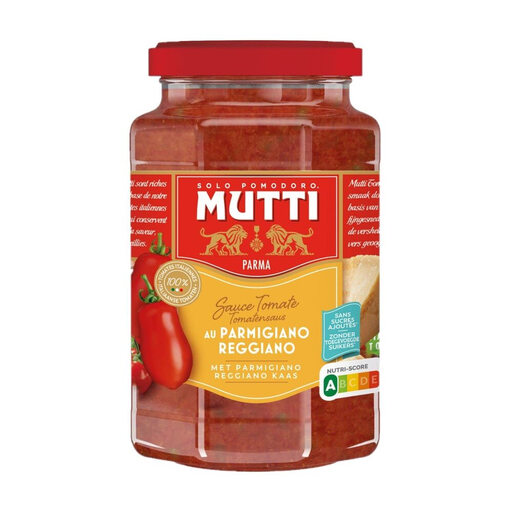
- The Promise: The gourmet solution for busy days. This sauce combines the convenience of a ready-to-use product with high-quality ingredients. Made with 80% Italian tomatoes and real Parmigiano Reggiano PDO, it delivers rich flavour and instant creaminess.
- Key Strengths:
- Ready in 2 minutes: just heat and serve.
- An intense and comforting flavour thanks to the PDO cheese.
- A smooth, coating texture, perfect for generously covering pasta.
- Who is it for? For anyone who wants a delicious pasta dish during the week without sacrificing quality for speed. It's the backup pasta sauce with parmesan that performs like a premium product.
LA MOLISANA "Cubettata" Diced Tomato Pulp 400 g
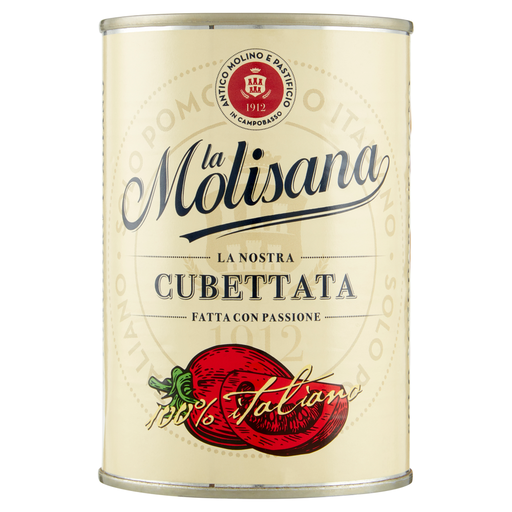
- The Promise: The Swiss army knife of your pantry. This classic polpa di pomodoro, made from 100% Italian diced tomatoes, is your ally for everyday cooking. Its fresh, pulpy texture cooks in the blink of an eye.
- Key Strengths:
- A diced texture that adds body and bite to quick sauces.
- A perfectly preserved fresh tomato flavour.
- Perfect as a pizza sauce base, on bruschetta, or for an impromptu sauce.
- Who is it for? For pragmatic cooks looking for the ultimate all-purpose product. It's the ideal choice for starting a quick recipe with a quality base, without having to start from scratch.
Looking for Other Formats?
Our selection focuses on common uses, but every cook has different needs. If you're looking for other types of sauces, larger packaging, or simply more options to mix things up, feel free to explore our full range.
? Discover our selection of 400 g Cans
Frequently Asked Questions About Italian Tomato Sauce
What's the difference between polpa and passata?
It's all about texture! Polpa di pomodoro (pulp) is made from finely diced tomatoes, which leaves it with small chunks. Passata, on the other hand, is a sieved tomato purée that is completely smooth, with no skin or seeds. You'd choose polpa for a sauce with a bit of texture, and passata for soups or sauces with a velvety finish.
Can you use canned tomatoes for a pizza base?
Absolutely! It's even the preferred method for many pizzaioli in Italy. Polpa (diced tomatoes) is an excellent choice. The secret is to drain it well to avoid making the dough soggy. You can also use hand-crushed Italian peeled tomatoes, making sure to remove any excess juice.
How can you be sure the tomatoes are from Italy?
The key is to read the label. Look for clear statements like "100% Italian tomatoes" or "Product of Italy." The gold standard, of course, is a protected designation of origin (PDO/DOP or PGI) for specific varieties like the San Marzano dell'Agro Sarnese-Nocerino, although not all high-quality products will necessarily have this certification.


