
Livraison le jour même ou le lendemain

Qualité garantie

Débloquez vos offres de bienvenue: Livraison GRATUITE | Jusqu'à -80 % | 30 jours d'essai gratuits à JoyPlus
Téléchargez l'application
Italian tomato purée is the basis of sauces for pasta, pizza, soups and slow-cooked dishes. However, behind the descriptions on the packaging are several quite different preparations. Smooth passata, seasoned tomato coulis or tomato purée: these products are not used in the same quantities or for the same recipes.
Two common pitfalls often arise when shopping. The first is confusing plain purée with a ready-made tomato sauce, which may contain oil, onion, sugar, salt and herbs. The second is relying solely on the word “Italian” without checking the origin of the tomatoes, the ingredients or the pack size. A larger pack may also seem more economical, but can become impractical if the product needs to be used quickly after opening.
For a plain purée, the ingredients list can be very short: tomatoes, salt and an acidity regulator such as citric acid. Tomato purée with no added salt gives you greater freedom to adjust the seasoning during cooking.
For comparison, the product details indicate approximately:
These values apply to the listed products at the time of writing. Nevertheless, check the label on the product you receive, as recipes and pack sizes may change.
Tomato passata is generally filtered and fluid. It is suitable for smooth sauces, lasagne and dishes that require an even texture. A rustic version contains more pieces and has a thicker consistency in the mouth.
Tomato coulis may be more or less seasoned, depending on the recipe. A product such as Tomacouli Panzani contains tomato purée and tomato pulp, along with natural basil flavouring. It can therefore be used directly as a base for pizza or pasta. Plain purée will often need garlic, olive oil, herbs or spices added.
Small 200 g formats are practical for one or two portions and reduce the risk of leftovers. Bottles of 690 to 950 g are more suitable for families, preparing several dishes or regular use.
After opening, recommendations vary depending on the product: some product details indicate refrigeration for three days, others for up to five days, while certain sauces can be kept for five to seven days. Always follow the instructions on the packaging first. For catering professionals, larger formats can be worthwhile, provided their contents are used within the recommended time.
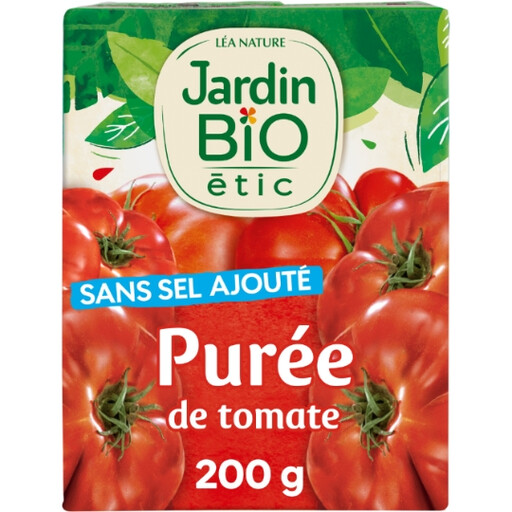
Why this product suits this profile : Its 200 g format is ideal for small recipes, students and households that only occasionally cook with tomatoes.
The product details describe a purée made from organically farmed tomatoes, with no added salt and citric acid as the only acidity regulator.
Compact format, 31 kcal and 0.03 g of salt per 100 g according to the product details.
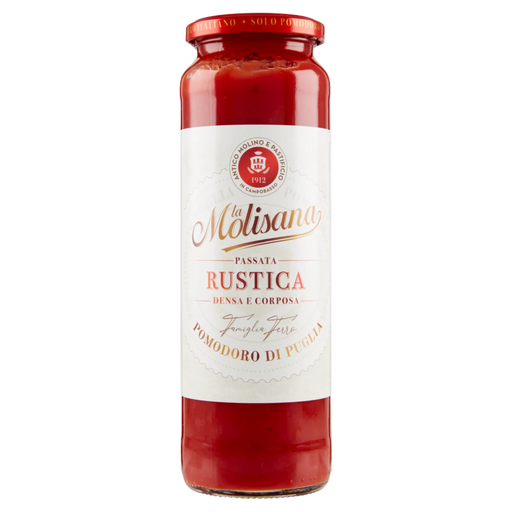
Why this product suits this profile : Its rustic texture, with pieces of tomato, will appeal to fans of thick sauces and richly flavoured Italian recipes.
The product details specify a recipe made from tomatoes, salt and citric acid, with no artificial additives listed.
Tomatoes grown in Puglia according to the product details, a 690 g format and a textured consistency.
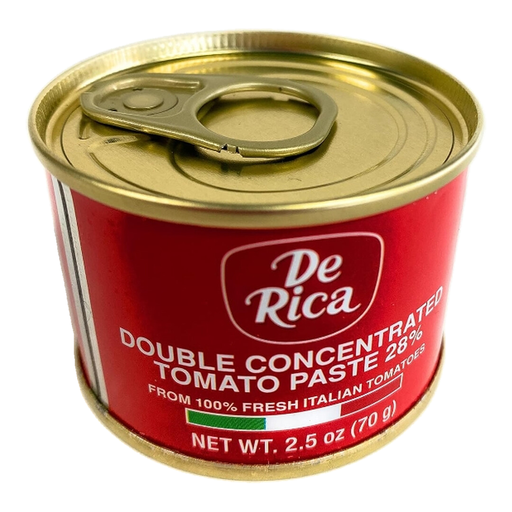
Why this product suits this profile : Its large format is aimed at larger families, frequent meal preparation and professional kitchens.
This is a concentrated tomato product containing 28–30 % soluble tomato solids, rather than a ready-to-serve sauce. Its quantity can therefore be adjusted during cooking.
The product details list tomatoes as the only ingredient and an 850 g format intended for regular use.
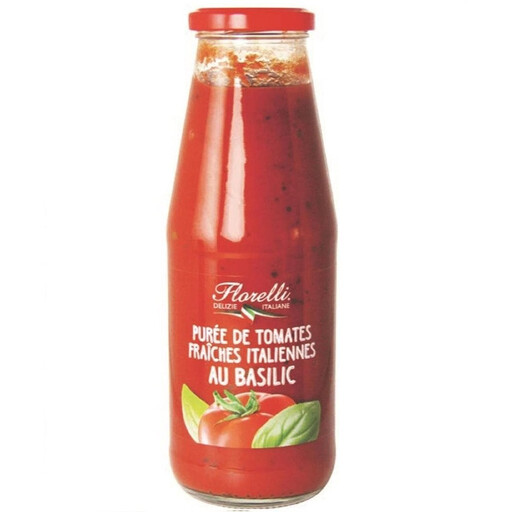
Why this product suits this profile : With basil already added, it makes weekday meals, pasta sauces and slow-cooked dishes simpler to prepare.
The stated composition specifies 99 % tomatoes and 0.5 % basil, with no added preservatives.
690 g format, 29 kcal and 0.35 g of salt per 100 g according to the available information.
We have put together a complete, real-time updated list of products that fully meet these strict selection criteria and European safety regulations.
Passata generally refers to filtered tomato purée, which is often smooth and lightly seasoned. Coulis may contain pulp and herbs. Tomato sauce is usually more elaborate, with ingredients such as onion, oil, herbs or sugar. The ingredients list remains the most reliable guide.
The storage time depends on the product. Available product details often indicate three to five days, while some sauces state five to seven days. Reseal the container, place it in the fridge and follow the instructions printed on the packaging.
A 200 g format is suitable for a small recipe or occasional use. Formats from 690 to 950 g are better suited to families, preparing several pizzas and professional kitchens, provided the product can be used within the recommended time after opening.