
Livraison le jour même ou le lendemain

Qualité garantie

Débloquez vos offres de bienvenue: Livraison GRATUITE | Jusqu'à -80 % | 30 jours d'essai gratuits à JoyPlus
Téléchargez l'application
Italian pasta is a staple of French kitchen cupboards for good reason: it keeps well, pairs with a wide range of sauces and makes it easy to put a family meal on the table quickly. However, not every product is equally suited to every use. Fine pasta behaves differently from a ridged tube, while whole-wheat pasta offers a different texture and flavour from classic durum wheat semolina pasta.
Before buying dried pasta or ordering Italian pasta online, a few simple checks can help you avoid disappointment.
The Italian name alone does not determine the best use. Penne rigate, rigatoni and shells have ridges or cavities that hold thick sauces particularly well. Linguine, by contrast, pairs more naturally with pesto, seafood sauces or oil-based preparations.
A shape that is perfect for one recipe may be less convincing in another. It is better to choose pasta according to the dish rather than relying solely on the attractive design of the packaging.
The time shown on the packet generally refers to cooking in a large quantity of salted boiling water. It can vary depending on the saucepan, hob power, quantity of pasta and preferred texture. A stated cooking time of 10 to 13 minutes therefore does not automatically guarantee an “al dente” result.
To avoid overcooked pasta, taste a piece one or two minutes before the stated end time. Pasta intended for a baked dish can also be slightly undercooked before going into the oven.
Most classic dried pasta is made from durum wheat semolina and water. Egg pasta, gnocchi and flavoured recipes have a different composition and may contain additional allergens.
The pack size also deserves attention. A 500 g pack of pasta is generally suitable for a family meal or several portions. A 5 kg bag is better suited to households that cook pasta very regularly or want to shop less often. Always check the label, ingredients list, allergens and best-before date shown on the packaging.
The term durum wheat semolina refers to the traditional base used for Italian dried pasta. Nutritional values vary by recipe, but the products in this selection generally provide between 69 and 72 g of carbohydrates and between 12 and 14.5 g of protein per 100 g, according to their product information.
Whole-wheat pasta stands out for its higher fibre content. La Molisana whole-wheat farfalle, for example, lists 8 g of fibre per 100 g, as do Barilla whole-wheat Pennette Rigate. This is not a personalised health claim, but it may be useful for people looking to include more fibre in a varied diet.
A rough or ridged surface helps sauce cling more effectively. Pasta described as bronze-die drawn, including certain rigatoni, fusilli and penne rigate, has a more irregular texture, as indicated in the product descriptions.
This texture is particularly well suited to thick tomato sauces, meat-based preparations, vegetable sauces and baked pasta dishes. With a light sauce, however, a finer, smoother shape may offer a more pleasant mouthfeel.
Here are a few useful guidelines for pairing each shape with the right recipes:
To store dried pasta, keep it in a cool, dry place protected from humidity. Once opened, an airtight container can help preserve its quality and prevent unpleasant surprises.
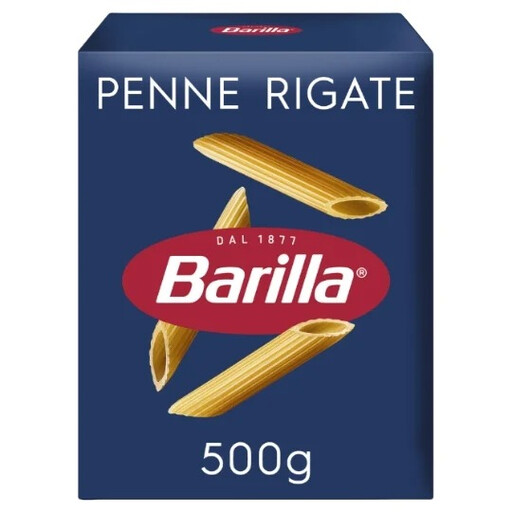
Why it suits this profile: Its 500 g pack size fits easily into weekly meal planning, while its versatile shape works equally well with sauces and baked dishes.
Its ridges hold sauce effectively, reducing the risk of choosing a shape that is poorly suited to saucy recipes.
Durum wheat semolina, a 500 g pack and a stated cooking time of 11 to 12 minutes, according to the product information.
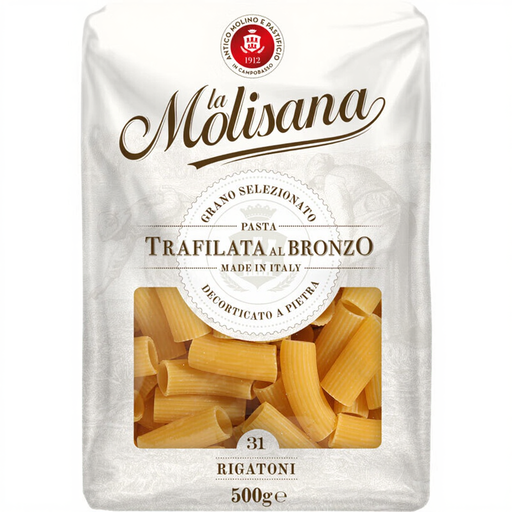
Why it suits this profile: Its generous diameter and ridged surface are ideal for ragù, creamy sauces and baked pasta dishes.
The surface is described as bronze-die drawn, giving it a rough, porous texture—more than a simple marketing claim based on its shape.
Italian durum wheat is specified, with a stated cooking time of 13 minutes and a net weight of 500 g.
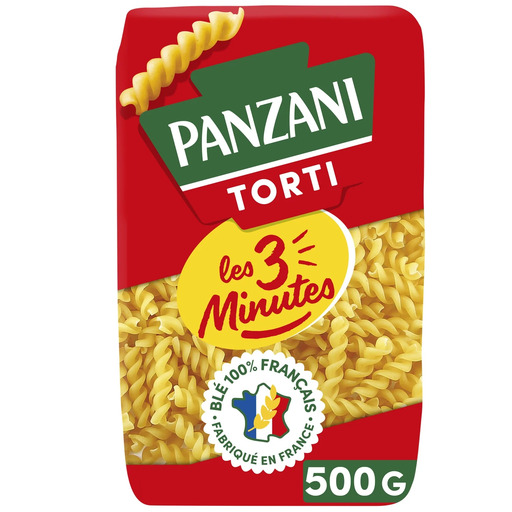
Why it suits this profile: A 500 g pack designed for evenings when there is little time to prepare dinner.
The stated 3-minute cooking time is clearly highlighted, making it easier to organise a speedy meal.
Durum wheat semolina is listed in the ingredients, and the product should be stored in a dry place.
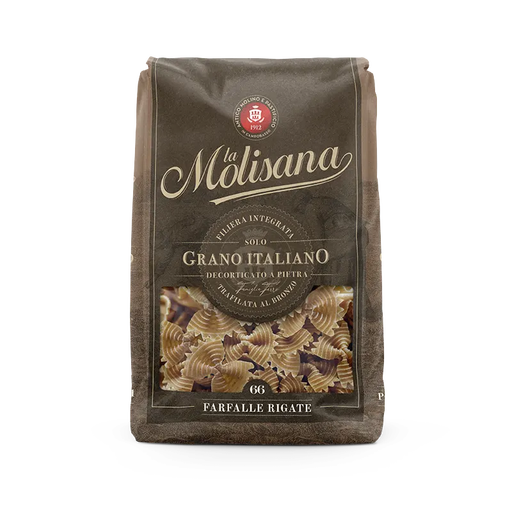
Why it suits this profile: Whole-wheat farfalle pair well with vegetable sauces and cold preparations. They are also suitable for people looking to increase the amount of fibre in their meals.
The stated 8 g of fibre per 100 g provides a clear, measurable comparison with classic pasta.
Whole durum wheat semolina, 15 g of protein and a stated cooking time of 10 minutes per 100 g.
To add variety to your menus, Barilla linguine pair well with light sauces and pesto. La Molisana fusilli have a stated cooking time of 10 minutes, and their spiral shape holds sauces and other preparations effectively. Barilla egg lasagne, which contain 22% egg according to the product information, are suitable for layered dishes and recipes prepared in larger quantities.
La Molisana potato gnocchi offer an alternative to dried pasta. Their ingredients include potato, wheat flour and sulphites, making it particularly important to check the allergen information. For larger households or frequent pasta eaters, Panzani’s 5 kg bag of penne rigate can reduce repeat shopping trips, provided you have enough room to store it in a dry, closed space.
We have brought together a complete, up-to-date selection of products that meet these selection criteria and the labelling requirements applicable in France.
For a main course, allow approximately 80 to 100 g of dried pasta per adult. The ideal quantity naturally depends on the accompaniment, appetite and other ingredients in the meal. A 500 g pack is therefore enough for several portions.
For a hot dish, rinsing removes some of the starch that helps the sauce cling to the pasta. It is therefore preferable to drain it and mix it directly with the sauce. Rinsing can nevertheless be useful for certain cold pasta salads.
Keep dried pasta in a cool, dry cupboard protected from humidity. Reseal the packet carefully or transfer its contents to an airtight container. Before cooking, check its appearance and observe the date shown on the packaging.