
Livraison le jour même ou le lendemain

Qualité garantie

Débloquez vos offres de bienvenue: Livraison GRATUITE | Jusqu'à -80 % | 30 jours d'essai gratuits à JoyPlus
Téléchargez l'application
An Italian liqueur can be enjoyed neat, over ice, as an aperitif or in a cocktail. But choosing a bottle is about more than simply being drawn in by its label. The alcohol content, ingredients and flavour profile all play a decisive role in the tasting experience.
Before placing your order, three common mistakes are worth avoiding:
The alcohol content should match how you plan to enjoy the bottle. The products selected here range from 16 to 28% vol.:
In France, alcoholic drinks are reserved for adults. Drink responsibly and never drive after consuming alcohol.
When comparing an amaretto liqueur or an almond liqueur, focus on the specific information provided: Italian almonds, flavourings, milk, cream, vanilla, cinnamon, cocoa or coffee. A statement such as 100% natural ingredients, when it appears in the manufacturer’s product information, describes the recipe claimed by the brand; on its own, it does not guarantee that you will enjoy the taste.
People following a plant-based diet should also check whether the product contains milk or cream. A vegan amaretto does not have the same profile as an amaretto cream, which is generally smoother and more reminiscent of a liquid dessert.
The word “amaretto” often suggests almond, but recipes can vary considerably:
For a gift, you could also pair a bottle with an Earl Grey tea with Italian bergamot. Alcohol-free, it adds an appealing citrus note to a selection with a distinctly Italian feel.
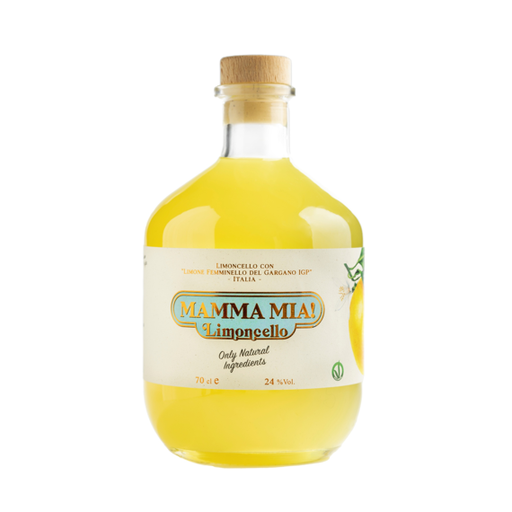
Why this choice suits this profile : Its lemon-led profile is instantly recognisable, making it a great introduction to limoncello, enjoyed neat and well chilled or topped up with sparkling water.
The product information mentions its Italian origin, the “Il Feminello Del Gargano PGI” lemon variety, as well as the absence of colourings and artificial flavourings stated by the manufacturer.
24% vol., 70 cl size, fresh lemon notes and the option to enjoy it as an aperitif, digestif or in a Limoncello Spritz.
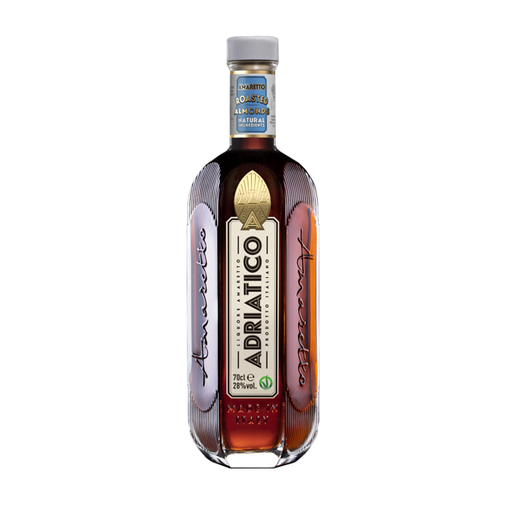
Why this choice suits this profile : Its recipe combines almonds from Puglia with vanilla, cinnamon, cocoa, coffee and a hint of salt, creating a richer, more structured tasting experience.
The description lists the main ingredients and states that it is less sweet than a traditional amaretto: a useful guide for avoiding overly sweet profiles.
28% vol., Italian ingredients stated to be natural and a recipe suited to an Amaretto Sour.
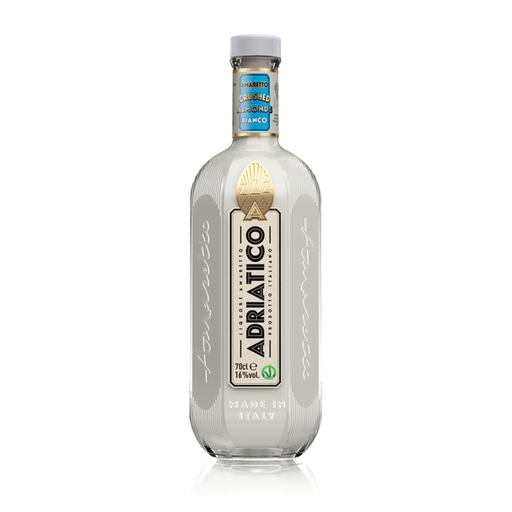
Why this choice suits this profile : This version is aimed at anyone looking for a vegan amaretto, with no milk or dairy cream, and a fresh expression of almond.
The product information clearly states that it contains no milk or dairy cream, making it easier to choose when following a plant-based diet.
16% vol., Italian ingredients stated to be natural, with notes of almond, vanilla and icing sugar.
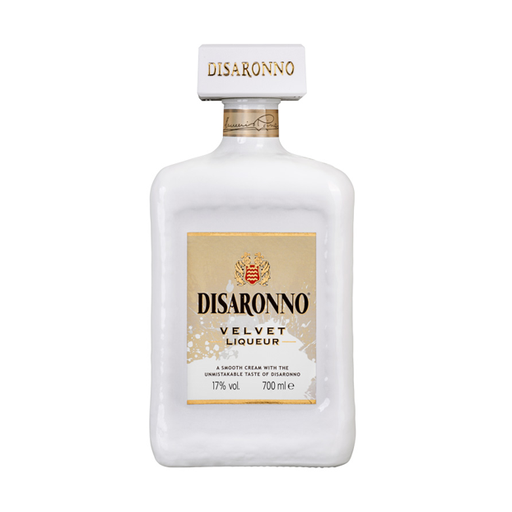
Why this choice suits this profile : With its velvety texture, this liqueur is designed for fans of indulgent recipes, served neat, over ice or in a cocktail.
The recipe clearly states that it contains milk: an important detail to know so you do not accidentally choose it when looking for a vegan or dairy-free version.
17% vol., stated notes of almond, vanilla and chocolate, to be served neat or over ice.
We have put together a complete, real-time updated list of products that meet these demanding selection criteria and European safety regulations.
A few simple steps can help you tell the different profiles apart:
Store the bottle in accordance with the instructions on the label. A creamy liqueur requires particular care after opening: check the manufacturer’s recommendations and avoid leaving it somewhere warm or exposed to light.
Limoncello is centred around a citrus profile led by lemon, while Italian amaretto develops notes of almond, vanilla, spices or dried fruit. The former is generally served very cold; the latter is used more often in cocktails, with coffee or in desserts.
Start by checking the ingredients list. A vegan amaretto contains no milk or dairy cream, while an amaretto cream may contain them and generally has a smoother texture. The alcohol content can also vary considerably from one product to another.
Shelf life depends on the recipe and the manufacturer’s recommendations. Close the bottle carefully and store it away from heat and light. Before serving, check its appearance, smell and taste. For a liqueur containing cream, always follow the instructions on the packaging as a priority.