
Livraison le jour même ou le lendemain

Qualité garantie

Débloquez vos offres de bienvenue: Livraison GRATUITE | Jusqu'à -80 % | 30 jours d'essai gratuits à JoyPlus
Téléchargez l'application
Choosing from the range of Italian aperitifs and liqueurs involves more than simply picking a pretty bottle. Whether you’re considering a sweet Italian liqueur, Italian vermouth, amaretto, limoncello or an aperitif for a Spritz, the alcohol content, bottle size and how you plan to serve it all affect the experience.
Whether you’re buying for drinks at home, a digestif or a gift, three common mistakes are worth avoiding:
The alcohol content gives you an initial idea of how a drink might be served, but it doesn’t tell you everything about how intense it will taste. At 12.5% vol., Aperol is commonly used in a Spritz with sparkling wine and soda water. By contrast, an amaretto at 28% vol. or a limoncello at 24% vol. has a stronger presence and can be served over ice, in small measures or in a cocktail.
Here are some flavour profiles to look out for:
These flavour descriptions give you an idea of what to expect, but of course they can’t guarantee you’ll enjoy the drink.
A 70 to 75 cl bottle is generally a good way to try a particular drink without buying too much. It’s a suitable choice for a couple, as a gift or for making cocktails from time to time. 1 L bottles, such as Martini Rosso, Martini Bianco, Martini Fiero or Ricard, are better suited to regular aperitifs and larger gatherings.
The Aperol Spritz recipe calls for 6 cl of Aperol per glass. A 70 cl bottle will therefore make around eleven cocktails, allowing for any spillage and changes to the measures. The actual number of servings will naturally depend on the recipe you follow.
It’s always important to check the label. Vermouths and wine-based aperitifs may contain sulphites. Cream liqueurs may contain milk or ingredients of animal origin, while a plant-based recipe should be clearly labelled as such.
Once opened, several vermouths and wine-based aperitifs should be stored in the fridge, including Martini Rosso, Martini Bianco and Martini Fiero. Lillet Blanc and Lillet Rosé also recommend refrigeration after opening, and should be consumed within two to three weeks according to the product information. For liqueurs, always follow the instructions on the packaging.
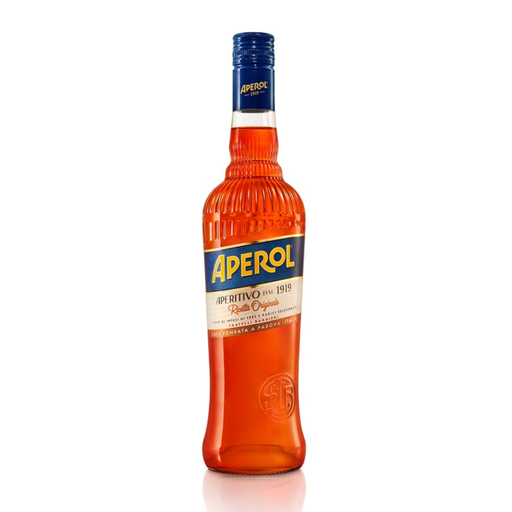
Why it suits this profile : Its moderate alcohol content and clearly specified Spritz recipe make it easy to mix your first cocktails at home.
The recipe calls for 3 parts Prosecco, 2 parts Aperol and 1 part soda water, helping you get the proportions right when mixing your cocktail.
A 70 cl bottle, 12.5% vol. and a blend made specifically for an Aperol Spritz.
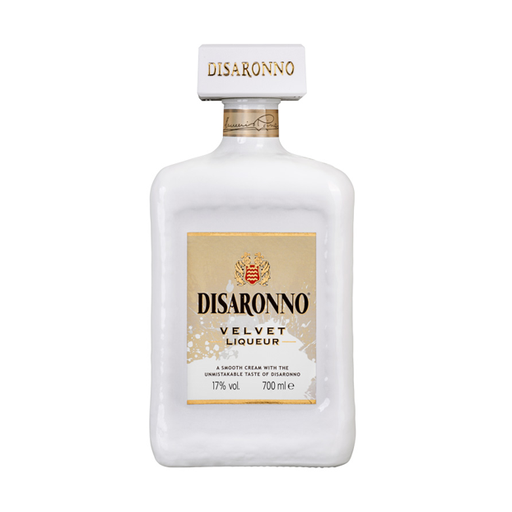
Why it suits this profile : Its creamy texture and advertised almond and vanilla notes will appeal to anyone who enjoys rich, indulgent digestifs.
At 17% vol. and in a 70 cl bottle, this cream liqueur is clearly different from a classic amaretto at 28% vol.
Enjoy it neat, over ice or in a cocktail, with almond, vanilla and chocolate notes highlighted by the brand.
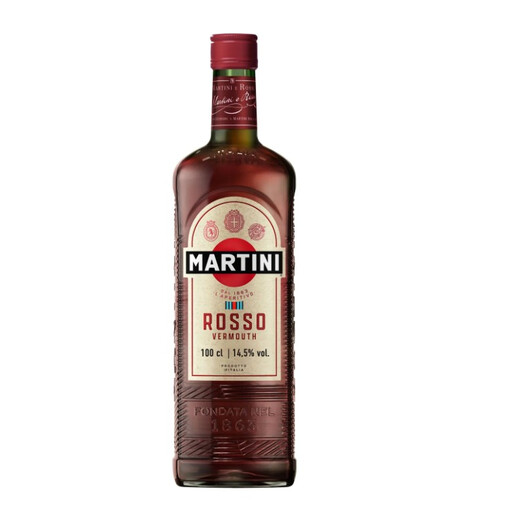
Why it suits this profile : Its one-litre bottle is well suited to regular cocktail-making, vermouth-based recipes and aperitifs with friends and family.
The generous volume makes it less likely you’ll run out of vermouth for your recipes, and the 14.4% vol. alcohol content is clearly stated.
An Italian wine-based vermouth made with sugar and plant extracts, with sulphites listed on the label.
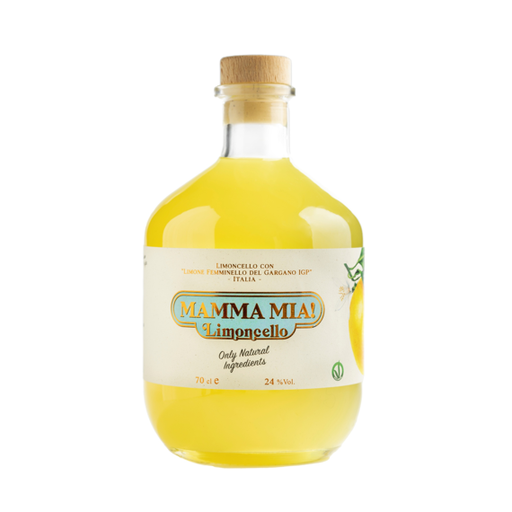
Why it suits this profile : Its citrusy flavour is best served well chilled, as a digestif or in cocktails such as a Limoncello Spritz.
The product information specifies its Italian origin, 24% vol. alcohol content and Apulian lemon variety, rather than relying on the packaging alone.
A 70 cl bottle with advertised fresh lemon notes and three ways to enjoy it : as an aperitif, digestif or cocktail.
We’ve put together a comprehensive selection, updated in real time, of products that meet these selection criteria and European safety regulations.
For a sweeter liqueur, Disaronno Originale Amaretto 28% – 70 cl features advertised hazelnut and almond notes. Enjoy it neat or in a cocktail. Adriatico Amaretto 28% – 70 cl combines Apulian almonds, vanilla, cinnamon, cocoa and coffee, according to its product description.
If you’re looking for an option without milk or cream of animal origin, Adriatico Amaretto Bianco 16% – 70 cl is described as a plant-based recipe. For a lighter, sweeter vermouth, Martini Bianco 1 L combines white wine, herbs and flowers. Martini Fiero 1 L puts the emphasis on bitter orange and Spritz cocktails, while Lillet Blanc and Lillet Rosé are French wine-based aperitifs available in 75 cl bottles.
Amaretto is generally a sweet liqueur with almond, vanilla or spice notes. Limoncello has a stronger citrus flavour and is often served very cold. Both can be enjoyed neat or in cocktails, but their flavour profiles suit different tastes.
Seal it carefully and keep it in the fridge if the manufacturer recommends this. Martini Rosso, Martini Bianco and Martini Fiero all mention this precaution. How long it keeps depends on the product, the temperature and how often the bottle is opened.
A 70 cl bottle is a good size for trying a particular drink or enjoying it occasionally. A 1 L aperitif is better suited to regular cocktails, meals with friends and households that often drink the same vermouth. In all cases, alcoholic drinks are for adults only and should be enjoyed in moderation.