
Livraison le jour même ou le lendemain

Qualité garantie

Débloquez vos offres de bienvenue: Livraison GRATUITE | Jusqu'à -80 % | 30 jours d'essai gratuits à JoyPlus
Téléchargez l'application
Repeated shaving, having to reapply depilatory cream, and costly salon appointments – the IPL (Intense Pulsed Light) hair removal device for home use appeals to those who want to gradually slow down regrowth on their legs, underarms, bikini line, arms, or certain facial areas. However, not all devices are suitable for every skin tone or hair colour.
Before comparing an IPL hair removal device, a depilatory cream, or an electric epilator for the body, it’s best to avoid three common pitfalls.
IPL works gradually on pigmented hair using light pulses. This is referred to as long-term hair reduction, with maintenance sessions whose frequency varies from person to person – it is not a promise of permanent hair removal at home.
The results shown on product specification sheets should be taken as indications linked to each brand’s protocol. For example, the Ulike Air 3 spec sheet mentions visible reduction from as early as three weeks, potentially reaching 93% after four weeks of regular use. These figures depend on the stated usage conditions and do not constitute a guarantee that applies to everyone.
IPL relies on the contrast between hair pigmentation and skin pigmentation. Very blonde, strawberry blonde, white, or grey hair may be only slightly receptive, or not at all. Furthermore, some devices are not designed for very dark skin tones.
A skin tone sensor can help you choose the intensity level, but it does not replace carefully reading the instruction manual. Before your first session, carry out a patch test on a small area 24 hours in advance. Tattoos, dark moles, scars, lesions, and irritated areas must be avoided.
A very powerful device that is unpleasant to use is likely to end up at the back of a drawer. Instead, check for the presence of multiple intensity levels, a mode suitable for large areas, and a cooling system if you have sensitive skin.
Sapphire cooling, like that integrated into Ulike devices, is designed to reduce the sensation of heat on contact with the skin. It can make the session more comfortable, without making IPL pain-free for everyone.
Start by checking the permitted areas: the face, body, underarms, and bikini line do not always have the same attachments or settings. For the face, caution is essential: never treat the eye contour, eyebrows, mucous membranes, or areas not intended by the manufacturer.
Also look for a built-in UV filter, a mechanism that prevents accidental flashes, and a clear instruction manual in English. The CE marking indicates that the manufacturer claims the product complies with applicable European requirements. However, it does not guarantee identical results for everyone or the complete absence of skin reactions.
A device offering five intensity levels provides more adjustment possibilities than a model with a single setting. Corded models avoid having to recharge the device during a full session, while a cordless device is more convenient to move around.
Also examine the recommended frequency. The Ulike Air 3 recommends three sessions per week for four weeks, then one maintenance session every two to four weeks. According to its spec sheet, the Philips Lumea BRI940/00 recommends two sessions per month initially. In any case, it is better to follow the protocol of your chosen model than to overdo the treatments.
A large light window can speed up treatment of the legs, while a narrower head makes it easier to work on small areas. The stated number of flashes gives an idea of the theoretical lifespan of the lamp, but this is not the only factor to consider: the grip, cable length, weight, and cleaning all directly affect the consistency of your sessions.
For a session under good conditions, shave the area approximately 24 hours beforehand, then work on clean, dry skin. During a single session, do not flash the same spot twice.
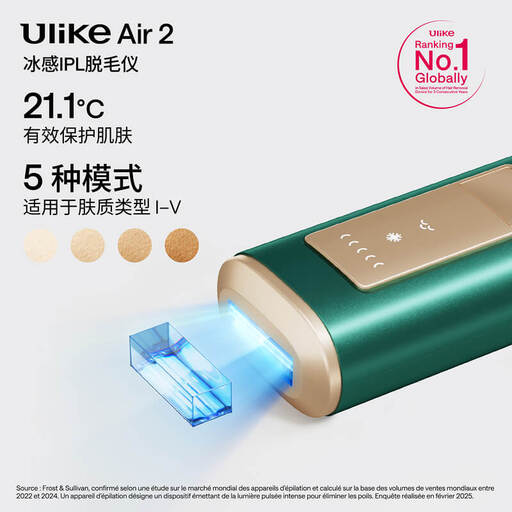
Why this choice suits this profile: Its versatile format, suitable for both face and body, makes it ideal for a first foray into home IPL, particularly on the legs, arms, and underarms.
Its various settings allow you to start gently, rather than jumping straight to maximum intensity.
Sapphire cooling, five advertised modes, and use without an additional head attachment.
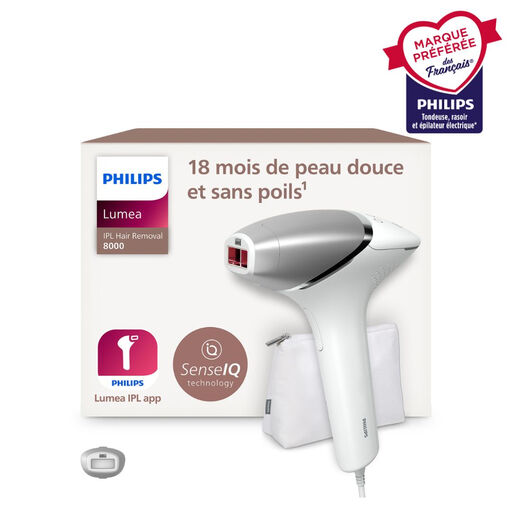
Why this choice suits this profile: The SmartSkin sensor and Lumea app can help those who want to plan their sessions precisely.
The sensor and five intensity levels prevent you from choosing a setting at random, provided you respect the skin and hair compatibility.
450,000 advertised flashes, corded operation, and Glide & Flash and Dab & Flash modes.
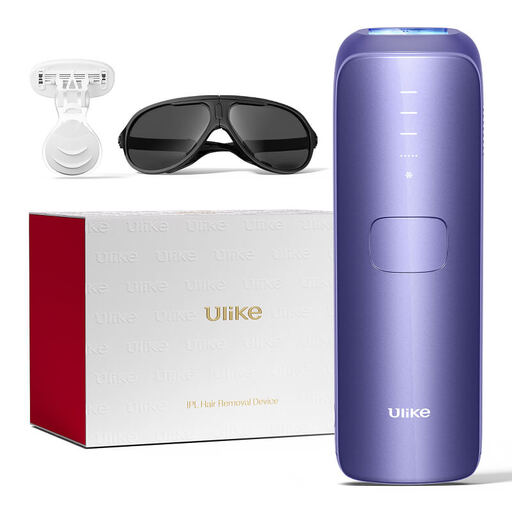
Why this choice suits this profile: The AutoGlide mode and integrated cooling are suitable for people who regularly treat several areas of the body.
The automatic flash every 0.7 seconds as stated on the spec sheet minimises interruptions on large areas, without encouraging you to overdo the passes.
Approximately 500,000 advertised flashes, built-in UV filter, protective goggles included, and a stated two-year warranty.
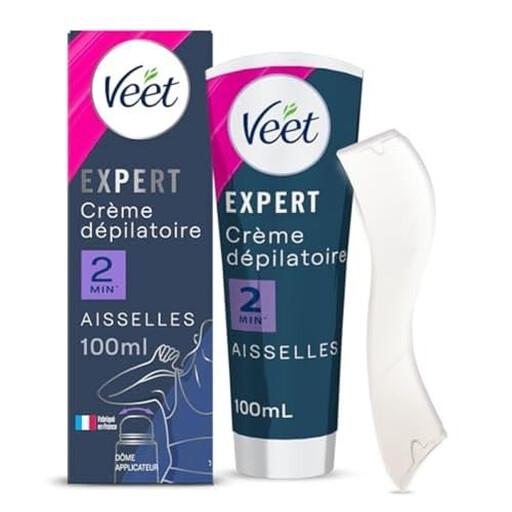
Why this choice suits this profile: This cream is suitable for occasional touch-ups on the underarms, arms, or legs, when an IPL treatment is not necessary.
The application time must be monitored: test a small area after two minutes and never exceed six minutes.
Dome applicator, shea butter formula, and intended use on underarms, arms, legs, and the outer bikini line.
We have put together a comprehensive, real-time updated selection of products that meet these strict criteria and the requirements of European safety regulations.
Yes, but only if the instruction manual explicitly permits the area in question. Some models are designed for the cheeks or upper lip, but the eye contour, eyebrows, and mucous membranes must always be avoided. Wear the recommended protective gear and start with a skin patch test.
The lifespan depends on the number of flashes, the frequency of sessions, and the maintenance of the device. The models presented advertise approximately 450,000 to 500,000 flashes, depending on the reference. This is a theoretical capacity: store the device in a dry place, clean the window with a soft cloth, and follow the manufacturer's instructions.
Once you have purchased the device, ongoing expenses are mainly limited to electricity and any products used before or after the session. You also need to consider the time spent on the programme and touch-ups. Therefore, compare the purchase price, warranty, included accessories, and the advertised lamp lifespan, rather than relying solely on the listed price.