
Livraison le jour même ou le lendemain

Qualité garantie

Débloquez vos offres de bienvenue: Livraison GRATUITE | Jusqu'à -80 % | 30 jours d'essai gratuits à JoyPlus
Téléchargez l'application
The IPL hair removal device appeals to those who want to space out shaving, limit salon appointments, and treat their legs, underarms, bikini line or certain facial areas from the comfort of home. But not all IPL devices are created equal, and they don’t all meet the same needs. Before making a purchase, it’s worth considering flash speed, thermal comfort, skin tone detection and the areas that can be treated.
A home IPL device uses intense pulsed light, not a medical laser. Its aim is to gradually reduce hair regrowth over repeated sessions. Results vary depending on the contrast between skin and hair, the area being treated and how consistently you use it. Any promise of permanent or instant hair removal should therefore be treated with caution.
A high number of flashes doesn’t guarantee a better experience. Also check the duration of a session, the size of the light window, the glide mode and the availability of spare parts and accessories. A device that’s too slow risks ending up at the back of a drawer after a few uses, especially when treating legs or the whole body.
IPL generally works thanks to the contrast between hair colour and skin colour. It is often unsuitable for white, grey, very light blonde or light red hair. Some devices are also not recommended for very dark skin. A skin tone sensor can help control flash emission, but it doesn’t replace carefully reading the instructions or doing a patch test on a small area first.
An IPL device intended for both face and body should offer settings suited to different areas. Manual levels allow you to start gradually, while a sensor analyses skin tone and adjusts or blocks the flash when conditions aren’t suitable.
The Braun PL5221, Braun Silk·Expert Pro 3 PL3020 and Braun Silk·Expert Pro 5 PL5054 models incorporate skin tone detection technology, according to the features provided by the manufacturers. The Philips Lumea Series 7000 BRI921/00, meanwhile, offers 5 manual levels as well as a sensor that can block the flash under certain skin tone conditions.
If you’re looking for near-painless hair removal, focus on the cooling system rather than absolute promises. The sapphire cooling on the Ulike Air 2 and Air 3 devices is designed to cool the skin’s surface during flash emission. Ulike states, in its commercial information, a contact temperature below 18°C for the Air 3.
This feature can make sessions more comfortable on the underarms, bikini line or face. However, the sensation varies depending on individual sensitivity and the intensity level chosen. The device should never be used on irritated, sunburnt, tattooed or damaged skin.
A corded device means you don’t have to keep an eye on the battery level, but you do need a nearby socket. The Ulike Air 3 claims a flash every 0.7 seconds in AutoGlide mode and a full-body session in around 12 to 13 minutes, according to product data. The Braun PL5221 claims a body session of around 10 minutes, compared with around 20 minutes for the Air 2.
Also check what’s included in the box: goggles if provided by the manufacturer, a razor, attachments for face or body, a pouch and an adapter. These items can affect the real cost of use.
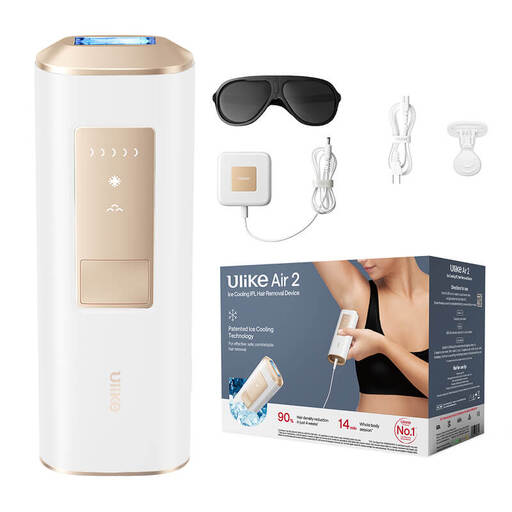
Why this choice suits this profile: Its 5 intensity levels and sapphire cooling make it easier to get started with home IPL hair removal, on both body and face, when following the manufacturer’s instructions.
The manual adjustment prevents starting at too high an intensity and allows you to adapt the session to the sensitivity of each area.
Sapphire cooling, use on face and body, treatment claimed in around 20 minutes and corded design.
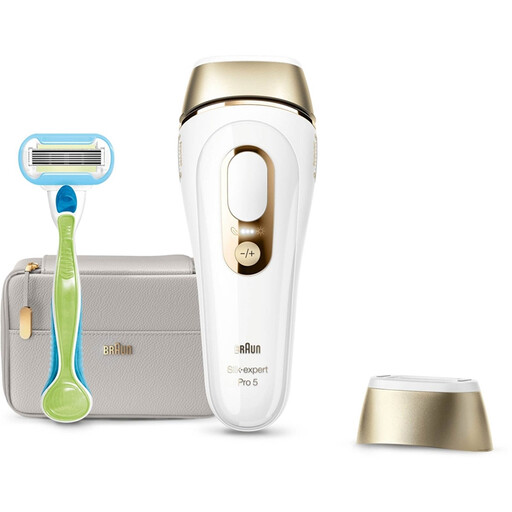
Why this choice suits this profile: This model focuses on automatic energy adjustment and a high flash rate, making it ideal for those who want to incorporate IPL into their regular routine.
Continuous skin tone reading reduces the need for repeated manual intensity adjustments, though you should still follow the instructions carefully.
SensoAdapt sensor, gentle modes, approximately 400,000 flashes claimed and compatibility stated for skin tones I to V.
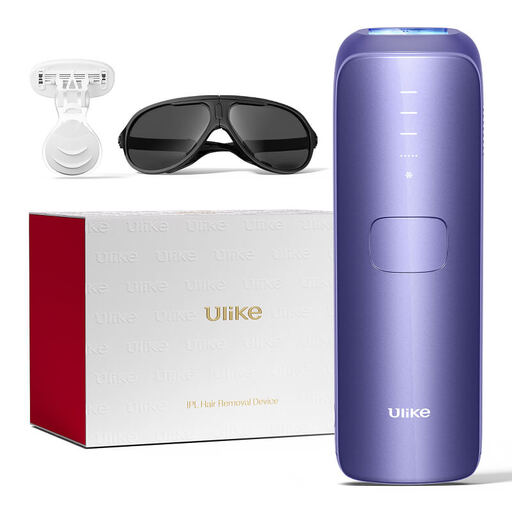
Why this choice suits this profile: Its fast AutoGlide mode and sapphire cooling are designed for users who treat multiple areas and want to cut down session time.
The claimed flash rate of one flash every 0.7 seconds reduces the risk of giving up due to endless sessions on larger areas.
Approximately 12 to 13 minutes claimed for a full body session, weight around 271 to 294 g depending on version and built-in UV filter.
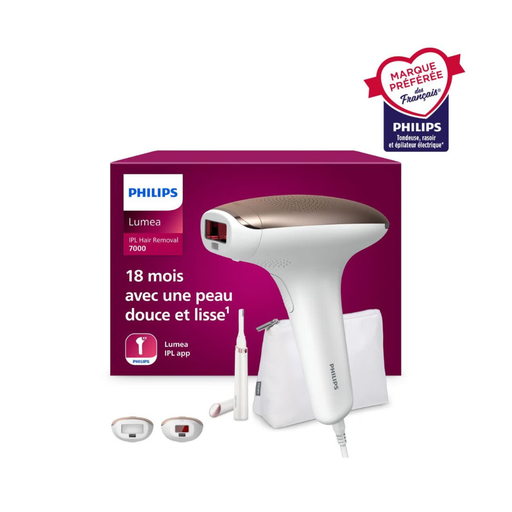
Why this choice suits this profile: The attachments for face and body allow you to distinguish between larger areas and more precise spots, such as the upper lip or chin.
The 4.0 cm² window for the body and 2.0 cm² window for the face prevent using too large an attachment on a precise area.
5 manual intensities, skin tone sensor, mains powered and precision attachment for the face.
We’ve put together a comprehensive list, updated in real time, of products that meet these strict selection criteria and European safety regulations.
Restrictions vary between models. If you are pregnant, breastfeeding, taking photosensitising medication or have a skin condition, consult the instructions and, if necessary, seek advice from a healthcare professional before use.
The lifespan depends on the number of flashes, the frequency of sessions and the areas treated. Some models claim around 250,000 to 500,000 flashes. This figure doesn’t guarantee a particular result: keeping the light window clean and sticking to the intervals between sessions remain essential.
Some devices are designed for the face, underarms and bikini line, but only on the areas mentioned in their instructions. Avoid the eyes, eyebrows, mucous membranes, genitals and any area with a tattoo or dark pigmentation. A dedicated attachment or gentle mode can improve precision, but doesn’t remove the need for caution.
A home device represents an initial investment, followed by generally low running costs limited to accessories and electricity. Comparing it with laser or salon sessions depends on the number of appointments needed and the desired result. IPL can be a practical alternative for some people, but should not be presented as the equivalent of a medical laser treatment.