
Livraison le jour même ou le lendemain

Qualité garantie

Débloquez vos offres de bienvenue: Livraison GRATUITE | Jusqu'à -80 % | 30 jours d'essai gratuits à JoyPlus
Téléchargez l'application
Getting the new iPhone 17 is a significant investment. Your first instinct, and rightly so, will be to protect its magnificent screen—the centrepiece of the device—from the hazards of daily use. But with the vast array of screen protectors on the market, it can be hard to know where to start. This guide is here to break down the essential criteria and present our selection of the best screen protectors, whether your priority is privacy or absolute transparency.
Before diving into our top picks, let's review the features that separate a good iPhone 17 screen protector from a useless gadget.
Your choice will depend directly on your environment and priorities.
The 9H hardness rating is an industry standard that measures a surface's resistance to scratches. In practical terms, a 9H tempered glass can easily withstand scratches from everyday objects like a set of keys or coins. It's your guarantee of excellent scratch-resistant protection. Note that this rating only applies to scratch resistance, not impact resistance. However, in the event of a drop, the tempered glass acts as a sacrificial layer?: it is designed to absorb the impact and shatter instead of the original screen. A much more cost-effective solution than an screen replacement?!
A protector is only effective if it's perfectly applied. Opt for models that offer an easy installation, ideally supplied with an installation frame or applicator. This ensures perfect alignment and a bubble-free application. Also, make sure the protector is case-friendly. This means it leaves a tiny gap around the edges to prevent it from being lifted by the sides of your case. Finally, a good oleophobic coating is essential to repel fingerprints and oils, keeping your screen cleaner for longer.
We have selected tried-and-tested models for you, each catering to a specific need.
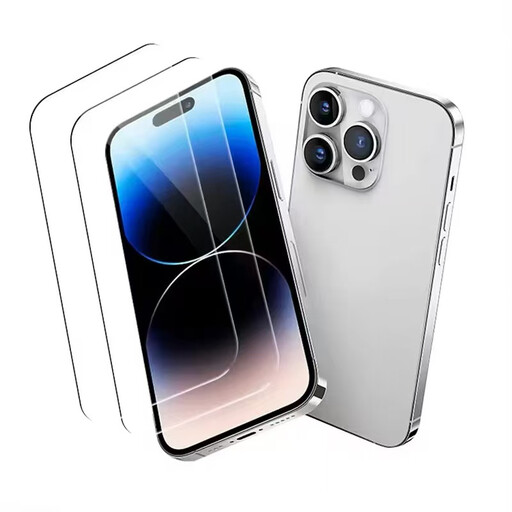
Why it stands out?: This tempered glass goes all-in on protecting your privacy. It's designed for those who handle sensitive data on the go, making the screen unreadable as soon as you move away from the direct viewing angle.
Pros?:
Who is it for?? Professionals on the move, frequent commuters, and anyone who values the confidentiality of their data on their iPhone 17 Pro Max.
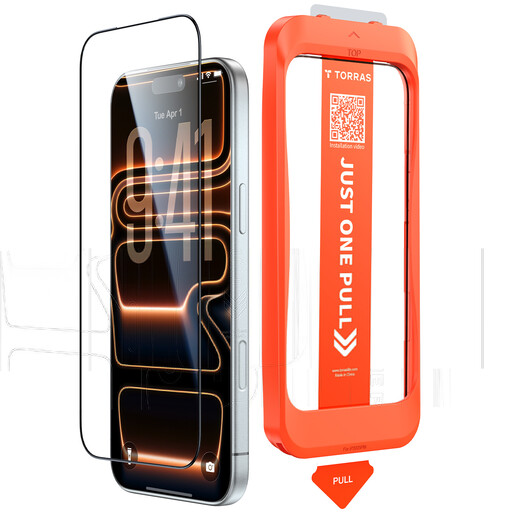
Why it stands out?: TORRAS prioritises exceptional transparency and heavy-duty durability. Its goal is to preserve the integrity of the Super Retina XDR display while offering top-tier protection.
Pros?:
Who is it for?? Creators, photographers, gamers, and all image purists who refuse to compromise on the display quality of their iPhone 17 Pro Max.
Every iPhone deserves protection. Here are the options for the other models in the series.
For the iPhone 17 (Standard)?: The VoxorAI Anti-Spy Tempered Glass for iPhone 17 offers the same privacy features as the Pro Max version, perfectly sized for the standard model.
For the iPhone 17 Pro?: The TORRAS Install Master Clear Tempered Glass for iPhone 17 Pro provides the same transparency and robustness as its Pro Max counterpart, for protection that is as discreet as it is effective.
Of course, this selection is just a starting point. The market is full of alternatives to meet every specific need.
To explore a wider selection of screen protectors and other accessories for your device, feel free to browse our full category of electronic accessories.
Yes, it's unavoidable. A privacy filter causes a slight loss of brightness and can subtly alter colours, even when viewed head-on. It's the trade-off for discretion. The effect becomes more pronounced as the viewing angle increases. If image fidelity is your number one criterion, you should definitely opt for a clear glass protector.
No, 9H hardness only refers to scratch resistance (from keys, coins, etc.). It is not an indicator of impact resistance. That said, a tempered glass protector acts as a sacrificial layer. In the event of a drop, it absorbs the impact's energy and shatters instead of the iPhone's screen. Think of it like a fuse?: it's better to replace a $20 protector than the entire screen?!
Absolutely not. The silicone adhesive layer is for single use only. Once the protector is removed, it's impossible to reapply it without trapping dust and air bubbles, and it will lose its adhesion. Worse, the process could eventually damage the original oleophobic coating on your iPhone's screen. Avoid this?