
Livraison le jour même ou le lendemain

Qualité garantie

Débloquez vos offres de bienvenue: Livraison GRATUITE | Jusqu'à -80 % | 30 jours d'essai gratuits à JoyPlus
Téléchargez l'application
Buying an iPhone 17 Pro is an investment—and a significant one at that. The first instinct, once you've unboxed your new device, is to protect its magnificent screen. The problem? The screen protector market is a jungle of confusing, and often misleading, marketing claims. Between the technical jargon and bold promises, it's easy to make the wrong choice. As the Head of Tech, my mission is to help you cut through the noise. This guide debunks the most common scams and highlights the criteria that truly matter when choosing a protector that's up to the task.
Before you click "Add to Cart," it's crucial to understand the common misconceptions that lead directly to disappointment and wasted money.
To avoid making a mistake, focus on these key technical specifications. They are non-negotiable. These are the true arbiters of quality when evaluating an iPhone 17 Pro screen protector.
Rather than an endless list, we've selected products for specific user profiles. It's up to you to find the one that fits your needs.
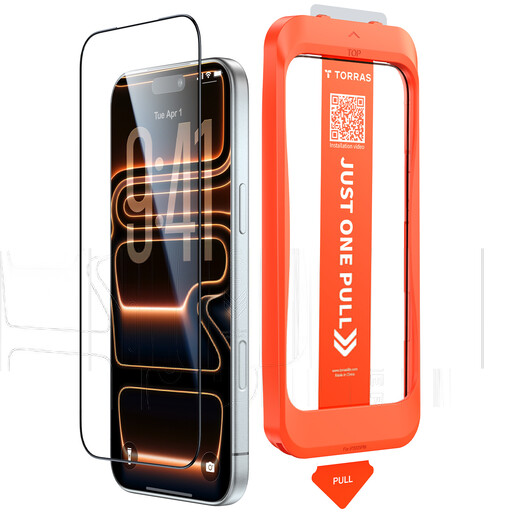
Who is it for? For those who tolerate no compromise on display quality. If your absolute priority is to preserve the spectacular colour fidelity and brightness of the Pro screen, this model is for you.
It avoids the pitfall of sacrificing clarity with a stated light transmittance of over 92% and anti-yellowing technology. Its reinforced edges directly address the fragility issue of classic 9H glass.
Flawless optical clarity and edges designed to withstand over 25 kg of pressure, drastically reducing the risk of chipping.
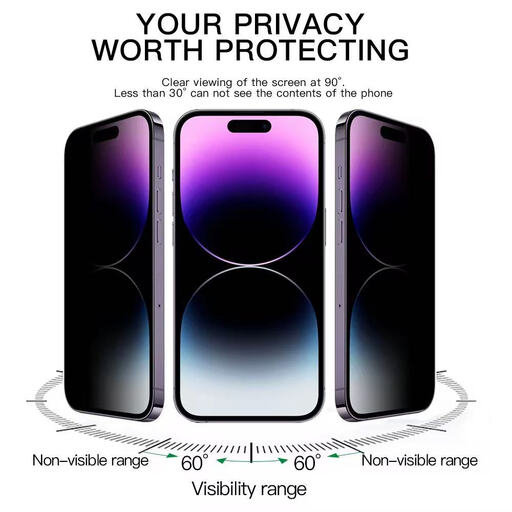
Who is it for? Perfect for those who use their iPhone on public transport, in cafés, or in open-plan offices. It shields your sensitive information (emails, messages, passwords) from prying eyes.
It succeeds where many fail: offering effective privacy without significantly degrading front-on clarity, the weak point of low-end filters. Its automatic installation system makes a flawless application much easier.
A 360° privacy filter that makes the screen unreadable from the sides, while retaining the hardness of a 9H tempered glass and an effective oleophobic coating.
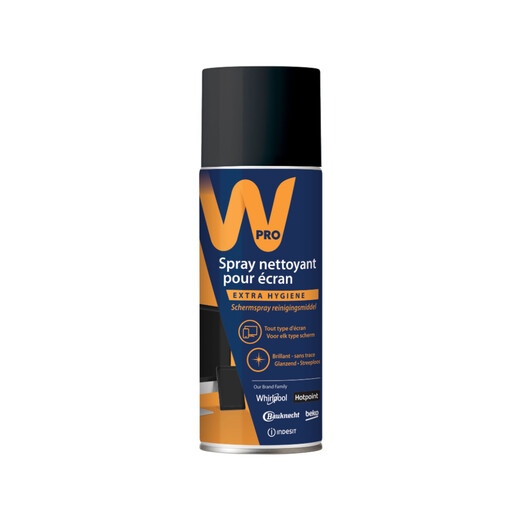
Who is it for? Because even the best screen protector is useless if it's dirty. This spray is the essential accessory for keeping your screen pristine without risking damage to its surface coatings.
It helps you avoid the mistake of using household cleaners (based on alcohol or ammonia) which can destroy the oleophobic coating on both your protector and the screen itself. Its formula is specifically designed for displays.
Its anti-static formula prevents dust from resettling too quickly, keeping your screen clean and streak-free for longer.
Explore our full selection of products that meet our quality criteria and current standards.
Can 9H tempered glass really get scratched? Absolutely. The 9H standard only measures scratch resistance against a pencil lead, nothing more. Much harder materials, like grains of sand or quartz found in our pockets, can scratch any anti-scratch screen protector. The quality of the glass and its coatings affects its resilience, but no protector is indestructible.
Does installing a screen protector affect touch sensitivity or Face ID? No, a high-quality, thin, and properly installed protector will have no noticeable impact on touch sensitivity or Face ID. Problems arise with low-end products: if they are too thick or poorly cut, they can obstruct sensors or create a gap that reduces the screen's responsiveness.
When should you replace your screen protector? Replace your protector as soon as it's damaged. Even a minor crack weakens its structure and reduces its ability to absorb the next impact. Deep scratches that hinder readability or edges that are peeling away are also signs that it's time for a replacement to ensure effective protection and optimal user experience.