
Livraison le jour même ou le lendemain

Qualité garantie

Débloquez vos offres de bienvenue: Livraison GRATUITE | Jusqu'à -80 % | 30 jours d'essai gratuits à JoyPlus
Téléchargez l'application
An iPhone 16 Pro and Pro Max MagSafe case shouldn't just protect the back of your phone. It also needs to stay compatible with wireless charging, keep the Camera Control button accessible, and feel comfortable to hold every day. Yet some models focus mainly on an attractive design or strong magnetic power, without spelling out the details that really make a difference.
Before buying an iPhone 16 Pro Max case or an iPhone 16 Pro case, here are the pitfalls to avoid and the criteria to check.
A case can include a magnet without guaranteeing a stable alignment with a MagSafe charger. Check for a built-in magnetic ring and explicitly stated compatibility with MagSafe accessories. Without this, the charger may shift or detach more easily, especially in the car.
The models selected here all state MagSafe compatibility. The IM-CHEN cases feature an N52 magnetic ring, while the Apple models are designed to work with MagSafe accessories as well as compatible Qi2 and Qi chargers.
The term "shockproof" isn't enough. Effective protection must combine a sturdy structure, reinforced corners, and a sufficiently raised lip around the screen and cameras. A very slim case may suit light use, but it won't necessarily meet the needs of someone working on a building site, travelling often, or regularly placing their phone on risky surfaces.
The IM-CHEN case specifications state drop protection of up to 3 metres, according to a MIL-STD-810G protocol claimed by the manufacturer. This is a declared product feature, not a guarantee against all damage.
An imprecise cut-out can make the Camera Control button less pleasant to use. So make sure the case is designed for your model. An iPhone 16 Pro case won't necessarily fit an iPhone 16 Pro Max, even though both phones belong to the same range.
To choose a case compatible with a MagSafe charger, look for the following information:
The presence of magnets doesn't automatically mean all accessories will be held perfectly. The weight of the phone, the weight of the accessory, and the quality of the mount also affect stability.
TPU, or thermoplastic polyurethane, generally offers flexibility and absorbs some impact. Polycarbonate, which is more rigid, helps preserve the shape of the case's back. A combination of TPU and PC, as seen on several IM-CHEN models, can therefore suit users looking for a balance between comfort, durability and protection.
A silicone case for iPhone 16 Pro Max typically prioritises a soft touch and comfort. However, silicone can attract dust and lint. The Apple models shown feature an outer silicone coating containing 55% recycled material and a microfibre inner lining, according to their product sheet.
A case with screen protection can simplify your purchase and help you avoid forgetting this accessory. The IM-CHEN models shown come with a tempered glass screen protector. Before applying it, clean the screen thoroughly and check that the glass doesn't interfere with the earpiece or touch gestures.
No case replaces careful use. Apple specifically states that its cases do not guarantee complete protection against falls or major impacts.
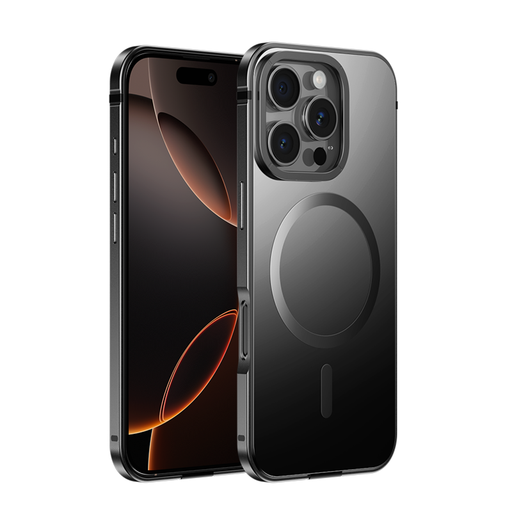
Why this choice suits this profile: This black case for iPhone 16 Pro combines MagSafe compatibility, a matte back and an included tempered glass screen protector. It's perfect for a complete first setup, without needing multiple separate purchases.
The product sheet mentions a built-in magnetic ring, dedicated cut-outs for the Camera Control button, and a supplied tempered glass screen protector.
TPU and PC construction, translucent matte finish, claimed GRS certification and included screen protection.
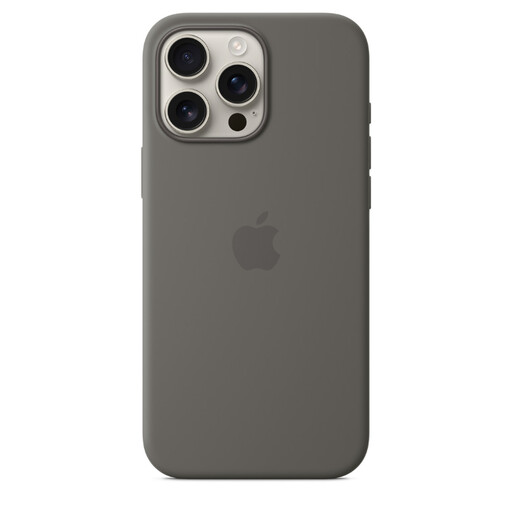
Why this choice suits this profile: This stone grey case for iPhone 16 Pro Max is for those who value a subtle finish, a soft lining, and seamless integration with the Apple ecosystem.
MagSafe, Qi2 and Qi compatibility are stated. So you won't need to remove the case to use a compatible wireless charger.
55% recycled silicone claimed, microfibre lining, built-in magnets and a surface compatible with Camera Control.
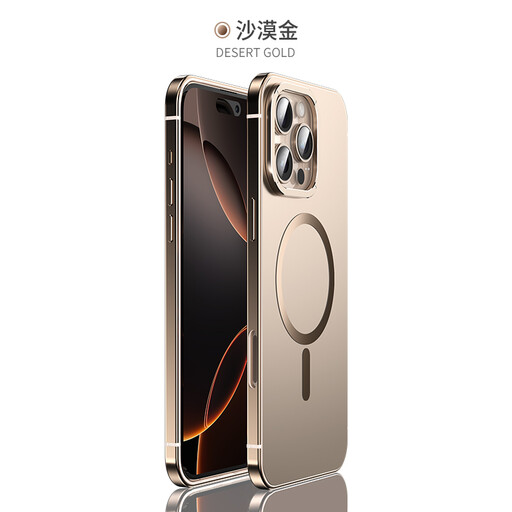
Why this choice suits this profile: Its flexible frame, reinforced corners and compatibility with MagSafe mounts make it a suitable companion for frequent travel and more demanding use.
The claimed protection of up to 3 metres, air cushions in the corners and the supplied tempered glass screen protector target several vulnerable areas.
Matte PC back, shock-absorbing TPU edge, claimed N52 magnetic ring and at least 50% recycled materials according to the product sheet.
We've put together a comprehensive list, updated in real time, of products that meet these strict selection criteria and European safety regulations.
Before installation, clean your phone with a soft, dry cloth. For a case with screen protection, apply the glass first following its alignment guide, then insert the iPhone into the case starting from the button side.
A few precautions will help extend its lifespan:
In daily use, also inspect the corners and the area around the camera. A damaged case may lose some of its protective capabilities.
Yes, when the case explicitly states compatibility with MagSafe or a compatible Qi2 or Qi charger. The magnets must be correctly aligned to ensure charger stability and promote efficient wireless energy transfer.
No. The stated protection levels correspond to conditions defined by the manufacturer. They do not guarantee no damage in the event of a fall onto a hard or uneven surface, or from a different height. A supplementary screen protector therefore remains useful.
Start by checking the exact model in your phone's settings or on its packaging. The dimensions, cut-outs and button positions differ. A case designed for the iPhone 16 Pro should not be chosen for a Pro Max, and vice versa.