
Livraison le jour même ou le lendemain

Qualité garantie

Débloquez vos offres de bienvenue: Livraison GRATUITE | Jusqu'à -80 % | 30 jours d'essai gratuits à JoyPlus
Téléchargez l'application
Buying international products online lets you discover a true world grocery store – French specialities, Japanese goods, or licensed accessories that are rarely available near you. But with such a vast range on offer, making the right choice can quickly become tricky. A nice photo, a promise of authenticity, or a large size isn’t enough to tell you whether a product will really meet your expectations.
Before you fill your basket, there are three pitfalls that deserve your attention.
A product may borrow the style of a particular cuisine or TV series without actually being made in the country it references. For a sauce, instant noodles, or an imported confectionery, always check the country of origin, the manufacturer, and – where this information is provided – the responsible person within the European Union.
These details help you place the product, but they don’t on their own guarantee its taste or quality. A French speciality like Bonne Maman jam can satisfy a craving for a traditional recipe, while a Marutomo Japanese broth is more suited to fans of Asian cooking.
International food products may contain soya, gluten, milk, fish, sesame or sulphites. Recipes and formats vary from one product to another. So it’s best to check the ingredients list and allergen information before ordering, especially for children or anyone with food sensitivities.
The salt content is also worth a look. Marutomo soup concentrate, for example, contains 10.6 g of salt per 100 g and must be diluted according to the manufacturer’s instructions. A confectionery item, meanwhile, may be high in sugar but intended for occasional consumption.
For an insulated bottle, a gaming accessory, or a lifestyle item, concrete information is far more valuable than a marketing slogan. Look at the capacity, the material, compatibility with your devices, cleaning instructions, and usage precautions.
A 515 ml stainless steel bottle doesn’t serve the same purpose as a 780 ml model. Similarly, an iPhone controller with a Lightning connector won’t automatically work with all recent Apple models.
For food products, always check:
A 70 g tube of harissa chilli paste can be handy for cooking in small amounts. A 370 g jar of peach jam is better suited to toast, baking, or family use. The format should match how quickly you’ll use it, to avoid waste.
For accessories, check the dimensions and compatible devices. The Backbone ONE Gen 2 PlayStation Edition featured here uses an Apple Lightning connection and is designed for iPhone 14 and earlier models, according to the information provided. It supports PS Remote Play and several online gaming services, but your phone must have the right connector.
For bottles, look at the volume, lid type, cleaning instructions, and any usage restrictions. The Stor models mentioned should not be used in the microwave and are not intended for carbonated drinks. Hand washing is recommended to preserve the licensed designs.
A measurable detail – such as 515 ml, 500 ml, 6 m or 330 g – lets you compare products objectively. A claim like “authentic”, “premium” or “revolutionary” should be taken in context.
For an imported cosmetic product, also check the instructions for use, precautions, and ingredients. A Korean shampoo may highlight plant-based ingredients or a formula for brown hair, but these details don’t replace medical advice and aren’t a guarantee of results.
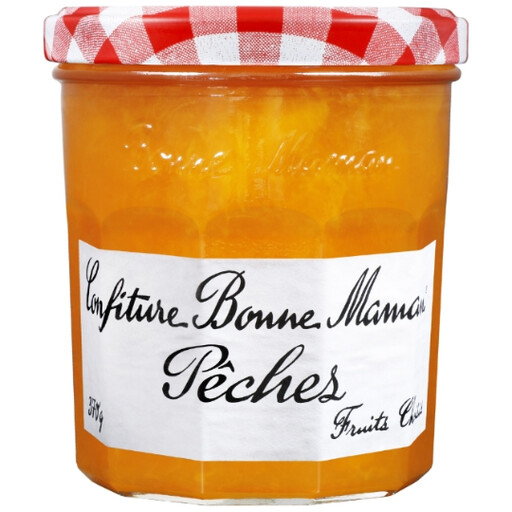
Why this suits this profile: Its standard 370 g size and immediate use on bread, toast or in baking make it a great introduction to French specialities.
The product page lists the ingredients, net quantity, French origin, and refrigeration after opening.
Peach pieces are stated, a French recipe, and no artificial colours or preservatives, according to the description provided.
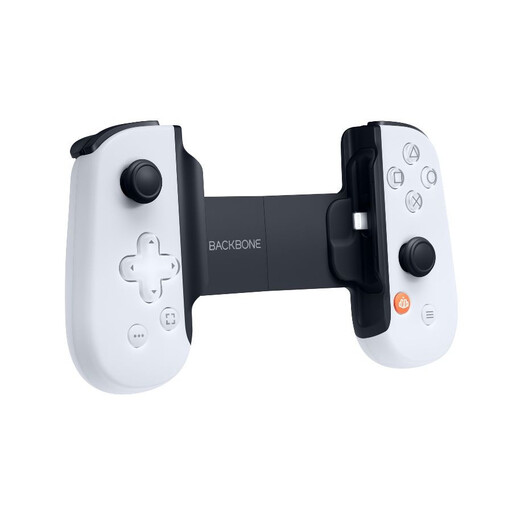
Why this suits this profile: This controller targets users looking for a PlayStation-inspired finish and a more refined mobile gaming experience.
Lightning compatibility is clearly stated, reducing the risk of choosing the wrong connector at checkout.
Direct Lightning connection, 3.5 mm headphone jack, passthrough charging port, and stated compatibility with PS Remote Play.
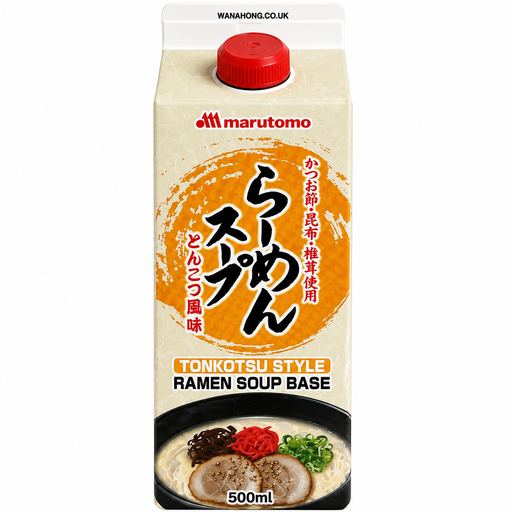
Why this suits this profile: Its 500 ml pack and recommended dilution ratio of 1:5 to 1:6 make it ideal for regular ramen, broth and Japanese cooking enthusiasts.
The product page specifies the dosage, the presence of wheat and soya among the allergens, and the need to refrigerate after opening.
It can be used for ramen, rice, tofu, stir-fries or simmered dishes, with a practical screw cap.
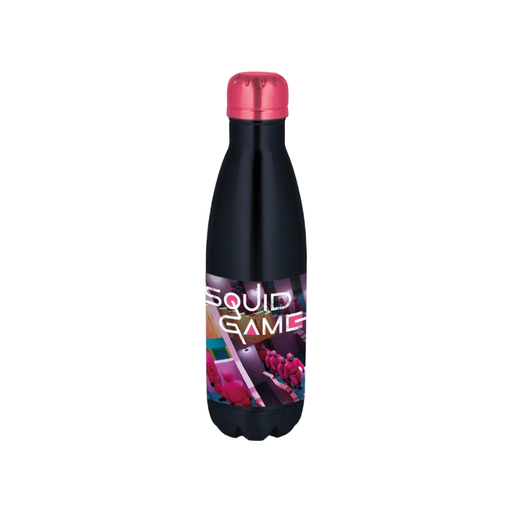
Why this suits this profile: With its 780 ml capacity, this bottle is ideal for school, the office, the gym or days out, while sporting a licensed design.
The capacity, stainless steel construction, and precautions about washing and carbonated drinks are clearly stated.
A double-wall construction, screw cap, and an officially licensed black and pink design.
We’ve put together a full selection, updated in real time, of products that meet these strict criteria as well as European safety regulations.
Check the ingredients list and the “allergens” section on the product page. Pay particular attention to gluten, milk, soya, fish, nuts, sesame and sulphites. If in doubt, refer to the labelling on the product you receive and do not consume it until you have clear information.
It depends on the product category. A jam should generally be kept in the fridge after opening, as should a soup concentrate like Marutomo. Confectionery, sauces and dry goods should be stored according to the instructions on the packaging, away from heat, moisture and light.
Start by comparing its capacity with your daily use, then check the material, lid type, cleaning instructions and usage precautions. The 515 ml Stor models are ideal for compact carrying, while a 780 ml bottle offers greater capacity. Also check any restrictions regarding the dishwasher and carbonated drinks before using it.