
Livraison le jour même ou le lendemain

Qualité garantie

Débloquez vos offres de bienvenue: Livraison GRATUITE | Jusqu'à -80 % | 30 jours d'essai gratuits à JoyPlus
Téléchargez l'application
International chocolates and sweet snacks are a great way to break the routine, whether you're after chocolate bars, filled biscuits, Japanese snacks or American confectionery. But shopping online can sometimes bring disappointments: a much smaller size than expected, a barely noticeable flavour that was heavily promoted, or allergens that are hard to spot on an incomplete product page.
Whether it's for a treat, a break at work, or an assortment of chocolates to share, a few checks are all it takes to compare products more confidently and avoid nasty surprises.
A box of 200 to 500 g may contain several individual units, whereas a 40 g bar is more of a single-serving treat. Always check the net weight, the number of pieces and the approximate weight of each unit. A multipack is handy for sharing, but it isn't necessarily better value: only the price per kilogram will tell you for sure.
Banana, strawberry, matcha or hazelnut might appear in the product name without making up a significant part of the recipe. Check the ingredients list and look for the presence of powder, flavouring or fruit in a declared quantity. Some Japanese KitKats, for example, combine a biscuit and chocolate base with a fruity note or tea flavour, with a different composition to the classic versions sold in the UK.
Imported chocolates and biscuits often contain milk, soya, wheat, peanuts, hazelnuts, eggs or sesame. If you have an allergy, the phrase "may contain traces" should also be taken seriously. Also check the best before date, the product's origin and its storage conditions. A cool, dry place away from heat and sunlight will help preserve the chocolate's texture.
For an individual treat, sizes between 30 and 50 g are easy to slip into a bag: Pepero 39 g, Feastables 40 g or Snickers Strawberry 42 g. For a family, a birthday or a gift hamper, it's better to go for boxes containing several units, such as Nutella B-ready in 10 portions or Kinder Bueno x6.
Individual wrappers make it easy to hand out and limit the rest of the product's exposure to moisture. They're particularly handy for a snack at the office, a day out or trying several different flavours.
The choice isn't just about the cocoa percentage. A milk chocolate bar usually offers a smooth, creamy texture, while white chocolate is made from cocoa butter, milk and sugar, with no cocoa mass. Chocolate biscuits add crunch, while wafer sticks like Pocky, Pepero or Mikado are ideal for those who want a lighter, crispier bite.
Praline or hazelnut chocolate recipes often play with several textures for a more indulgent experience. As for fruit-based products, such as strawberry chocolate, they may contain powder, pieces, a filling or simply flavouring. The ingredients list will tell you the difference.
Before buying any chocolate online, check:
This information won't tell you how it tastes, but it will let you objectively compare different American, European or Asian confectionery.
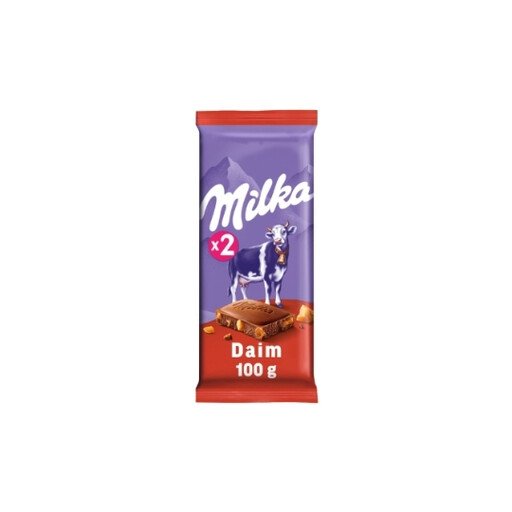
Why this suits this profile: This pack of two 100 g bars is a simple introduction to milk chocolate and is easy to share.
The total weight and the breakdown of the two bars are clearly stated, so you won't mistake an individual size for a sharing pack.
Two 100 g units, a smooth and creamy texture, and chocolate made in Germany.
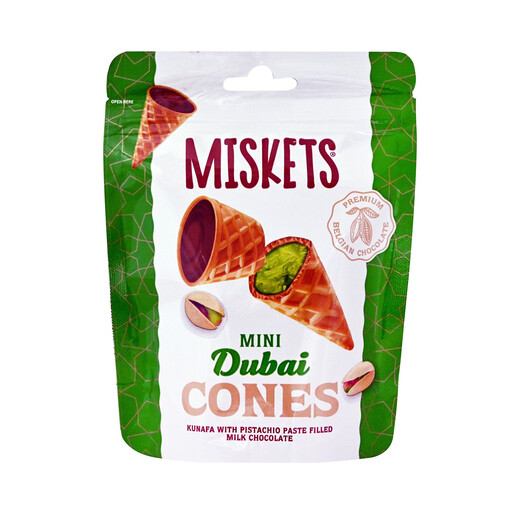
Why this suits this profile: This product combines milk chocolate, 14% pistachio and kataifi in an original format, designed for a more sophisticated tasting experience.
The product page details the pistachio content, the filling composition and the allergens, rather than relying solely on a trendy name.
A crunchy cornet, a pistachio filling and the declared presence of kataifi, milk, eggs, sesame and soya.
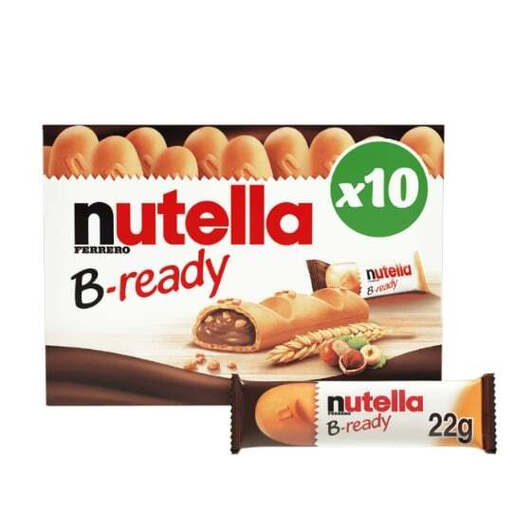
Why this suits this profile: The 10 portions of 22 g are ideal for households, offices or events where you want simple, regular servings.
The number of bars and their individual weight are specified, making it easy to calculate portions and assess your stock.
10 wafers of 22 g, a filling stated at 81.5% and packaging suitable for eating on the go.
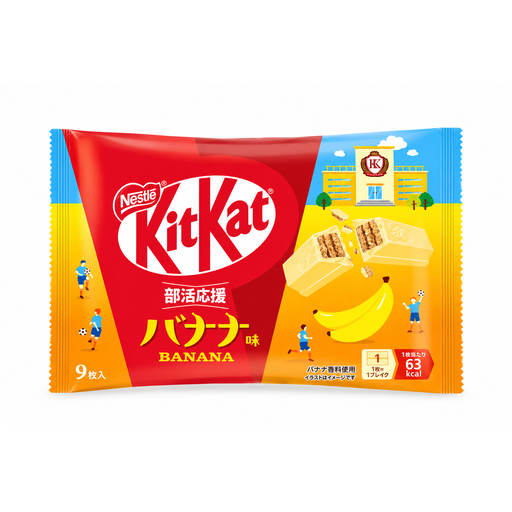
Why this suits this profile: This Japanese format lets you discover the combination of banana, wafer and chocolate coating, with several mini portions.
The country of origin, total weight and allergens — wheat, milk and soya — are listed, helping you better understand this Japanese snack.
104.4 g total, mini banana-flavoured wafers and a product stated as made in Japan.
We've put together a comprehensive, real-time updated list of products that meet these strict selection criteria and European safety regulations.
Store it in a cool, dry place away from heat sources and direct light. Seal the packaging carefully and respect the date on the packet. After opening, the texture may change, especially if the product is exposed to moisture.
Formats made up of several individually wrapped units are handy for putting together an assortment of chocolates. Japanese KitKats, Pocky and other chocolate biscuits let you vary textures and flavours. However, do remember to check the allergens, the language of the available information and the best before date.
The price depends on the weight, number of portions, origin and shipping costs. Always compare the price per kilogram, without forgetting any delivery charges. A multipack can be good value for regular consumption, while a 40 to 50 g format is better for a one-off try.