
Livraison le jour même ou le lendemain

Qualité garantie

Débloquez vos offres de bienvenue: Livraison GRATUITE | Jusqu'à -80 % | 30 jours d'essai gratuits à JoyPlus
Téléchargez l'application
International biscuits and snacks let you mix up your treat breaks without waiting for your next trip abroad. French biscuits, Asian specialities, Middle Eastern sweets or practical products for an event: the range is vast, but the packaging doesn’t always make comparison easy.
Before you buy, three common pitfalls to watch out for:
The word ‘biscuit’ covers very different experiences. A French butter biscuit is usually enjoyed plain or with a hot drink. A filled biscuit offers a softer centre, like the fig paste in LU Figolu. A wafer relies on the contrast between crisp layers and a melting cream.
To choose based on what you fancy:
Texture descriptions are only a guide, though: freshness also depends on storage conditions and how long the pack has been open.
For a family, a shared snack or a buffet, compare the net weight and number of portions. A 400 g box is better suited to sharing than a 35 g packet. On the other hand, smaller formats limit exposure to moisture once opened.
Also match the format to how you plan to use it:
For children, check the bite size and any recommendations on the packaging. Some products should be consumed under adult supervision.
European regulations require allergens to be listed in the ingredients. For imported products, pay particular attention to gluten, milk, soya, eggs, peanuts, nuts and sesame.
Nutritional values are usually given per 100 g. This allows you to compare products more objectively than relying on marketing claims. For example, Bin Bin rice crackers contain 0.7 g of salt per 100 g, while DORKBUA mala-flavoured biscuit sticks have 2 g of salt per 100 g. These details can guide your choice if you’re looking for a more or less pronounced savoury flavour.
For drinks and mixes, also check the colourings and flavourings. YOD instant Thai tea contains colourings E110 and E102, along with a regulatory warning about their effect on children’s activity and attention. Always refer to the product page and packaging before consuming.
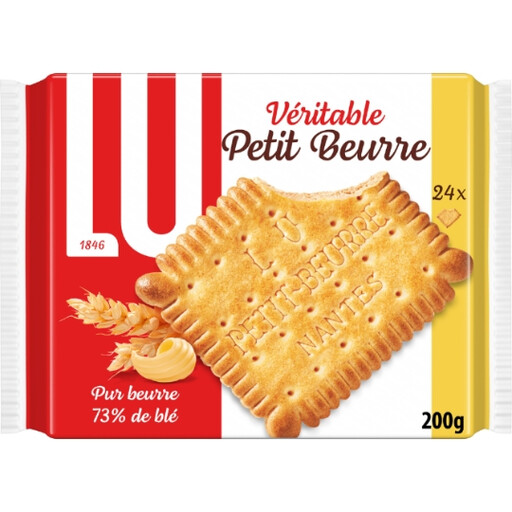
Why this choice suits this profile: This 200 g format lets you try a well-known French classic without committing to a large quantity. The biscuits can be enjoyed plain or with a hot drink.
The net weight and nutritional information are clearly stated, making it easy to compare with other French biscuits.
200 g, contains butter, and origin France stated on the product page.
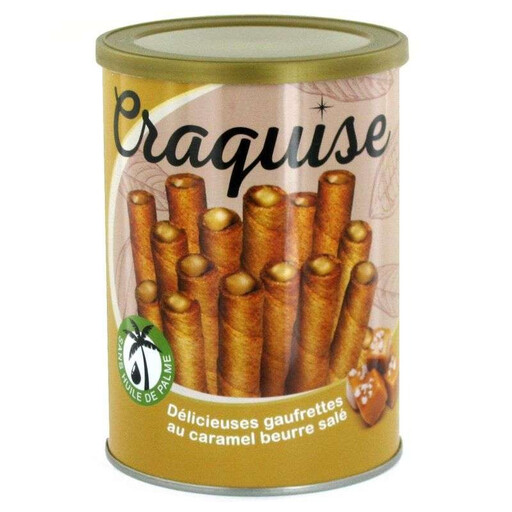
Why this choice suits this profile: Its 400 g metal tin is perfect for enjoying with a coffee or tea, while offering an elegant presentation for a gift.
The container protects the wafers better after opening, provided you reseal it properly and follow the storage instructions.
400 g, decorative tin, salted-butter caramel filling, and made in France stated.
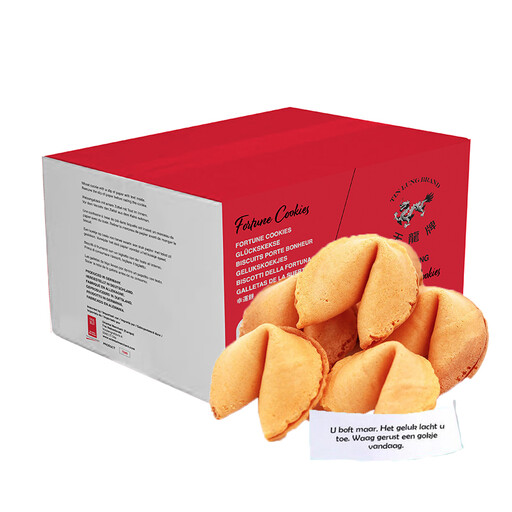
Why this choice suits this profile: The 250-piece pack is designed for restaurants, caterers, weddings, promotional events and large gatherings.
The quantity is given in number of pieces, making it easy to estimate your needs before a reception or service.
250 fortune cookies, hidden messages, allergens related to gluten and soya listed on the product page.
Fans of Asian snacks can also put together their own assortment with Bin Bin rice crackers, Glico Collon chocolate or strawberry biscuits, crispy cinnamon and brown sugar balls, and YOD instant Thai tea. For a more intense flavour, DORKBUA mala-flavoured biscuit sticks combine chilli, pepper and spices: its salt content, however, deserves a careful read of the label.
Keep them in a cool, dry place away from direct light. Seal the packet carefully or transfer the biscuits to an airtight container to preserve their crunch. Wafers and crackers are particularly sensitive to moisture.
Consider the number of guests, how many pieces per person, and allow a reasonable margin. Fortune cookies in a 250-piece lot are ideal for large gatherings, while an assortment of world snacks in small formats offers varied tasting.
No. Recipes may contain gluten, milk, soya, eggs or nuts. Always check the ingredients list, highlighted allergens and the information on the packaging before buying or serving.