
Livraison le jour même ou le lendemain

Qualité garantie

Débloquez vos offres de bienvenue: Livraison GRATUITE | Jusqu'à -80 % | 30 jours d'essai gratuits à JoyPlus
Téléchargez l'application
Fancy a change from your usual afternoon snack, putting together a biscuit selection or discovering Asian snacks without one disappointment after another? Searching for biscuits and snacks from around the world lets you compare French, Japanese, Korean and Chinese recipes. But it pays to look beyond the attractive packaging.
Before ordering online, there are three potential pitfalls to watch out for:
Check the ingredients list before buying, especially if you’re shopping for children or for someone with an allergy or intolerance. In the European Union, allergens that must be declared have to be highlighted on the label. Look out in particular for gluten, milk, soya, eggs, nuts, peanuts, sesame and crustaceans.
A fruit biscuit doesn’t necessarily have the same ingredients as a filled biscuit. For example, LU Chamonix Orange contains 5% orange pulp and 1.4% concentrated orange juice, while LU LULU Barquette contains 27% strawberry purée. These percentages make it easier to compare recipes in real terms, rather than relying on the picture on the packet.
The word “biscuit” covers a wide range of experiences:
To keep them crisp, reseal opened packets carefully and store them somewhere dry, away from heat and direct sunlight.
Compare the net weight, number of packets and nutritional values per 100 g. This is more reliable than judging the packet size at a glance. As a guide, the products featured here have quite different nutritional values: LU Chamonix Orange contains 350 kcal per 100 g, compared with 561 kcal per 100 g for Kinder Country biscuits.
This isn’t nutritional advice, but it is useful information to help you choose what suits the occasion. Individual portions make it easier to divide up snacks and manage supplies for a child’s afternoon snack. For sharing, a selection of biscuits in different sizes and textures makes for a more interesting spread.
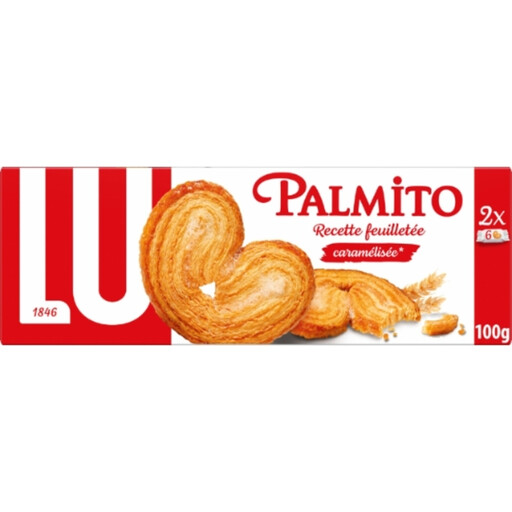
Why it suits this shopper: The 100 g pack lets you try a crisp, caramelised texture without ending up with a bulky stash.
The net weight is clearly stated, and the recipe specifies 54 % wheat flour. Store in a dry place.
A flaky biscuit with caramel notes, containing 533 kcal and 1.4 g of salt per 100 g according to the product information provided.
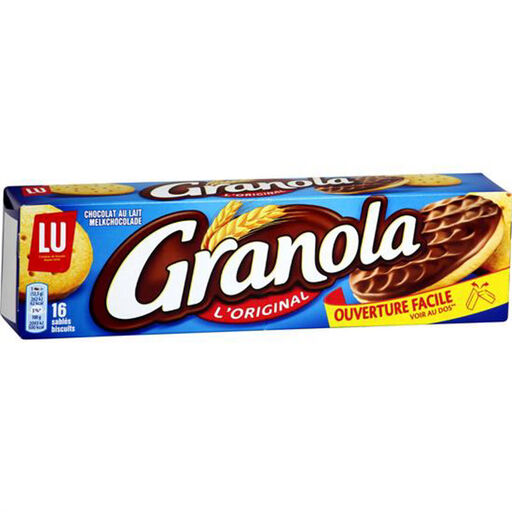
Why it suits this shopper: It pairs a crunchy shortbread biscuit with a milk chocolate coating, making it a particularly indulgent treat or a sociable snack to share.
The ingredients list details the allergens, including wheat, milk and soya, and notes that traces of nuts may be present.
A 200 g pack, with 23 g of fat and 28 g of sugars per 100 g according to the available information.
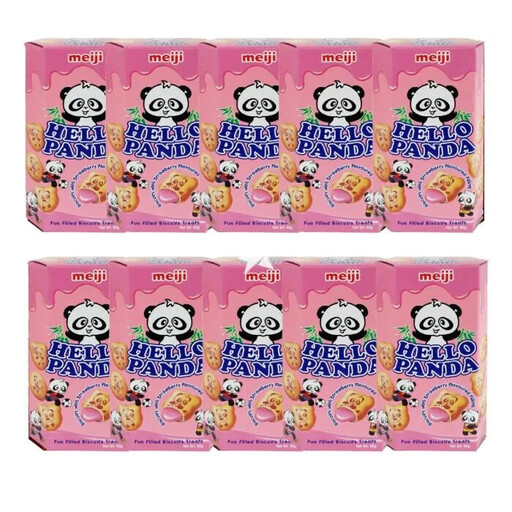
Why it suits this shopper: The pack of 10 x 50 g packets is handy for regular snacks, lunchboxes and discovering Japanese biscuits.
The individually wrapped portions mean you don’t have to keep reopening a large packet, and make the biscuits easier to store.
A strawberry-filled biscuit listed as being of Japanese origin, with 267 kcal per 50 g portion.
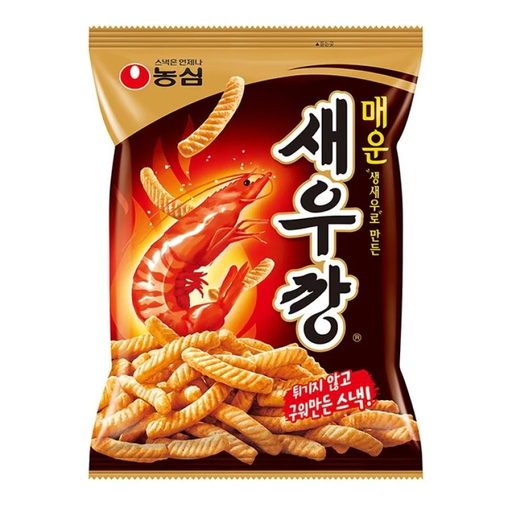
Why it suits this shopper: This Korean snack is a spicy, savoury alternative to sweet biscuits, perfect for drinks and nibbles or an Asian-themed tasting session.
The prawn content is stated as 5.7 %, and the allergens include wheat, crustaceans, soya and milk.
A 75 g bag with a crunchy texture, containing 510 kcal and 1.45 g of salt per 100 g according to the product information.
We’ve put together a comprehensive selection, updated in real time, of products that meet these strict criteria and the requirements of European safety regulations.
Keep them in a cool, dry place away from light. Reseal the packet carefully or transfer the biscuits to an airtight container. Wafers and filled biscuits soften more quickly when exposed to moisture.
Start by checking the allergens, pack size and how easy the biscuits are to carry. Individual portions, such as those in the Meiji Hello Panda pack, make it easy to portion out snacks. To make an informed choice, compare the sugar and fat content per 100 g too, rather than relying solely on the claims on the front of the packet.
Go for variety: a chocolate biscuit, a fruit biscuit, a wafer or a Japanese snack, followed by a savoury option such as Nongshim Shrimp Cracker. Before you check out, check the net weights, the dates shown on the packaging and the storage instructions.