
Livraison le jour même ou le lendemain

Qualité garantie

Débloquez vos offres de bienvenue: Livraison GRATUITE | Jusqu'à -80 % | 30 jours d'essai gratuits à JoyPlus
Téléchargez l'application
Fancy trying some Japanese biscuits, Asian snacks, German specialities or American confectionery without buying blind? The range of biscuits and snacks from around the world has expanded considerably in the UK. But with colourful packaging and tempting promises, it’s not always easy to know what you’ll actually find inside the packet.
Three common pitfalls keep cropping up:
To choose chocolate biscuits, filled biscuits, wafers or sweet and savoury snacks, it’s best to look at the format, the composition and the type of eating experience you’re after.
International biscuits can offer very different experiences. A wafer plays on crispiness and layered textures, whereas a filled biscuit focuses more on a soft, melting feel. Rolls like Glico Collon combine a thin shell with a creamy centre. As for Pocky sticks, they’re easy to nibble on, whether you’re sharing or not.
To avoid unpleasant surprises, look for precise descriptions: crunchy biscuit, soft centre, milk coating, cream, cocoa powder or fruit pieces. Texture can also change after opening. Some products are best eaten quickly to keep their crunch.
In the UK and the European Union, allergens must be clearly highlighted on the label. In particular, check for wheat or gluten, milk, soya, eggs, peanuts, tree nuts, sesame and crustaceans.
Bergen wafer products, for example, contain wheat, milk and soya. DORKBUA biscuits may contain wheat and include spicy seasonings. Nongshim savoury snacks, meanwhile, list prawns, wheat, soya and lactose. If you have an allergy, the label on the product you receive is the only reference to consult before tucking in.
Compare the net weight, the number of portions and the storage instructions. An individual pack of 40 to 45 g is ideal for a quick break, while a 120 to 211.5 g format is more practical for sharing.
Nutritional values per 100 g allow you to compare products on a common basis. However, they don’t necessarily reflect the amount you’ll eat in one go. A snack can be high in sugars or fats yet still have its place as an occasional treat within a balanced diet.
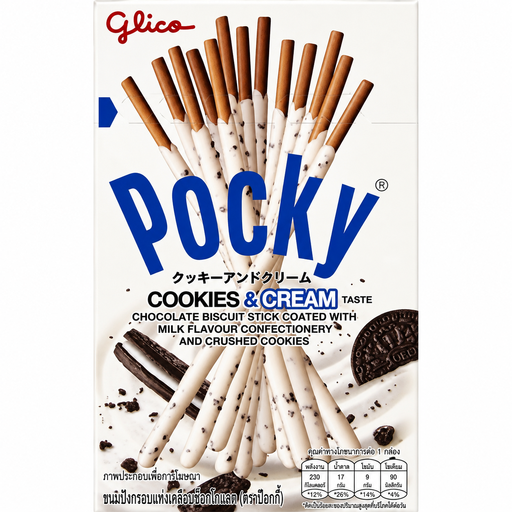
Why this fits the profile: At 45 g, this format lets you discover a Japanese speciality without being left with a large packet. The sticks are easy to enjoy with a coffee, a tea or as a little treat.
The net weight is clearly stated and the product is ready to eat. Storing it in a cool, dry place helps preserve its texture before opening.
Crunchy sticks, a cookies and cream coating, and declared presence of wheat, milk and soya.
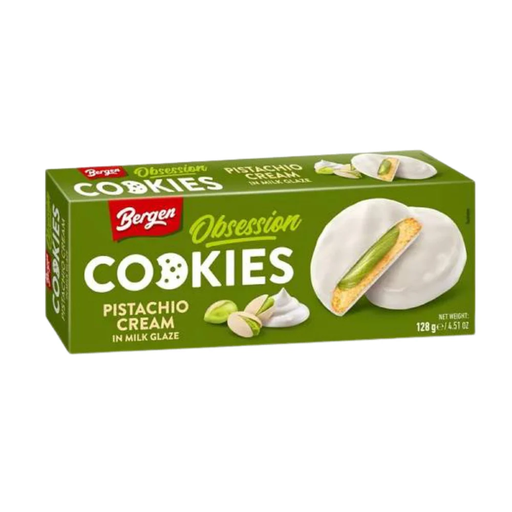
Why this fits the profile: This German wafer combines a pistachio cream with a milk coating. A more sophisticated option than a standard biscuit, ideal for taking your time to savour it.
The description details the texture, filling, coating and allergens, rather than relying solely on the flavour name.
A 128 g format, pistachio, cream, milk coating and the characteristic crunch of a wafer.
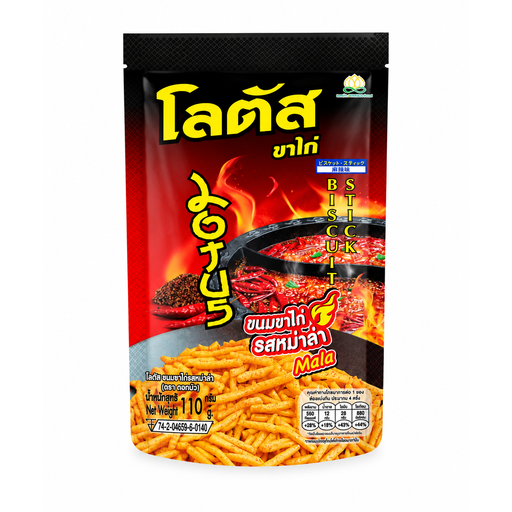
Why this fits the profile: This Thai snack is aimed at fans of savoury, spicy and bold flavours. At 110 g, it’s easy to share with others.
The flavour profile is clearly stated: mala spices, chilli and pepper. The salt content of 2 g per 100 g also provides a useful reference before buying.
Crunchy sticks, a spicy recipe, a 110 g format and a product that’s ready to eat.
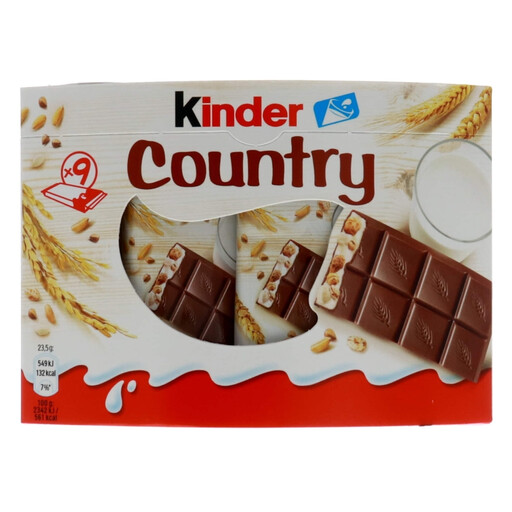
Why this fits the profile: The 9 individually wrapped bars are easy to hand out at home, at the office or for a snack. No need to open the whole pack at once.
The number of portions and total weight are clearly stated. Each bar combines milk chocolate and puffed cereals, with no ambiguity about what’s inside the pack.
9 portions, 211.5 g total, milk chocolate and puffed cereals. Declared allergens: gluten, milk and soya.
We’ve put together a comprehensive, regularly updated selection of products that meet these criteria, while also taking European food safety regulations into account.
Most of these products should be kept in a cool, dry place, away from sunlight and heat. Avoid the fridge unless the packaging specifically recommends it: moisture can soften biscuits and make them lose their crunch. After opening, seal the packet carefully and follow the recommended consumption period, especially for smaller formats like Glico Collon or Pocky.
Look at the price per weight, not just the price on the packet. An individual format often works out more expensive per kilogram, but it can reduce waste if you just want to try a new flavour. For a family or a get-together with friends, formats from 110 to 211.5 g are generally more practical. Also consider the number of portions, the product’s origin and any delivery charges.
Start by checking the highlighted allergens list, then look for the “may contain traces of” statement. The recipes featured here may contain wheat, milk or soya. Some savoury snacks also list prawns, peanuts or sesame. If you have a severe allergy, the label on the product you receive and the information provided by the manufacturer should always take precedence over any marketing description.