
Livraison le jour même ou le lendemain

Qualité garantie

Débloquez vos offres de bienvenue: Livraison GRATUITE | Jusqu'à -80 % | 30 jours d'essai gratuits à JoyPlus
Téléchargez l'application
A thoughtfully planned interior lighting scheme can completely transform a room, turning a cold space into a warm, functional haven. But when faced with a dizzying array of options, it's easy to make a purchase you'll later regret. To avoid common pitfalls, let's review the classic mistakes and the criteria that truly make a difference.
To make the right choice, understanding a few technical basics will make all the difference. This knowledge is the key to decoding labels and finding the product that perfectly fits your needs.
Forget Watts, which only measure energy consumption. The real power of a bulb is its lumen (lm) count. The higher this number, the brighter the light.
Colour temperature, expressed in Kelvin (K), defines the "colour" of white light, ranging from warmest to coolest.
The CRI (Colour Rendering Index) rates a bulb's ability to render colours accurately on a scale of 100. To prevent your decor or even your food from looking dull and washed-out, aim for a CRI above 80: it's the bare minimum for a natural look.
To help you see things more clearly, here are a few smart solutions designed for very specific needs.
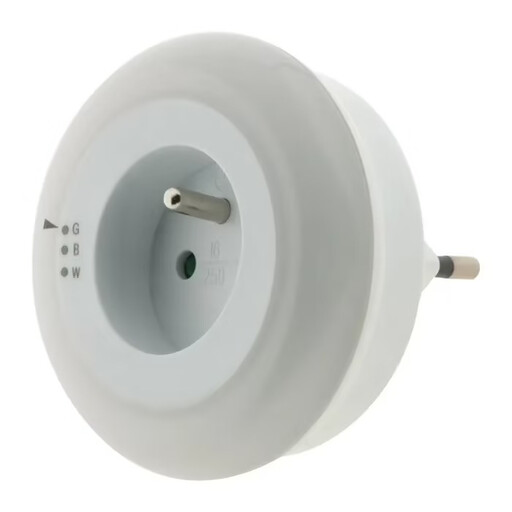
Why we chose it: Ideal for lighting the way at night in a hallway or a child's room. This children's night light provides reassurance without disturbing sleep and, best of all, it doesn't block the electrical outlet.
It doesn't pretend to be a primary light source. It's a highly specialised automatic night light that turns on by itself when the light fades, preventing any wasted energy.
Its passthrough design, which leaves the wall outlet free, is a huge plus. Its negligible consumption (0.5 W) makes it virtually free to run.
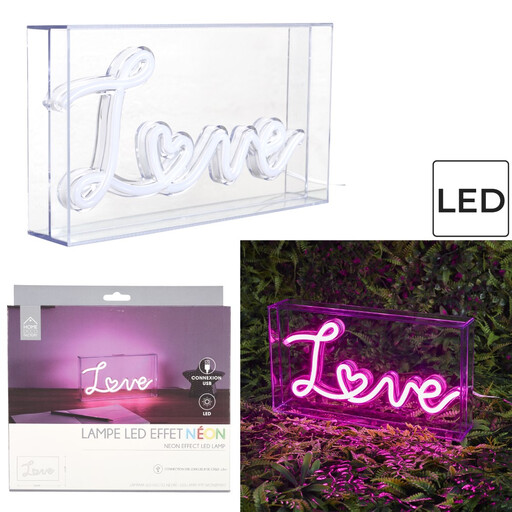
Why we chose it: For those who see a light fixture as a decorative object in its own right. Placed on a shelf, a bedside table, or a console, this designer lamp adds a pop of romantic flair.
It fully embraces its role as a decorative lamp. Its mission isn't to light up the room, but to create a visual focal point and a specific mood. It sidesteps the "pretty but useless" trap because its purpose is purely aesthetic.
Its USB power supply allows you to place it anywhere, without being tied to an outlet. Its modern take on the neon effect is a fun alternative to more traditional accent lamps.

Why we chose it: The perfect accessory for reading in bed or while travelling without disturbing anyone. This portable reading light offers targeted, adjustable illumination while keeping your hands free.
It's the exact opposite of an all-in-one fixture. Designed for a single task, it performs it perfectly: providing precise light that reduces eye strain, with no unnecessary spill.
Its ergonomic, hands-free design is obviously its best selling point. Lightweight, portable, and rechargeable, it's the ideal travel companion for readers on the go.
For a touch of originality, some light fixtures break the mould. We've unearthed a selection of gems that combine playful design with safety.
An LED ceiling light with an integrated light source promises an exceptionally long lifespan, often rated by the manufacturer at between 20,000 and 50,000 hours. Based on 4 hours of use per day, that's over 15 years of peace of mind! The only drawback: since the bulb isn't replaceable, the entire fixture must be replaced when it reaches the end of its life.
Safety first! Opt for a children's night light that operates on extra-low voltage (via USB or batteries) or a plug-in model made from sturdy, cool-to-the-touch materials. The presence of the CE mark is essential, as it guarantees the product complies with European standards. Models with a dusk-to-dawn sensor are a bonus, as they turn on and off automatically.
Yes, and it's actually a great strategy for creating a layered lighting scheme! In a living room, for example, you can combine a neutral white (~3,000 K) ceiling light for general illumination with warm white (2200-2700 K) accent lamps to create a reading nook or a more intimate atmosphere. This modularity allows you to adapt the room's mood for any time of day.