
Livraison le jour même ou le lendemain

Qualité garantie

Débloquez vos offres de bienvenue: Livraison GRATUITE | Jusqu'à -80 % | 30 jours d'essai gratuits à JoyPlus
Téléchargez l'application
As a pet owner, you're always looking for ways to enrich your companion's daily life, provide stimulation, and strengthen that unique bond you share. Interactive pet toys have become the ideal solution for channelling their energy and staving off boredom. But there's a catch: the market is flooded with gadgets that make enticing promises but often fall short. To prevent your good intentions from turning into buyer's remorse, let's review the most common traps.
Before you make your choice, it's best to know the pitfalls that can turn a well-intentioned purchase into a complete waste of money.
Identifying these issues is a good start. The next step? Knowing exactly which criteria to examine closely.
To help you see more clearly, we've summarised the three fundamental points to check before you head to the checkout. The goal is to choose a product that is not only fun but also safe and perfectly suited to your pet.
It all starts with the material. This determines the toy's sturdiness and, therefore, its safety. A durable toy for a powerful dog will obviously not be made from the same materials as a toy for a cat.
A good interactive toy should stimulate your pet physically as well as mentally.
For electronic toys, battery life is a decisive factor. Models rechargeable via USB-C, which are becoming increasingly common, are far more convenient and economical than battery-operated versions.
Maintenance is also crucial, especially for toys that come into contact with food. Make sure the toy is easy to disassemble and clean to ensure impeccable hygiene. Finally, regardless of the toy, inspect it very regularly for any signs of wear and tear, and put it away if it poses a risk.
To guide you, here are a few products that meet specific needs, all validated against our safety and stimulation criteria.
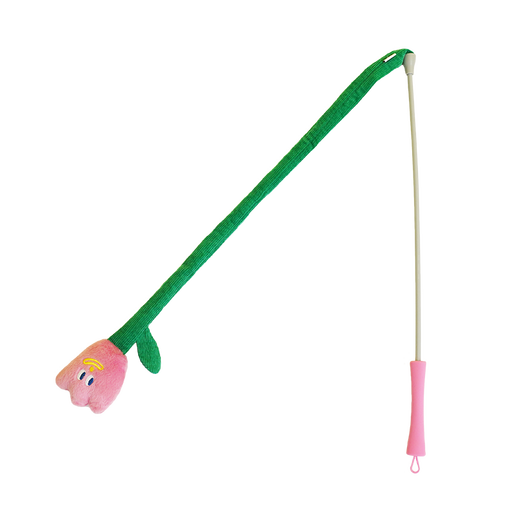
Why we love it: Perfect for sharing a bonding playtime session with your cat. This wand stimulates their hunting instinct with movements you control, strengthening your connection.
It sidesteps the trap of repetitive interactivity. The interchangeable attachments (tulip, caterpillar) and integrated crinkle paper keep the cat's interest fresh, while the flexible wand allows for varied and unpredictable movements.
The felt and corduroy materials are designed to withstand scratches and bites, ensuring better longevity than classic feather wands that fall apart in no time.
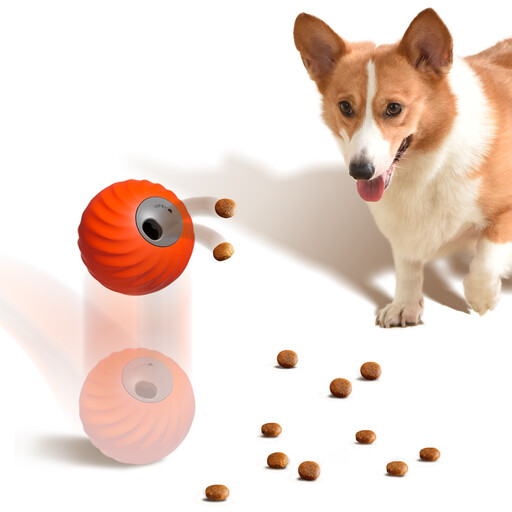
Why we love it: Perfect for keeping a dog occupied when left alone. This toy combines physical exercise with mental stimulation, helping to reduce separation anxiety and destructive behaviours caused by boredom.
It avoids the limited interactivity trap thanks to a smart algorithm that generates realistic and unpredictable bounces and jumps. Its dual function as a bouncing ball and treat dispenser keeps the dog engaged.
Its sturdy construction is designed to withstand chewing, and its plush cover is replaceable. The USB-C charging ensures simple and long-lasting use.
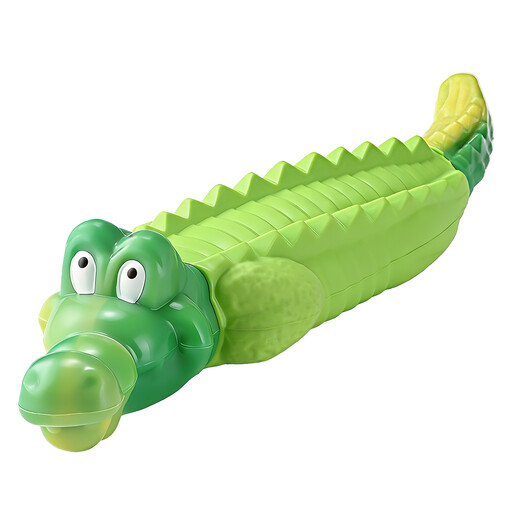
Why we love it: Specially designed for medium to large dogs with an intense need to chew. Its size and sturdiness are perfect for channelling that energy... and saving your furniture.
It directly addresses the false durability trap. Its dual-layer structure, with a rigid nylon core and a flexible natural rubber coating, is engineered to withstand prolonged and powerful chewing.
The crocodile shape with a 3D texture makes it easy for the dog to grip. The outer natural rubber is designed to be flexible and reduce gum irritation.
We have put together a complete selection of products that meet our selection criteria and current safety standards.
There's no hard and fast rule, as it all depends on the toy's durability and your pet's chewing intensity. The important thing is to inspect the toys very regularly, ideally after each play session. At the slightest sign of damage (a crack, a detached piece, exposed stuffing), throw the toy away to eliminate any risk of ingestion or choking.
Yes, provided they are used intelligently. An automatic laser toy for cats, like the Petsafe ZIP, is designed to project a low-intensity beam and turn off automatically after 10-15 minutes to prevent overstimulation. The main drawback of a laser is the frustration: the cat can never "catch" its prey. The best practice? End the session by pointing the laser at a physical toy (like a plush mouse) that the cat can finally capture to end their "hunt" on a successful note.
For this type of toy, hygiene is paramount. Most models made of hard plastic or rubber can be hand-washed with warm water and mild soap. Use a small brush to get into the nooks and crannies. Rinse thoroughly and make sure the toy is completely dry before refilling it to prevent mould growth. Some models are even dishwasher-safe (top rack), but always check the manufacturer's instructions.