
Livraison le jour même ou le lendemain

Qualité garantie

Débloquez vos offres de bienvenue: Livraison GRATUITE | Jusqu'à -80 % | 30 jours d'essai gratuits à JoyPlus
Téléchargez l'application
A bored dog is often a destructive dog: chewed furniture, nuisance barking, anxiety... For their well-being, mental stimulation is just as essential as physical exercise. The interactive dog toy is the perfect solution to channel their energy, add excitement to their day, and strengthen your bond.
But with an overwhelming number of options on the market, making the right choice isn't easy. This guide is here to help you find the perfect toy for your companion's needs, based on clear criteria and practical uses.
Before diving into our top picks, let's review the key factors to consider to make the right choice and ensure playtime is a truly enjoyable experience for your pet.
Not all dogs have the same concentration span or experience with puzzle games.
Your pet's safety is non-negotiable. Ensure the materials are non-toxic (preferably free of BPA, PVC, or phthalates). The toy must be sturdy enough to withstand your dog's jaws and have no small, detachable parts they could swallow. Remember to inspect it regularly for any signs of wear and tear.
An enrichment toy for dogs can serve several purposes:
Let's get to the specifics with a few models that caught our eye, each designed for very specific needs.
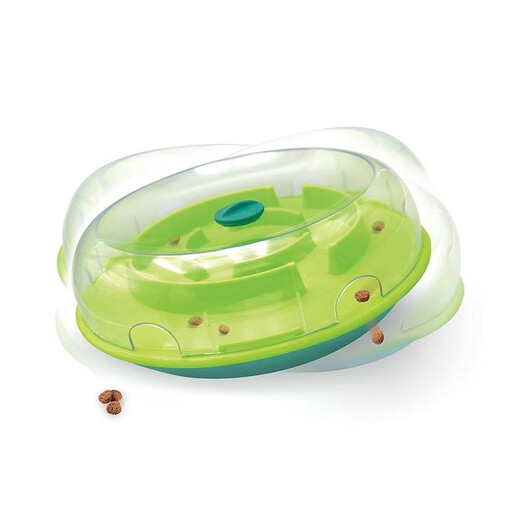
Why it stands out: Its dual purpose — puzzle game and slow-feeder bowl — makes it an incredibly clever accessory. The dog has to push and wobble the bowl to release kibble through the openings, turning mealtime into a fun and engaging game.
Advantages:
Who is it for? This is an excellent entry point into the world of dog puzzles. It's ideal for fast eaters who devour their food in seconds or for dogs needing simple yet effective enrichment during meals.
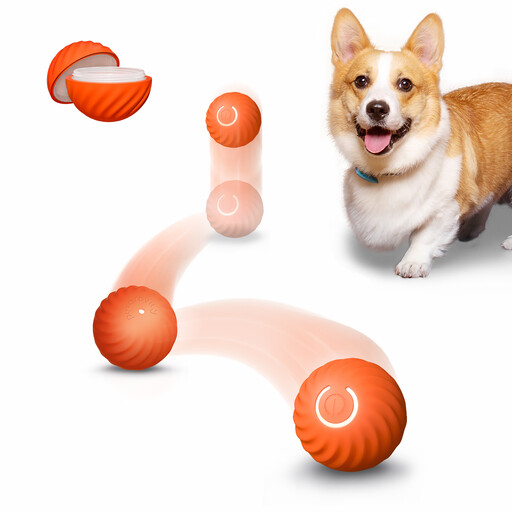
Why it stands out: This smart dog ball uses an algorithm to generate completely unpredictable bouncing and rolling patterns, guaranteed to trigger your pet's hunting instinct. Since it moves on its own, it keeps them entertained even when you're not there to play fetch.
Advantages:
Who is it for? Ideal for small, high-energy dogs that need both physical and mental exercise. It's an excellent option for keeping them dynamically engaged indoors.
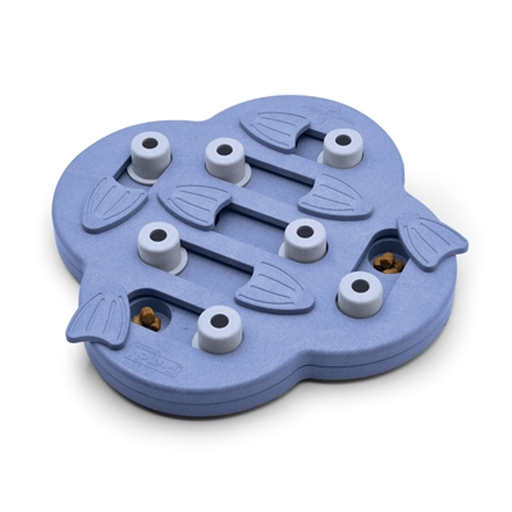
Why it stands out: From Nina Ottosson, a leading name in canine games, this dog puzzle is a real brain teaser. The dog must learn to pivot the flippers and slide the blocks to uncover treats hidden in the compartments.
Advantages:
Who is it for? This game is for dogs already familiar with puzzles or those who are very quick learners. It's the perfect tool to take your dog's mental stimulation to the next level.
While puzzle games are essential, some dogs have an unstoppable urge to run, jump, and fetch. Physical activity remains a cornerstone of their well-being. For these bundles of energy, fetch toys are an unparalleled source of joy and exercise.
For those bonding moments outdoors, take a look at our range of dog fetch toys: you'll find balls, frisbees, and other accessories designed for open-air play.
Observe your dog: if they give up quickly, get frustrated, bark, or try to destroy the toy instead of solving it, the level is likely too high. Always start with a simple model to teach them the basics and build their confidence.
It all depends on the dog and the toy. A puzzle feeder can be used daily at mealtimes. For a complex puzzle, sessions of 10 to 15 minutes per day are usually enough to provide a good dose of mental stimulation without the risk of them getting bored.
The golden rule: always supervise your dog during the first few uses. This is the only way to ensure they are playing correctly and safely. Once you are certain they won't damage it or swallow any pieces, some very durable toys (like kibble dispensers) can be left with them for short periods. However, puzzles with removable parts should never be used without supervision.