
Livraison le jour même ou le lendemain

Qualité garantie

Débloquez vos offres de bienvenue: Livraison GRATUITE | Jusqu'à -80 % | 30 jours d'essai gratuits à JoyPlus
Téléchargez l'application
An interactive dog toy helps keep your companion occupied while you're away, adds structure to playtime, or satisfies their need for sniffing, exercise and chewing. But you still need to pick a model that's right for their size and habits. A small ball can be swallowed by a dog that chews vigorously, while a fabric squeaky toy may not hold up long against powerful teeth.
Before you place an order, it's worth looking beyond the marketing claims and checking three essential points: size, material and the type of activity you're after.
Claims like "bite-proof", "durable" or "tough" usually refer to the toy's design or material. They don't guarantee the same lifespan for every dog. An animal that chews intensely can damage a toy in just a few sessions.
Never leave your dog alone with a toy from which pieces could come loose. Check the seams, ropes, squeakers and electronic components before and after each use.
Breed alone isn't enough to determine the right size. Your dog's weight, jaw width and how they pick up objects are just as important. A ball that's too small could be swallowed. Conversely, a toy that's too big will be hard for a puppy or small dog to carry.
So the dimensions given in centimetres need to be matched against your pet's habits, especially when it comes to a dog ball or a fetch toy.
A treat-dispensing toy, a snuffle mat and a bouncing ball don't serve the same purpose. The first encourages food-seeking, the second works on scenting and patience, while the third is all about movement and chasing.
To stop your purchase ending up at the back of a cupboard, start by identifying the main situation: a dog that's bored at home, a need to burn energy outdoors, frequent chewing, or play sessions to share with their owner.
For a small dog toy, go for a shape that's easy to grip, with no small removable parts within reach. For a medium or large dog toy, choose a structure that's wide enough to reduce the risk of the object being completely engulfed in their mouth.
A dog that's particularly mouthy will generally need a dense material, such as nylon or a nylon-and-rubber blend. That doesn't mean you can skip regular inspections. Fabric, rope or soft latex models can work for fetching, retrieving or short interactions, but replace them as soon as they fray or tear.
Check the composition: natural rubber, nylon, braided fabric, polyester, EVA plastic and electronic components all require different care and precautions. A toy that can be washed with water will be especially handy outdoors, while a snuffle mat should be cleared of crumbs after each session.
Cleaning instructions are also worth your attention. Some models can simply be wiped with a damp cloth, others can be rinsed or placed in the top rack of the dishwasher. Always follow the instructions and avoid harsh household cleaners, boiling water and submerging any electronic module.
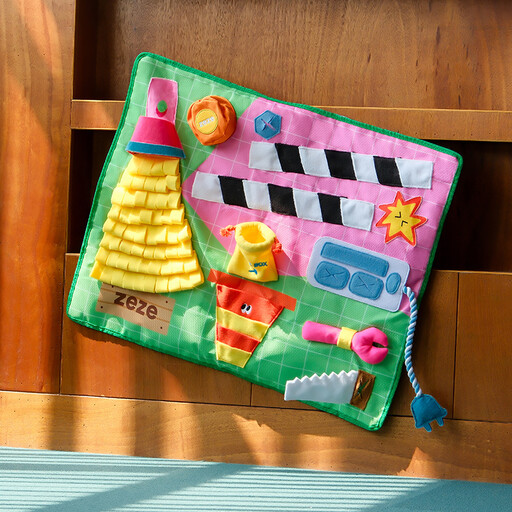
Why this choice suits this profile: With its dimensions of 70 × 57 cm and various compartments, this mat offers a simple introduction to scent games using dry kibble or small treats.
It doesn't rely on any claim of chew resistance – its role is clearly to stimulate scenting and food-seeking.
Multiple folds and compartments, textile design, and recommended storage in a dry place.
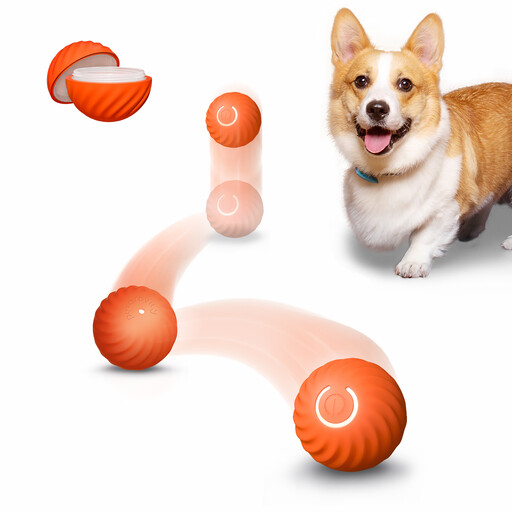
Why this choice suits this profile: Rechargeable via USB-C, this model offers two play modes and a removable plush cover, giving you variety for indoor use.
Its size is designed for small dogs and its battery is rechargeable. However, it's not recommended for dogs that chew aggressively.
Unpredictable bounce algorithm, two play modes, removable cover and USB-C charging.
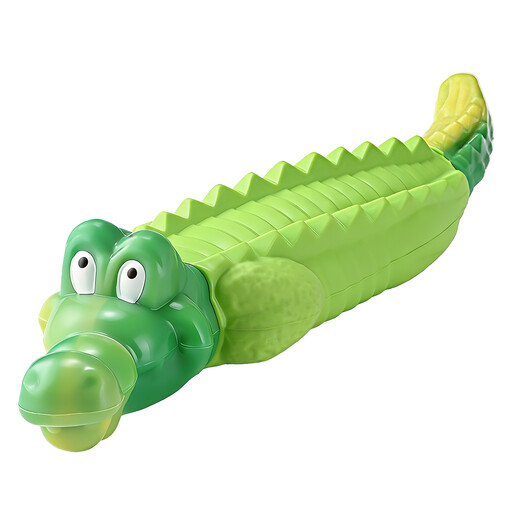
Why this choice suits this profile: Its dual structure of nylon and natural rubber, plus its 24 × 6 cm size, make it suitable for medium and large dogs.
The manufacturer specifies the usage limits and recommends replacing the toy as soon as it's heavily worn or damaged.
Nylon core, natural rubber coating, crocodile shape, and can be used for fetching or retrieving.
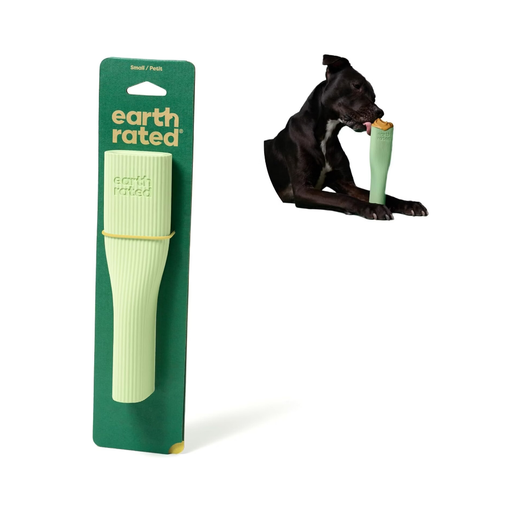
Why this choice suits this profile: This 17.8 × 5.1 cm toy can be filled with dry or wet food, then placed in the freezer to extend the fun.
It combines occupation with controlled dispensing, rather than just offering a distraction without real interaction.
Natural rubber, ridges for easy grip, freezer-safe and top-rack dishwasher safe.
We've put together a full, up-to-date selection of products that meet these demanding criteria and European safety standards.
Start with a few minutes, especially with a puppy or when using a snuffle mat. Watch their behaviour and remove the toy immediately if they tear it or try to swallow a piece. If all goes well, gradually increase the length of the sessions.
Choose a model where the manufacturer clearly states the material and recommended size, for example a nylon and rubber combination for a medium or large dog. Even a chew toy for dogs that's marketed as tough needs to be checked regularly. Squeaky toys and fabric models are generally not designed for intensive chewing.
A rechargeable electronic model runs on battery, but its consumption depends on how often you use it and how long it takes to recharge. With a USB-C bouncing ball, also keep an eye on the cable while charging. Snuffle mats, treat-dispensing toys and standard balls don't need any power, which makes them simpler for everyday use.