
Livraison le jour même ou le lendemain

Qualité garantie

Débloquez vos offres de bienvenue: Livraison GRATUITE | Jusqu'à -80 % | 30 jours d'essai gratuits à JoyPlus
Téléchargez l'application
An interactive dog toy can encourage bonding, keep your pet occupied at home and provide entertainment when you are out and about. However, not every model is suitable for the same activities. A soft rope, a dog chew toy or a ball designed for throwing all require different materials and shapes.
Before placing your order, take the time to check the dimensions, stated durability and instructions for use. Here are the most common mistakes, the key criteria to consider and a selection of toys suited to different types of dogs.
The phrase ‘bite-resistant’ does not mean that a toy will suit every dog that enjoys chewing. Jaw strength, playing style and frequency of use all have a direct impact on how quickly it wears out.
A fabric toy may be perfectly suitable for a game of fetch under supervision, but could be torn apart within minutes by a dog that spends a long time chewing. Conversely, a nylon dog toy will generally be firmer, but may not suit an animal that tries to tear pieces off it.
A toy that is too small may be difficult to pick up or could become dangerous if your dog tries to swallow it. On the other hand, an oversized toy may be awkward to hold in the mouth and make play less enjoyable.
Compare the dimensions with your pet’s build rather than relying solely on the phrase ‘all breeds’. For a medium to large dog, a length of 24 cm, such as that of the Blinkit NL01038 model, does not offer the same grip as a 14 cm ball designed for small and medium-sized dogs.
A toy marketed as suitable for chewing, tugging and fetching may indeed be versatile, but each function has its limits. A rope is designed to be held and pulled. A toy for throwing and fetching should remain visible and easy to pick up. As for a boredom-busting dog toy, it should offer a texture, shape or sound stimulating enough to hold your dog’s attention over time.
Versatility is therefore a real advantage, provided you follow the manufacturer’s recommendations and keep an eye on your pet.
Natural rubber for dogs generally offers a soft, flexible texture, while nylon for dogs is more rigid. A design that combines both materials can provide a variety of sensations in the mouth. According to its product details, the Blinkit NL01038 combines a nylon core with a natural rubber outer layer.
Rope toys are particularly well suited to tug-of-war and interactive play sessions. However, inspect frayed fibres regularly and discard the toy if strands start to come loose. Fabric models or toys fitted with a squeaker require even closer supervision as soon as your dog tries to tear them open.
A textured surface, handle or curved shape can make a toy easier to hold. With an interactive dog tug toy, two handles provide a comfortable distance between your hand and your pet’s mouth. They also make play more comfortable for the owner.
For throwing, choose a clearly visible shape that is light enough and suitable for your dog’s size. Squeaky toys can attract your dog’s attention, but some pets quickly destroy them to reach the mechanism. It is therefore best to reserve these toys for supervised play sessions.
Check how the toy should be cleaned before buying. Some toys can simply be rinsed with water, while others should be cleaned with a damp cloth. The Earth Rated TUG Rubber model is advertised as suitable for the top rack of the dishwasher. By contrast, several rope or fabric toys should not be immersed in water.
After each play session, inspect the toy for cracks, sharp edges, loose threads or moving parts. Replace it immediately if it is badly damaged. No material guarantees the same lifespan for every dog.
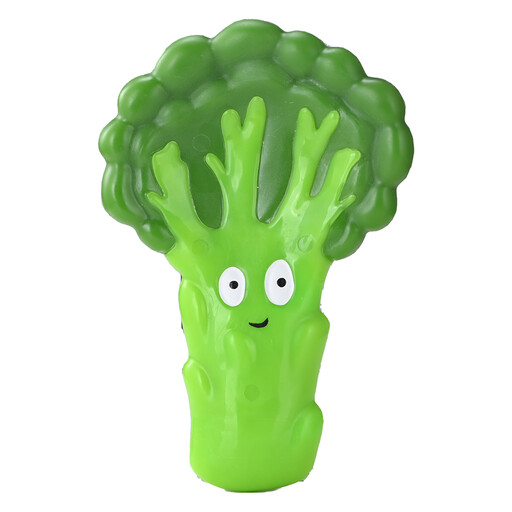
Why this choice suits this profile : Its distinctive shape and size, advertised as suitable for dogs of different sizes, make it a good starting point for a chew and fetch toy that can be used indoors or outdoors.
The product details state that it is made from nylon and recommend replacing the toy if it shows excessive wear or small parts start to come loose.
Nylon, dimensions of 11 × 3.5 × 16.5 cm, suitable for indoor and outdoor use, with an easy-to-spot broccoli shape.
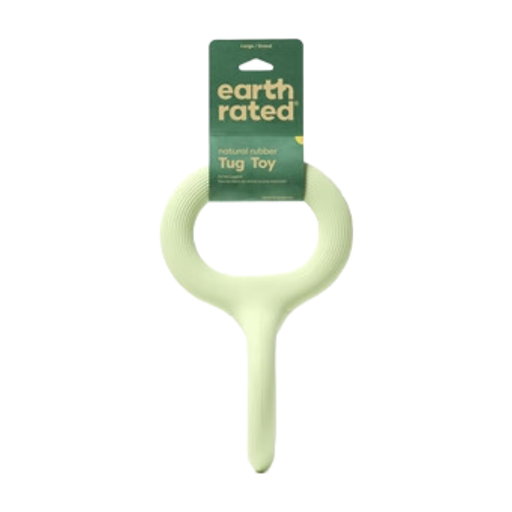
Why this choice suits this profile : This toy is designed for interactive play, with two handles and a curved shape. It is aimed at owners looking for an accessory dedicated to tug-of-war.
Its primary purpose is clearly defined: tug-of-war. It is not sold as an all-purpose solution for prolonged chewing.
Natural rubber, two handles and dishwasher-safe cleaning in the top rack.
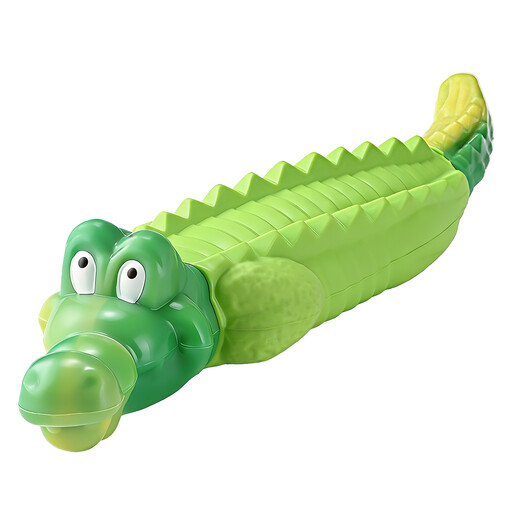
Why this choice suits this profile : Measuring 24 × 6 cm, with a nylon core and natural rubber coating, this model is intended for medium and large dogs for chewing and games of fetch.
The size and materials are clearly stated, making them easier to compare with your dog’s build instead of relying on a simple promise of durability.
Double-layer construction, 3D texture for an easier grip, and tugging, throwing and fetching functions.
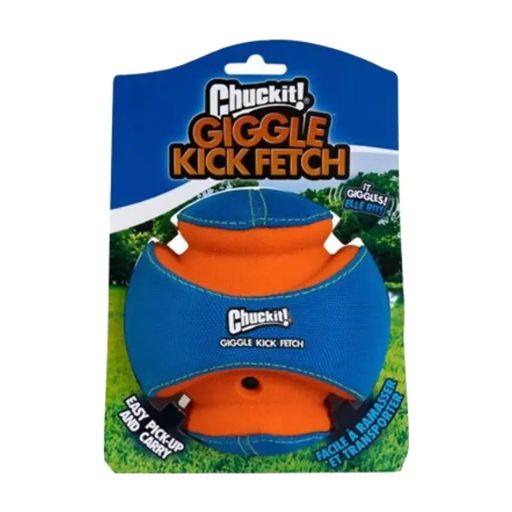
Why this choice suits this profile : Its 14 cm size and the noise it makes when rolling or being batted with a paw make it suitable for outdoor throwing sessions with a small or medium-sized dog.
The product details specify that it is not intended for dogs with powerful jaws. This limitation prevents it being used as a toy for intensive chewers.
Foam core, fabric covering, rubber sections and motion-activated sound.
We have put together a complete, real-time updated selection of products that meet these demanding criteria as well as European safety standards.
A boredom-busting dog toy should first and foremost match your pet’s habits. A nylon model may be suitable for supervised chewing, while a squeaky toy or unusual shape can provide more stimulation and encourage exploration. Rotating accessories and favouring short play sessions can also help prevent boredom.
It all depends on the material, your dog’s size and the way they play. There is no universal lifespan. Even a durable dog toy should be checked regularly: as soon as a fragment could come loose or be swallowed, the toy must be replaced.
Some models are designed for several uses, but always check the product details. A rubber and nylon construction may be suitable for both chewing and fetching, while a rope toy will be more intended for tug-of-war. In all cases, supervision remains essential.