
Livraison le jour même ou le lendemain

Qualité garantie

Débloquez vos offres de bienvenue: Livraison GRATUITE | Jusqu'à -80 % | 30 jours d'essai gratuits à JoyPlus
Téléchargez l'application
An interactive cat toy can add structure to an indoor cat’s day, encouraging them to move and recreating certain hunting sequences. But marketing promises alone aren’t enough to make the right choice. A model that looks great in a photo can become unusable within weeks if it’s difficult to recharge, too fragile, or simply holds no interest for your pet.
Before you buy, keep three pitfalls in mind:
An indoor cat toy should match the kind of play you’re looking for:
To prevent boredom, rotate several toys rather than leaving the whole collection out all the time.
Examine the product’s composition and design. The points to check are as follows:
A cat chew toy or cat dental toy should be removed as soon as it’s torn, broken, or its stuffing becomes accessible. The manufacturer’s safety instructions always take precedence over the product’s appearance.
A USB-C rechargeable cat toy avoids having to buy batteries regularly and fits easily into most homes with a compatible charger. However, check the following points:
For toys containing catnip or silver vine, store them in a dry, sealed place to preserve their scent between sessions.
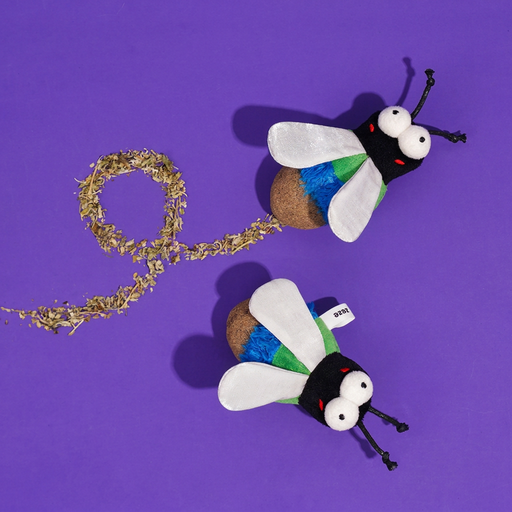
Why this choice suits this profile: Its lightweight design and 5 × 5 × 9 cm size make it a good first anti-boredom cat toy, whether you throw it or let your cat explore it.
It doesn’t rely on a motor or recharging. Its appeal comes from catnip, the effect of which varies from cat to cat.
Short plush, three-dimensional shape, integrated catnip and featherweight design for pouncing and batting.

Why this choice suits this profile: This set of three sea creature characters lets you rotate the toys, an appealing option for households that want to refresh play sessions for an active cat.
USB-C recharging reduces reliance on batteries. However, the toy is for indoor use only and must be kept away from water.
Three characters, rolling movements, built-in motor, multi-layer fabric and USB-C rechargeable battery.
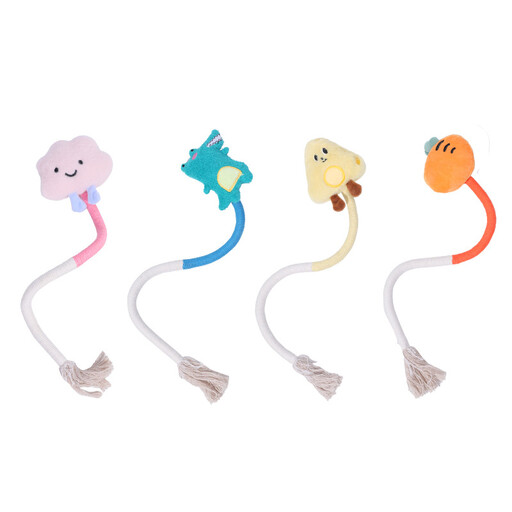
Why this choice suits this profile: This pack of four allows you to rotate toys in a household where your cat loves to chew and wear and tear is faster.
Rotating replacements prevents leaving an overly worn toy available. Regular checks are still essential.
A pack of four toys designed for chewing and daily play, best stored in a dry place.
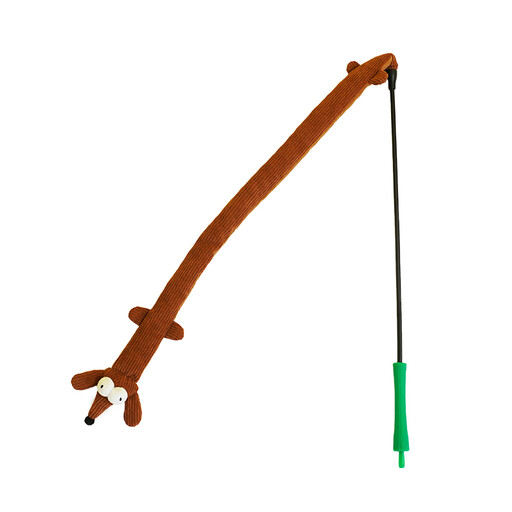
Why this choice suits this profile: This cat fishing rod toy is designed for people who want to actively join in the game and vary the movements.
You control the speed and trajectory, without relying on a motor or a stated battery life.
Flexible rod approximately 40 cm long, felt and corduroy attachment, crinkle paper and possible irregular trajectory.
We’ve compiled a comprehensive, real-time selection of products that meet these demanding criteria and European safety regulations.
For independent play, set up the toy in a clear room, away from stairs, cables and fragile items. With a fishing rod toy, alternate between bursts of speed, pauses and changes of direction to mimic a real chase sequence. Then let your cat catch the toy for a few moments: this step makes the session more rewarding.
Inspect the product before each use. Remove it at the first sign of wear: a loose seam, detached part, visible stuffing or exposed electronic component. If your cat tears off pieces, don’t leave chew toys unsupervised.
Start with a few minutes, then observe their interest and signs of tiredness. Several short sessions can be more suitable than one long, uninterrupted play period, especially with a motorised or noisy toy.
Its running cost mainly depends on the electricity used for recharging and the battery’s lifespan. It can avoid the regular purchase of batteries, but the cable must be removed during play and kept out of your pet’s reach.
Store fabric toys in a dry place, clean them according to the manufacturer’s instructions, and rotate them. For a catnip ball or a toy containing silver vine, an airtight box can help preserve the scent. Always replace any item that shows a tear or has a part that has become accessible.