
Livraison le jour même ou le lendemain

Qualité garantie

Débloquez vos offres de bienvenue: Livraison GRATUITE | Jusqu'à -80 % | 30 jours d'essai gratuits à JoyPlus
Téléchargez l'application
A hot coffee for the morning commute, a cool drink after a workout… The insulated mug has become an essential companion for our on-the-go lifestyles. Yet, buying one can quickly become a headache. Between unkept promises of being leak-proof and disappointing thermal performance, it's all too easy to end up with an item that will spend its life at the back of a cupboard.
As a product selection expert at Joybuy, my mission is to help you see things more clearly. Let's forget the marketing jargon and focus on what truly matters in daily use. We'll break down the common pitfalls to avoid and the essential criteria for choosing a travel mug that won't let you down.
The market is flooded with models, but they are far from being created equal. Beware of these two common pitfalls?:
You don't need to be an engineer to make an informed choice. Simply focus on these three fundamental points.
This is the most critical point for on-the-go use. Pay close attention to the type of lid?:
This is the core technology that will truly determine your mug's ability to retain heat (or cold).
Think about your daily use.
The "perfect" mug doesn't exist in a vacuum. However, there is a perfect mug for you. The goal is to find the one that fits your daily life.
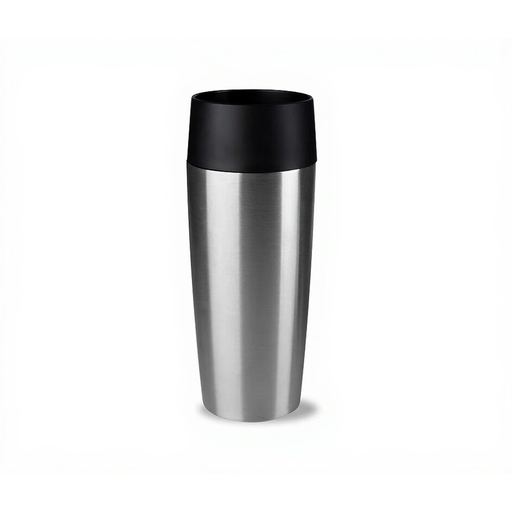
Why it's the right choice: Ideal for those who juggle public transport and driving. Its one-handed opening system is perfect for taking a quick, safe sip.
It directly addresses the problem of false leak-proof claims. Its push-button lid is designed to be carried in a bag without any leaks, giving you peace of mind.
The lid disassembles into two parts for a thorough clean, and the entire unit is dishwasher-safe. The stainless steel vacuum insulation ensures excellent temperature retention.
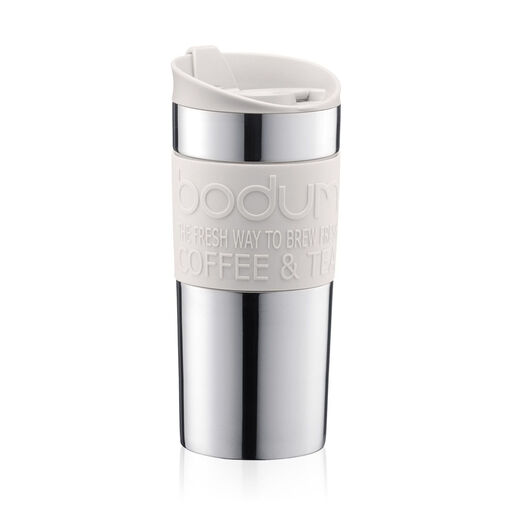
Why it's the right choice: For those seeking an object that is both functional and elegant for their desk. Bodum's clean, Scandinavian design fits perfectly into a professional environment.
This mug doesn't over-promise on its leak-proof capabilities. Its flip-top lid is "splash-resistant," which is sufficient and honest for stationary use (office, home) where the risk of tipping over is low.
Its vacuum-insulated, double-wall stainless steel construction provides excellent thermal insulation. Its compact 350 ml size is ideal for a morning coffee and fits easily into cup holders.
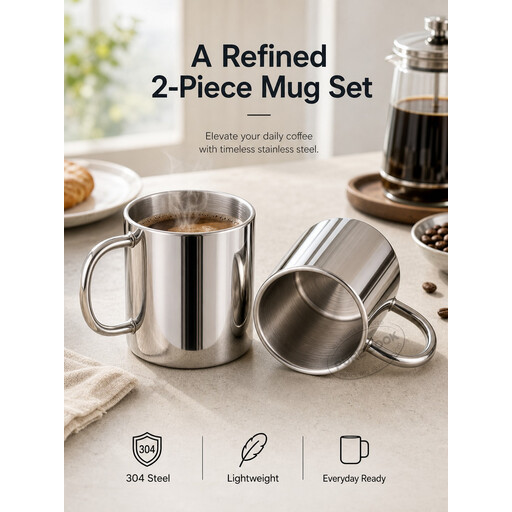
Why it's the right choice: Perfect for those who simply want to keep their drink hot for longer at home or in the office, without the complexity of a lid. It's a durable and effective alternative to ceramic mugs.
This product plays it straight: it's a mug, not a travel mug. No promises of being leak-proof, so no potential for disappointment. It focuses on one thing: thermal insulation.
Sold as a set of two, it offers excellent value for money. The 304 stainless steel is sturdy, impact-resistant, and easy to clean, with a polished interior to prevent coffee or tea stains.
We have compiled a complete selection of products that meet our quality and safety standards.
The secret is consistency. Cleaning after each use is key. Rinse it with hot water. For a deep clean, use hot, soapy water and a bottle brush to reach the bottom. If the lid is disassemblable, take all the pieces apart to thoroughly clean the seals. For stubborn odours, a mixture of baking soda and hot water left to soak for an hour works wonders.
This is the trick question! The answer depends on the model. The stainless steel body of many mugs is not designed for the dishwasher, as harsh detergents and high temperatures can damage the exterior coating or compromise the vacuum seal. Plastic lids are more often compatible. The best practice is to always check the manufacturer's instructions. When in doubt, opt for hand washing: it's the best way to ensure your mug's longevity.
A simple double-walled cup traps a layer of air between its two walls. The insulation is modest: it prevents you from burning your hands and slows down cooling (a little). Vacuum insulation is far more effective. In this case, the air is completely removed from the space between the walls. This vacuum acts as a near-perfect insulator, making the process incredibly efficient at maintaining a temperature, whether hot or cold, for hours.