
Livraison le jour même ou le lendemain

Qualité garantie

Débloquez vos offres de bienvenue: Livraison GRATUITE | Jusqu'à -80 % | 30 jours d'essai gratuits à JoyPlus
Téléchargez l'application
Whether it's for a child's school lunch, a homemade meal at the office, or a spontaneous picnic, the insulated lunch box has become a daily essential. The problem? The market is saturated with marketing promises that often fall short. A leaky bento box, a lukewarm meal just an hour later, plastic that degrades... these disappointments are unfortunately all too common. As our editorial team's product expert, my mission is to help you decode the labels and identify the criteria that truly make a difference for a successful and long-lasting purchase.
Before comparing models, let's review the classic mistakes that turn a good investment into a daily regret.
To avoid these traps, simply focus on a few objective technical characteristics. These are the true arbiters of quality for a hot or cold food thermos.
The mention of "stainless steel lunch box" is a good starting point, but you need to dig a little deeper. Two grades dominate the market:
All thermal performance rests on one principle: insulation. The most effective method is double-wall construction with vacuum insulation. The empty space between the two stainless steel walls prevents heat transfer by conduction or convection. A quality product will proudly display this technology and specify a temperature retention time (e.g., 6 to 8 hours for hot).
A perfect seal is non-negotiable. Examine two elements:
To illustrate these criteria in practice, here are three models that each meet a specific need.
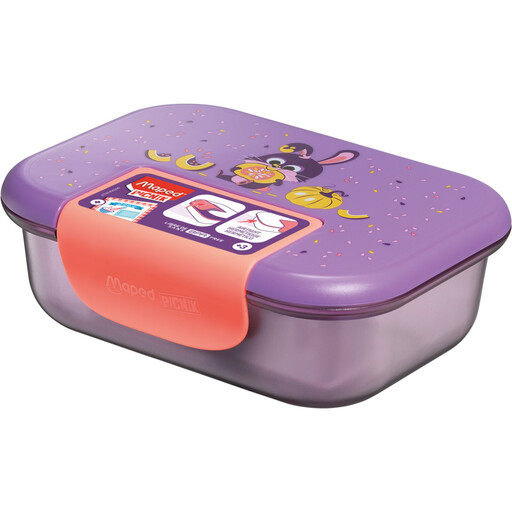
Why we chose it: This kids' lunch box is designed for independence. Its large clip is easy for little hands to operate, and its attached lid prevents it from getting lost in the cafeteria. The stainless steel base is sturdy enough to survive the playground test.
Its simple locking system and attached lid eliminate the risk of lost or broken parts. The stainless steel base doesn't retain odours or stains, a real plus compared to plastic.
Kid-friendly design: easy opening and an unlosable lid. Robust stainless steel construction.
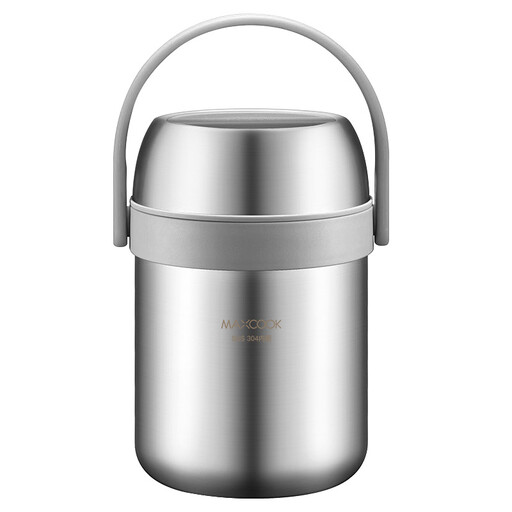
Why we chose it: Perfect for those who pack proper hot meals. Its large 1.5 L capacity, wide mouth that lets you eat directly from it, and vacuum insulation make it the ideal companion for lunches at the office or on the go.
This model avoids the false insulation trap by incorporating true vacuum insulation technology, designed to maintain temperature for hours.
Its large capacity (1.5 L) and reliable thermal performance for hot meals. Made with 304 stainless steel.

Why we chose it: For those who refuse to compromise. The use of 316 stainless steel offers absolute peace of mind regarding long-term durability and corrosion resistance.
It addresses the poor-quality material pitfall by using 316 stainless steel, a superior grade that guarantees maximum resistance and neutrality, even with acidic or very salty foods.
Premium material (316 stainless steel) for maximum durability and food safety.
We have curated a complete selection of products that meet our quality criteria and current safety standards.
Here's a pro tip for a hot meal: fill your container with boiling water, close it, and wait 5 to 10 minutes. Empty the water, then add your food. For a cold meal, do the same with ice water. This simple step "pre-conditions" the walls and significantly improves temperature retention.
No, never. It is extremely dangerous to place a metal object, including stainless steel, in a microwave oven. You risk causing sparks, damaging your appliance, or even starting a fire. To reheat your meal, always transfer it to a microwave-safe container.
Wash your container after each use with hot, soapy water. Don't forget the silicone gasket, which is ideally removable for a deep clean. For stubborn odours, a soak for a few hours (or overnight) in a mixture of water and baking soda works wonders. Rinse thoroughly and, most importantly, make sure all parts are completely dry before storing to prevent any mould growth.