
Same-day & Next-day Delivery

Quality Guaranteed

Unlock Your Welcome Offers: FREE Delivery | Up to 80% OFF | Free 30-day JoyPlus trial
Download the APP
Enjoying a delicious, warm, home-cooked meal at the office or on the go is a small, everyday luxury. However, choosing the right insulated lunch box can quickly become a headache. Between unrealistic insulation claims and impractical designs, it's easy to end up with a disappointing product. As a product expert for Joybuy, my mission is to help you see things more clearly and decode the criteria that truly matter.
To make the right choice, here are the most common pitfalls to avoid:
To avoid these disappointments, let's scrutinize the features that truly make a difference. Mastering these few points will ensure you choose an insulated food container perfectly suited to your daily routine.
Stainless steel is the gold standard for an insulated food container. It's durable, doesn't retain odours or tastes, and guarantees perfect food safety. The main distinction is between two types of stainless steel:
The performance of an insulated container for hot food relies on vacuum insulation: a double wall with the air removed from between the layers, which blocks heat transfer.
However, the weak link is often the lid. A good sealing system must include:
A good food thermos must be practical for daily use. One of the most crucial aspects is its wide opening. It not only makes filling and serving easier (you can eat directly from it), but more importantly, it radically simplifies cleaning.
The presence of accessories can also make a difference. A dedicated insulated lunch bag, for example, adds an extra layer of insulation and makes transport significantly easier.
Because every user is unique, here is a selection of products that meet specific needs, all evaluated according to the objective criteria we've just discussed.

Why we chose it: For those who want a complete, out-of-the-box solution. This set combines a high-quality container with its own insulated carrying bag, optimizing both performance and portability.
The included bag adds thermal insulation and protects against bumps. The wide opening and 316 stainless steel design check all the boxes for cleaning and durability.
The all-in-one bundle that pairs a 316 stainless steel container with a dedicated insulated carrying bag.

Why we chose it: Ideal for those who prioritize material quality above all else. This model gets straight to the point: an ultra-robust 316 stainless steel construction and a large capacity, for an investment that's built to last.
By focusing entirely on 316 stainless steel, it offers maximum resistance to corrosion and odours. This guarantees superior longevity and impeccable hygiene, even with intensive use.
Impeccable build quality with a 100% 316 stainless steel design and a generous 1.5-litre capacity.
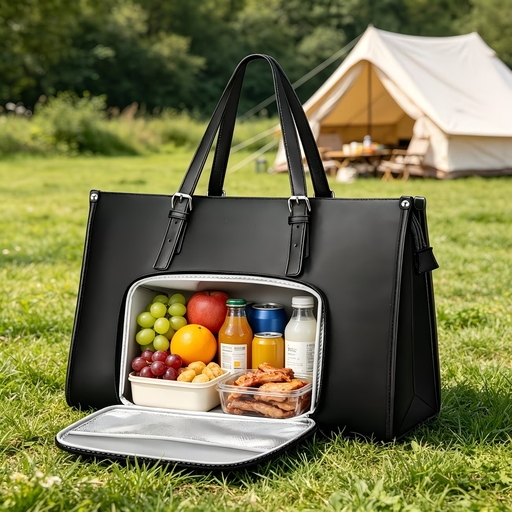
Why we chose it: The solution for professionals who juggle work life and home-cooked meals. This stylish bag includes a discreet, waterproof lunch compartment, eliminating the need to carry multiple bags.
It solves the problem of carrying too much by merging a work bag and a lunch bag. The separate, waterproof insulated compartment keeps your electronics and documents safe.
A unique 2-in-1 design that combines a laptop bag (15.6-inch) and an insulated and waterproof lunch compartment.
Explore our complete, up-to-date selection of products that meet our strict selection criteria and current safety standards.
304 stainless steel is the default high-quality stainless steel, perfect for most foods. 316 stainless steel contains molybdenum, which makes it even more resistant to corrosion from salt and acids. It's the premium choice for those who often carry highly seasoned dishes or are aiming for maximum durability.
To keep a dish hot for longer, a simple trick is to "preheat" your insulated bento box. Before putting your meal in, fill it with boiling water, close the lid, and wait 5 minutes. Empty the water, dry it quickly, and then add your hot food. The same principle applies for keeping food cold, but using ice-cold water instead.
As a general rule, it is not recommended to put an insulated lunch box in the dishwasher. The intense heat and harsh detergents can damage the seals and, over time, degrade the vacuum layer that provides the insulation. Hand washing with hot, soapy water is the safest method to preserve its performance long-term.