
Livraison le jour même ou le lendemain

Qualité garantie

Débloquez vos offres de bienvenue: Livraison GRATUITE | Jusqu'à -80 % | 30 jours d'essai gratuits à JoyPlus
Téléchargez l'application
An insulated lunch bag might seem simple to choose. Yet a miscalculated capacity, an awkward closure or a fiddly cleaning routine can quickly turn a purchase into a disappointment. Parents, students, professionals and picnic lovers all have different needs: a compact lunch bag for school isn’t chosen the same way as a soft cooler for a day at the beach.
Before comparing models, here are the most common mistakes to avoid.
A capacity expressed in litres doesn’t guarantee that all your containers will fit easily. The internal shape, dividers and separate pockets play a key role. A small insulated lunch bag can hold a sealed container and a drink, but quickly becomes too tight when you need to add a piece of fruit, a dessert and an ice pack.
For a child, a capacity of 6 to 7 litres is usually enough for lunch and a snack. An adult carrying several portions will have more room with a soft cooler of 12 to 15 litres. Larger models are best suited to longer outings or meals for several people — keeping in mind the weight of the bag once it’s full.
A waterproof insulated lunch bag deserves a close look. A PEVA lining and reinforced seams can help limit spills, but a standard zip doesn’t necessarily make the bag a sealed container. A poorly closed water bottle or an overturned box can still dampen your food and fabrics.
To limit unpleasant surprises, use perfectly sealed containers and place any liquid foods in a secondary container. Also check exactly what the product description covers: washable lining, leak protection or simply an interior coating.
Thicker foam can slow down heat exchange, but the real effectiveness also depends on the lining, the closure, exposure to sunlight and the use of an ice pack. Commercial claims like “keeps food cool for several hours” should therefore be considered based on the conditions of use, not as a guaranteed duration regardless of circumstances.
Start by measuring your lunch box, bottle and any accessories. Then compare these measurements with the actual usable compartment, rather than just the external dimensions.
An insulated lunch bag for a child should also suit their size. A model that’s too bulky can become heavy, even when empty.
Product descriptions sometimes mention PE foam, PEVA or a specific thickness. This information describes the bag’s construction, but isn’t enough to guarantee food preservation. PEVA is generally used as a soft, easy-to-wipe interior coating, while the foam contributes to insulation.
For everyday use, check the following points in particular:
The OEKO-TEX STANDARD 100 certification, when mentioned, relates to the presence of certain substances in the textiles, according to the scope of the certification. It doesn’t automatically mean the bag is airtight, refrigerated or suitable for direct contact with all foods.
An insulated lunch bag used every day needs to be comfortable to carry. A handle, an adjustable shoulder strap or backpack straps won’t suit the same needs. For a child, a convertible system — hand, shoulder or back — can make the journey between home and school easier. For an adult, padded shoulder straps and a chest strap can improve comfort when the bag is loaded.
Care also deserves a bit of attention. Some models are simply cleaned with a damp cloth and can’t go in the washing machine. In this case, leave the bag open to dry thoroughly before storing it, to avoid bad odours and lingering dampness.
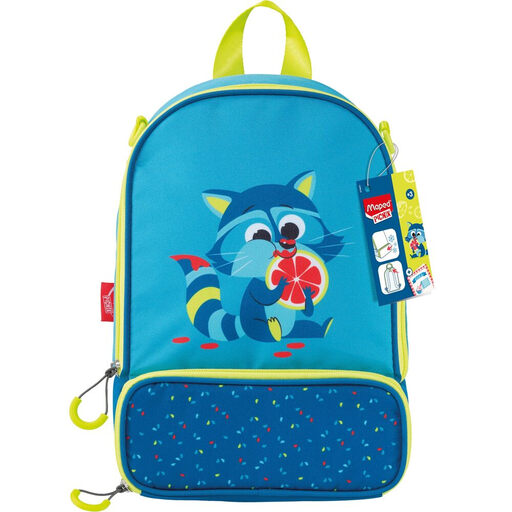
Why this choice suits this profile: With its 6.5 litres and 217 g, this bag is ideal for school runs, small outings and carrying a child’s lunch.
Its two compartments separate the insulated lunch section from the space for the bottle and small personal items. Its compact size reduces the risk of choosing an unnecessarily bulky bag.
Carry by hand, over the shoulder or on the back, elastic bottle holder and space to write the name.
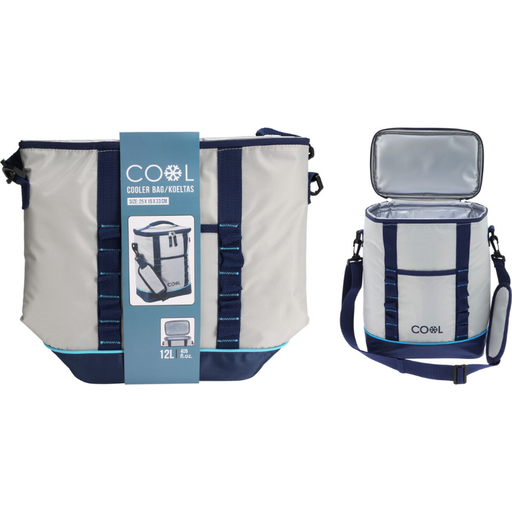
Why this choice suits this profile: Its 12-litre capacity and vertical format are ideal for shared meals, outings and trips where you need several drinks.
The reinforced base helps keep the bag upright, while the PEVA inner lining means you’re not dealing with a simple textile bag lacking insulation.
420D polyester, 6 mm insulating foam, PEVA lining and stated dimensions of 25.5 × 15.5 × 33 cm.
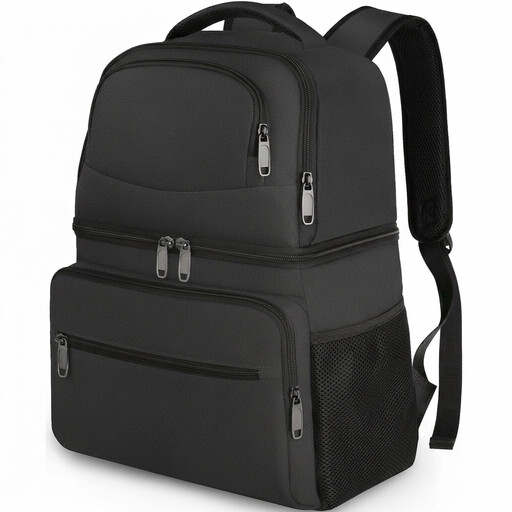
Why this choice suits this profile: This insulated backpack is designed for days outdoors, camping, hiking, fishing or picnics that need a bit more organisation.
The two compartments separate the insulated space at the bottom from the dry section. This layout stops drinks, food and accessories from getting mixed up.
Oxford fabric, 8 mm insulating foam, PEVA lining described as leak-proof, adjustable shoulder straps and chest strap.
We’ve put together a comprehensive, real-time updated selection of products that meet these demanding criteria as well as European safety regulations.
Place already chilled food in the insulated compartment and add an ice pack if your use calls for it. Avoid leaving the bag in direct sunlight or in a hot car. Close it after each opening and quickly wipe away any food marks.
For a lunch bag intended for school, prepare the contents so that the child can easily open the containers. For an adult, a compartmentalised box can simplify organisation and reduce the need for disposable packaging. In all cases, follow the storage instructions for each food and never treat the bag as a fridge.
The duration depends on the insulation, outside temperature, how often it’s opened, the amount of food and whether you use an ice pack. The indications on the product description should be understood as conditions of use, not as a guarantee valid in every situation.
Not always. Some models, like the Maped Picnik bags shown here, are cleaned with a damp cloth and can’t go in the machine. Always check the manufacturer’s instructions, leave the bag open to dry and avoid storing it while still damp.
For a child, 6.5 litres can be enough for a meal, a drink and a few snacks. A 12 to 15 litre model will be better suited to an adult, several meals or a picnic. For larger capacities, check the weight of the bag once it’s full and how comfortable it is to carry before ordering.