
Livraison le jour même ou le lendemain

Qualité garantie

Débloquez vos offres de bienvenue: Livraison GRATUITE | Jusqu'à -80 % | 30 jours d'essai gratuits à JoyPlus
Téléchargez l'application
Choosing an insulated lunch bag isn’t just about picking the first one you see. Several details make all the difference in daily use: a bag that’s too small squashes your food, a poorly designed zip lets heat in, and a lining that’s awkward to clean quickly becomes a nuisance.
Before you place your order, check three essential points: the actual usable volume, the quality of the insulation, and how comfortable it is to carry. This is what separates a child’s insulated lunch bag from a proper cooler bag for picnics or the daily commute.
A 12-litre insulated lunch bag may not hold as much as a 15-litre model. The stated volume sometimes includes areas that are difficult to use, especially when the bag has several compartments or a thick base.
To compare models, look carefully at:
For a child, a compact 6.5-litre size is often easier to carry. For several meals or a family outing, an insulated lunch bag of 12 to 15 litres gives you much more flexibility.
Insulation doesn’t create cold – it slows down heat exchange. Performance therefore varies depending on the outside temperature, how full the bag is, the quality of the closure, and whether you use ice packs.
A claim like “keeps food cool for several hours” should be taken as a guide, not a guarantee that works in every situation. For perishable foods, follow the storage instructions on the packaging and maintain a proper cold chain.
An easy-to-wipe inner lining is a lifesaver after a drink or sauce leak. But beware: “waterproof” doesn’t necessarily mean the bag can be submerged or put in the washing machine. Always check the manufacturer’s instructions. Some models can only be cleaned with a damp cloth and must then be left to air dry.
The zips, seams and base also deserve a close look. If the bag is regularly placed on the ground, a stable, sturdy base will help reduce wear and tear.
Go for an insulating foam paired with an easy-clean inner lining. PEVA is commonly used in lunch bags and cooler bags. Its effectiveness depends mainly on the thickness of the insulation, the quality of the construction and the closure.
A full-length zip limits warm air getting in and accidental openings. For days out, a heat-sealed lining can make cleaning easier. Even so, you should still follow the care instructions and avoid sharp objects that could puncture the wall.
Here are some rough guidelines depending on use:
A 21-litre cooler backpack distributes the weight better across your shoulders than a hand-held model. On the downside, it’s bulkier than a small lunch bag.
For a child, choose adjustable straps, a sturdy handle and a space to write their name. For an adult, an adjustable shoulder strap makes trips between home, the office and public transport much easier.
A running waist pack serves a different purpose: it’s for carrying a phone, keys or energy gels while you run. It doesn’t replace a proper insulated lunch bag for keeping a meal or drink cool.
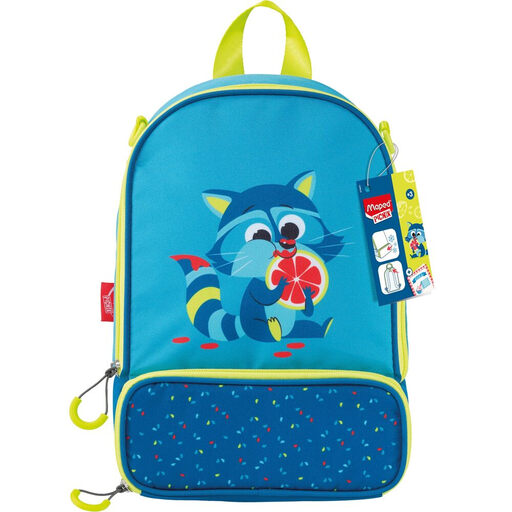
Why this choice suits this profile: With its 6.5 litres and two compartments, this model is ideal for school lunches, nursery meals and small outings. It can be carried by hand, over the shoulder or on the back.
The stated volume comes with precise dimensions and an organisation system that separates the meal from the water bottle.
PEVA insulation in the lower compartment, elastic to hold the bottle in place, and a space to write the name.
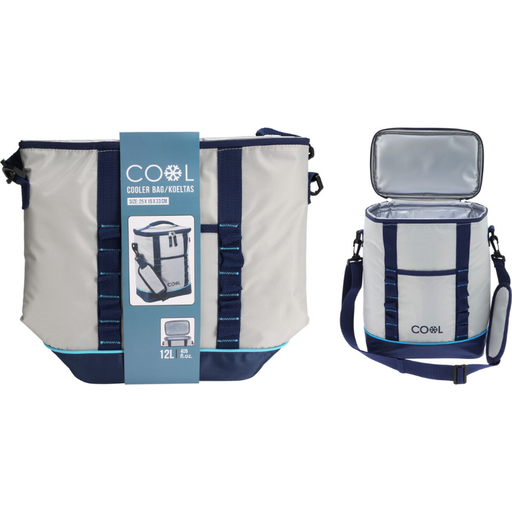
Why this choice suits this profile: With its 12 litres, this bag is suitable for adult lunches, barbecues, picnics and days at the beach.
The PEVA lining and 6 mm insulating foam are clearly stated, making it easy to compare between models.
Dimensions of 25.5 × 15.5 × 33 cm, stable base and straps designed for easy carrying.
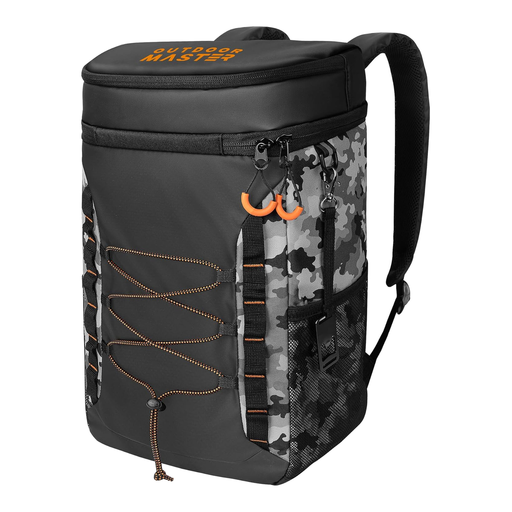
Why this choice suits this profile: Its 21-litre cooler backpack format is ideal for hiking, watersports, picnics and activities that need more supplies.
Its inner lining uses a seamless press technology. It should be cleaned and then left to air dry.
21-litre capacity, two compartments, two mesh side pockets and a padded back.
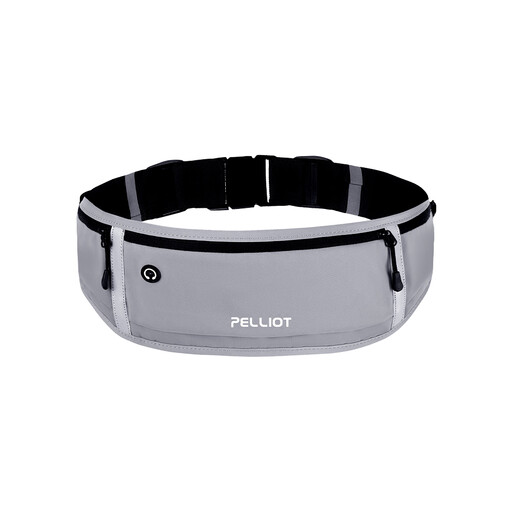
Why this choice suits this profile: This running waist pack complements an insulated lunch bag during a run, a bike ride or a hike. It keeps your phone, keys and cards within easy reach.
Its zipped pockets keep essential items separate and stop you overloading your lunch bag with sports accessories.
Adjustable elastic belt, reflective strips, non-slip fabric and sizes S/M or L/XL.
We’ve put together a comprehensive, real-time selection of products that meet these exacting standards, while complying with European safety regulations.
Generally speaking, no. An insulated lunch bag is designed for transporting food, not for freezing. Instead, use suitable ice packs, placing them according to the manufacturer’s instructions. Never put the bag in a microwave and don’t fill it with dry ice unless explicitly instructed to do so.
It all depends on the insulation, the closure, how full the bag is and the outside temperature. To keep things cool for longer, pre-chill your drinks and food, limit how often you open the bag, and add an ice pack. The stated cooling times are only a guide, especially if the bag is left in direct sunlight for a long time.
Remove any crumbs, wipe the lining with a damp cloth and mild soap, then leave the bag open until it’s completely dry. Avoid the washing machine unless the manufacturer says it’s safe. To protect the seams and lining, don’t overload the bag and keep it away from sharp objects.