
Livraison le jour même ou le lendemain

Qualité garantie

Débloquez vos offres de bienvenue: Livraison GRATUITE | Jusqu'à -80 % | 30 jours d'essai gratuits à JoyPlus
Téléchargez l'application
Choosing an insulated lunch bag may seem straightforward. Yet a few details can make the difference between a genuinely practical accessory and a disappointing model. Too small, it crushes your food containers; poorly sealed, it lets liquids escape; badly designed, it becomes uncomfortable after just a few minutes.
Before comparing insulated lunch bags, it is worth knowing the most common pitfalls.
An insulating lining slows temperature changes, but it does not replace a refrigerator. When transporting perishable food, pack a suitable ice pack and take the journey time into account. The term “insulated” does not, by itself, guarantee a specific storage duration.
A 6.5 L insulated lunch bag, a 12 L model and a 15 L alternative cannot necessarily be compared on advertised capacity alone. The total volume may include several compartments, some of which are not insulated. Instead, check the internal dimensions and the shape of the main compartment. This will tell you whether your lunch box, water bottle and cutlery will genuinely fit inside.
For a school lunch bag or an insulated snack bag used every day, a lining that can be wiped clean in seconds is a real advantage. A zip closure helps reduce the risk of leaks, but it does not make the bag completely watertight or suitable for soaking. Unless the manufacturer states otherwise, clean it with a damp cloth, then allow it to dry completely before storing it.
For a child, a capacity of 6 to 7 L is generally enough for a meal, a snack and a small bottle. The 6.5 L Maped Picnik measures 28 × 16 × 21 cm and features two compartments, including an insulated lower section.
For an adult at work or for a group outing, a large-capacity insulated bag of 12 to 15 L provides more room. However, keep an eye on the weight once the bag is full. A large model can quickly become cumbersome on public transport or during the school run.
Compartments help keep food, drinks and accessories separate. An internal elastic strap that holds a bottle upright can also help prevent spills inside the bag.
Foam thickness provides an initial indication, but it cannot by itself predict how long the contents will stay cool. The type of lining, the quality of the closure, how full the bag is and the outside temperature are equally important.
The 12 L grey model featured below combines 6 mm foam with a PEVA lining. The large-capacity insulated backpack, meanwhile, uses 8 mm foam and a PEVA inner lining described as leak-resistant. These specifications make it possible to compare the materials on a concrete basis without suggesting that performance will be identical in every situation.
For a children’s lunch bag, adjustable straps and multiple carrying options can make all the difference. Also remember to check the empty weight: the Maped Picnik weighs 217 g, compared with 700 g for the insulated backpack featured here.
Here are the key points to check:
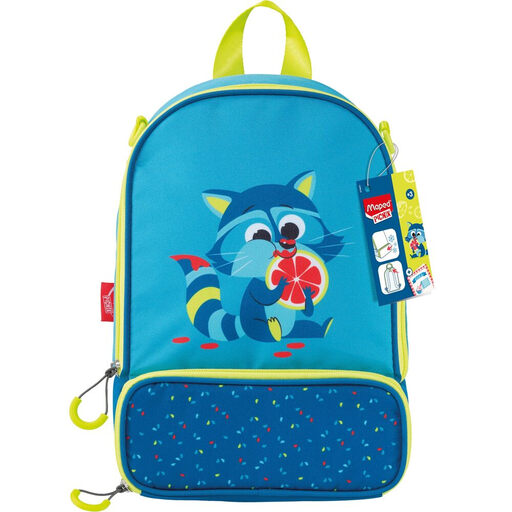
Why this choice suits this profile: Its 6.5 L capacity is ideal for carrying a meal, a snack and a bottle to school, nursery or on a short outing.
The two compartments prevent everything from being crammed into one space, while the internal elastic strap keeps the bottle securely upright.
217 g, two compartments, convertible straps and a dedicated space for writing the user’s name.
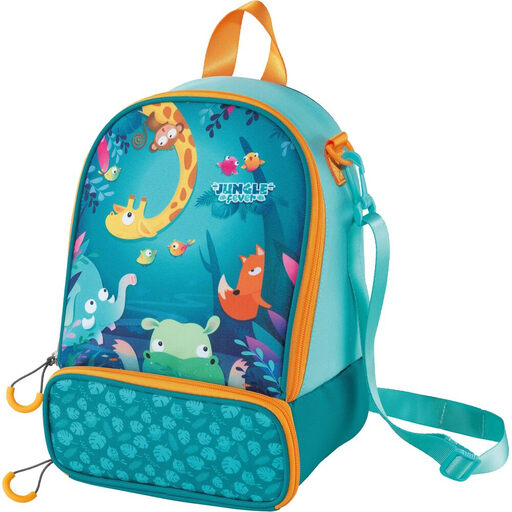
Why this choice suits this profile: This version retains the compact format and convertible carrying options of the children’s model, with a Jungle Fever design that fits perfectly into the school environment.
The capacity and dimensions are clearly stated, helping you avoid choosing a bag that is too bulky for a young child.
Polyester, PEVA insulation, zip closure and three carrying options.
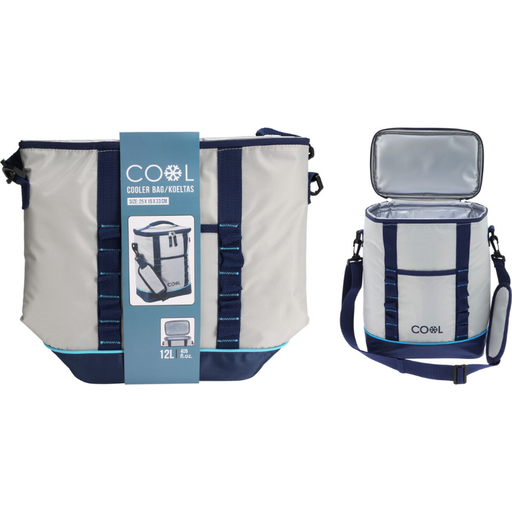
Why this choice suits this profile: Its 12 L capacity and reinforced base make it a strong choice for picnics, barbecues, beach days or substantial work lunches.
The 25.5 × 15.5 × 33 cm dimensions and 6 mm insulation make it easy to assess its footprint before buying.
420D polyester, PEVA lining, 6 mm foam and carrying straps.
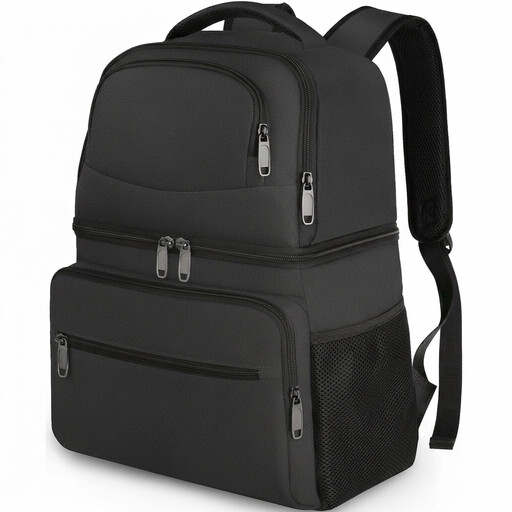
Why this choice suits this profile: This insulated backpack is designed for hiking, camping, beach trips and outings where hands-free carrying matters more than compactness.
Storage is divided between an insulated lower compartment and a dry upper section, rather than being reduced to a single overall capacity figure.
8 mm foam, PEVA lining, multiple pockets, waist strap and a stated capacity of 26 cans.
We have brought together a complete, real-time updated selection of products that meet these demanding criteria and European safety regulations.
For a child, a format of around 6.5 L is generally sufficient for a lunch box, water bottle and small snack. For an adult or a longer outing, a 12 to 15 L model offers more room. In every case, check the internal dimensions rather than relying solely on the stated volume.
Start by removing any crumbs, then clean the interior with a damp cloth and mild detergent. Leave the bag fully open to air-dry. Avoid machine washing unless the manufacturer explicitly permits it: the foam, lining and carrying components could become misshapen.
A soft cooler generally prioritises capacity for carrying drinks or multiple food items. A lunch bag is usually more compact and may include compartments, a shoulder strap or backpack straps. The right choice therefore depends on how much you need to carry and how you plan to travel.