
Livraison le jour même ou le lendemain

Qualité garantie

Débloquez vos offres de bienvenue: Livraison GRATUITE | Jusqu'à -80 % | 30 jours d'essai gratuits à JoyPlus
Téléchargez l'application
Enjoying a hot meal during your lunch break—without hunting for a microwave or breaking the bank at a local café—is a small luxury that can transform your day. The key to achieving this? A quality insulated food jar. The catch is that the market is flooded with marketing promises that often lead to disappointment: a lukewarm meal, soup leaking into the bottom of your bag, or a container that gives out after just a few months.
As the head of product selection at Joybuy, I spend my time separating the wheat from the chaff. My goal is to help you navigate this jungle. Let's skip the technical jargon and get straight to the point: here's what really matters for avoiding the pitfalls and making the right choice.
Before you even start comparing models, it's crucial to know how to spot the false promises that can end up costing you.
To ensure you make the right choice, focus on these three technical points that set the best products apart.
The performance of a food thermos depends primarily on its insulation. The gold standard is double-wall vacuum insulation. The vacuum created between the two stainless steel walls blocks heat transfer by conduction.
But great insulation is useless without a perfectly leak-proof lid. Examine the quality of the silicone gasket: it should be thick, flexible, and fit snugly into the lid's groove. This is your best insurance against leaks and a critical barrier against heat loss.
As we've discussed, the type of steel is an excellent indicator of quality.
A large capacity might seem like a good idea, but be aware: a half-empty insulated hot food jar will retain heat much less effectively. The air inside is a poor insulator. Therefore, choose a volume that matches your actual portion sizes. For a main course, a capacity of 0.8 L to 1.5 L is generally a good compromise.
Also, consider everyday ergonomics. A wide mouth is a real plus: it makes filling and cleaning easier, and most importantly, allows you to eat directly from the container. That's a significant convenience, whether you're on a construction site or in a park.
Instead of an exhaustive list, here is our curated selection of models that meet specific needs, based on the criteria we've just covered.

Why we chose it: Perfect for those who work outdoors (construction, delivery...) and need a hearty, hot meal. Its rugged design and large capacity are built for tough conditions.
The manufacturer advertises a 4 to 6-hour duration, a realistic promise for a hot lunch. Its wide mouth allows you to eat comfortably without struggling with the container.
Its large capacity of 1.4 L lets you pack a full, satisfying meal. The 304 steel construction ensures good durability for daily use.

Why we chose it: For professionals who make no compromises on material quality and convenience. The included carrying bag is a real bonus for commuting, and the 316 steel is a guarantee of durability and maximum food safety.
It avoids the "all steel is equal" pitfall by using 316 steel, which is far more corrosion-resistant. Its lid is designed for a leak-proof seal, and the bag offers double protection against accidental spills.
The complete package (jar + insulated bag) and the use of 316 steel make it a premium, durable, and ultra-practical solution for daily office life.
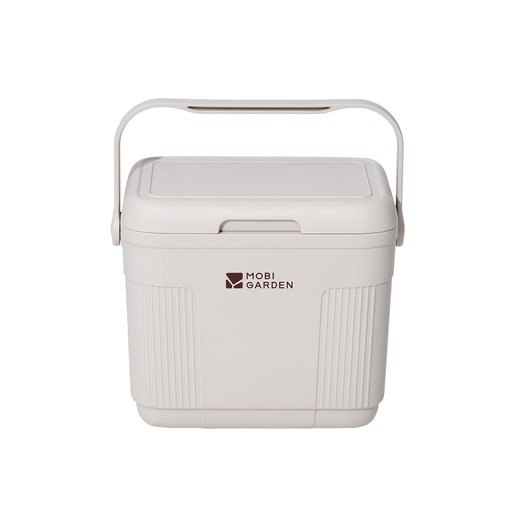
Why we chose it: When a simple insulated lunch box is not enough. For picnics, long car rides, or beach days, this large-format cooler keeps meals and drinks for the whole family hot or cold.
This isn't an individual food jar, and the brand is transparent about how to optimize its performance (preheating, filling), thereby avoiding unrealistic promises.
Its XXL capacity of 22 litres is its main advantage. It's enough to cater to a group of 4 to 6 people without issue. Its hot/cold versatility makes it an all-season ally.
We have curated a complete selection of products that meet our quality criteria and food safety standards.
To keep your meal hot for as long as possible, preheating is an incredibly effective trick. Fill your insulated container with boiling water, close the lid, and wait 5 to 10 minutes. Empty the water just before pouring in your very hot meal. Finally, fill the container as much as possible: the less air there is, the slower the heat will dissipate.
As a general rule, it is strongly discouraged. The intense heat and harsh detergents can damage the sealing gasket and, in rare cases, compromise the vacuum insulation between the walls. Your jar would then lose all its effectiveness. Hand washing remains the best way to ensure its longevity.
304 steel is the food industry standard; it is robust and perfectly safe. 316 steel, sometimes called "marine-grade stainless steel," contains molybdenum. This addition makes it much more resistant to corrosion caused by salts (chlorides) and acids. In practical terms, if you often carry tomato-based, lemon, or vinaigrette-dressed dishes, a model made of 316 steel is a much wiser long-term investment.