
Livraison le jour même ou le lendemain

Qualité garantie

Débloquez vos offres de bienvenue: Livraison GRATUITE | Jusqu'à -80 % | 30 jours d'essai gratuits à JoyPlus
Téléchargez l'application
Taking your lunch or drink with you seems simple enough… until the bag leaks, the container doesn’t fit in the rucksack, or the lid becomes impossible to clean. Insulated food containers and drinks bottles cover very different needs, but marketing promises are no substitute for carefully checking dimensions, materials and cleaning requirements.
Parents, students, professionals and picnic lovers alike: here are the criteria to consider before choosing an insulated lunch bag, a food container, an insulated bottle or a food thermos.
A container can slow down temperature changes without being completely leak-proof. A bottle designed to keep a drink hot or cold isn’t necessarily suitable for fizzy liquids. Similarly, an insulated picnic bag may have an insulating lining but won’t prevent leaks if the container inside isn’t sealed properly.
So check each of these separately:
A big container might seem practical, but it quickly becomes heavy once filled. For a child, an oversized lunch box takes up unnecessary space in their school bag. On the other hand, a small model won’t be suitable for a full meal or a long working day.
The capacity should match what you actually carry: a snack, a sandwich, a hot meal, a piece of fruit and a drink all need different sizes.
Flip-top lids, silicone seals and insulated compartments can trap moisture or odours. Before buying, check whether the different parts come apart and whether the manufacturer recommends hand washing. An easy-to-wipe surface is especially handy for a school lunch bag used every day.
Stainless steel is commonly used for bottles and mugs because of its durability and low tendency to retain odours. Double-walled vacuum models are designed to slow down warming or cooling of the contents. That doesn’t mean the temperature will stay constant indefinitely: performance depends on volume, starting temperature, how often you open it and the conditions outside.
Insulated bags usually combine an outer fabric, an insulating foam and a reflective or PEVA lining. These parts need to stay clean and dry. For food, always follow the manufacturer’s recommendations on temperatures and storage times.
Before making your choice, measure the space available in your bag or office fridge. Here are some useful guidelines:
Shape matters too. A wide opening makes filling and cleaning a food thermos easier, while a compartmentalised container separates foods without needing extra packaging.
For an insulated lunch bag, go for a sturdy zip, comfortable handles and, if needed, an adjustable shoulder strap. For a child, a convertible backpack model can distribute weight better.
With an insulated bottle or travel mug, make sure the lid is properly closed before carrying. Very hot drinks carry a risk of burns: leave some space under the lid and check the temperature before drinking. Also avoid putting metal products in the microwave and follow any restrictions on fizzy drinks.
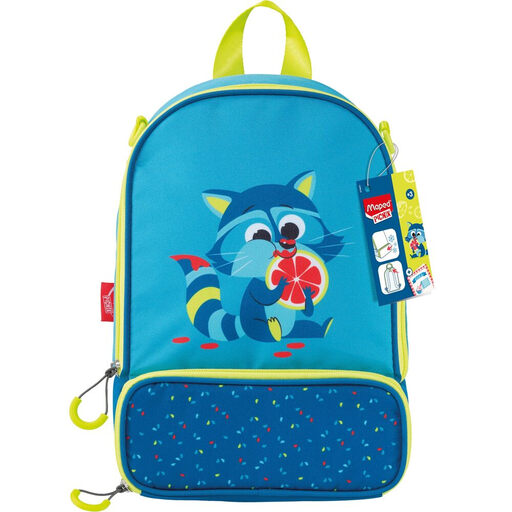
Why this choice suits this profile: With its 6.5 litres, this bag can hold a child’s meals and snacks. Its size is suitable for school, nursery and days out.
Its two compartments separate the insulated food section from accessories. The elastic bottle holder helps keep the bottle upright, while the name label makes identification easy.
Polyester exterior, PEVA insulation and carry options by hand, over the shoulder or on the back. Dimensions: 28 × 16 × 21 cm.
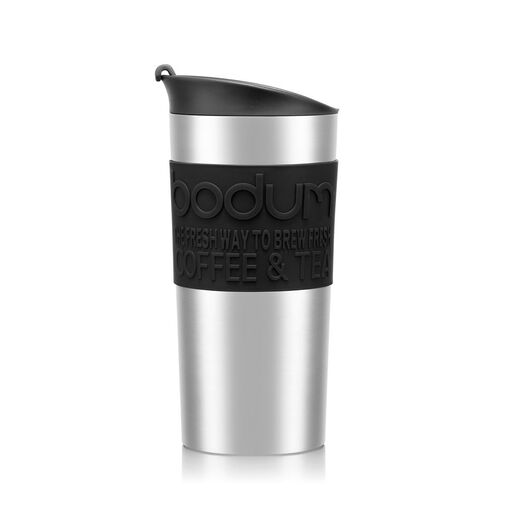
Why this choice suits this profile: Its 350 ml size is ideal for commutes and travel. It’s aimed at those looking for a compact metal mug.
The flip-top lid, combined with a silicone seal, limits spills when properly locked. However, it needs hand washing and you should check the seal regularly.
Double-walled vacuum stainless steel, 350 ml capacity and a size that fits many cup holders.
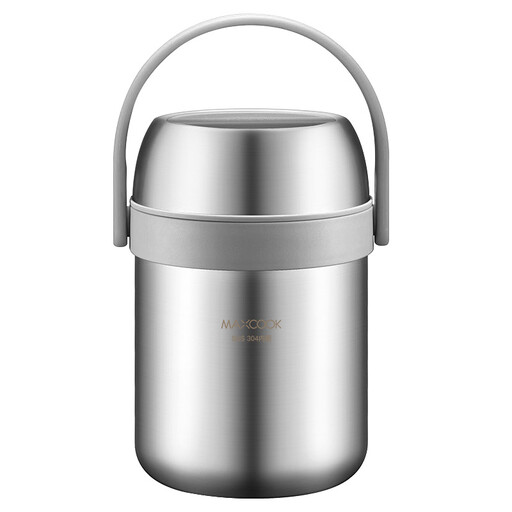
Why this choice suits this profile: Its large volume is ideal for generous portions, shared meals and long days without immediate access to a kitchen.
Its wide opening makes filling, serving and cleaning easy. The manufacturer states heat retention of 4 to 6 hours; the container must stay upright during transport.
304 stainless steel, vacuum insulation, leak-proof lid and 1.5 l capacity.
We’ve put together a comprehensive, real-time updated list of products that meet these demanding selection criteria and European safety regulations.
A few simple steps will help extend the life of your purchase:
Harry Potter, Pokémon or Zelda bottles may appeal to children and collectors, but the design shouldn’t make you forget about capacity, closure type and safety instructions. A well-sized stainless steel drinks bottle will be much more practical if it actually fits in the school bag and suits the user’s habits.
For a snack or small meal, a 300 to 500 ml size can work. For an older schoolchild, check the outer dimensions and the space available in their bag. A compartmentalised bag can hold the box, bottle and a few accessories without everything being squashed together.
The duration depends on the model, the amount carried and the starting temperature. The manufacturer’s instructions should be your main guide. Preheating the container with hot water or pre-cooling it with cold water can improve performance, but won’t extend food storage indefinitely.
For a drink, a 500 ml bottle or a 350 ml insulated travel mug may be enough. For a full meal, go for a compartmentalised container or an insulated picnic bag. If you need to carry several meals or drinks, a 15 l bag or an insulated backpack with a separate compartment will offer more storage, as long as you check its weight and dimensions.