
Livraison le jour même ou le lendemain

Qualité garantie

Débloquez vos offres de bienvenue: Livraison GRATUITE | Jusqu'à -80 % | 30 jours d'essai gratuits à JoyPlus
Téléchargez l'application
Instant Asian porridge can save breakfast, provide a handy office meal, slip into a travel bag or fuel a busy day. Yet the differences between rice porridge sachets, ready-to-eat tins and oat-based preparations are far from minor. Preparation time, ingredients, format and flavour all suit different uses.
Before filling your basket, there are three common pitfalls to look out for.
Instant porridge in a sachet usually requires boiling water and a few minutes to stand. A tin of ready-to-eat porridge, on the other hand, can be eaten straight away at room temperature or simply heated. This difference matters if you want to take your meal with you without access to a kettle.
Vifon porridges, for example, require around 320 to 350 ml of boiling water and three to five minutes of standing time. Yin Lu tins and some Korean porridges, by contrast, are already prepared.
“Chicken”, “pork” or “beef” may sometimes refer to a flavouring rather than a substantial amount of meat. Vifon beef porridge, for instance, lists beef flavouring in its seasoning mix. It is therefore better to check the ingredients list instead of automatically assuming that the stated flavour means a generous topping.
These products may also contain monosodium glutamate, other flavour enhancers, palm oil, sugar or various technological additives. Their presence does not necessarily rule out the product, but knowing about them allows you to make an informed choice.
Rice is naturally gluten-free, but seasoning sachets may contain wheat, soya, milk or celery. Oat porridges may also present a gluten-related risk, depending on the cereals used and the information provided on the packaging.
A pack of 50 sachets may be suitable for regular consumption, an office or a catering business, but excessive for anyone who simply wants to try Vietnamese porridge. Conversely, a box of 12 tins can be a practical way to build up a long-life food stock.
Instant rice porridge has a soft, smooth and light texture, and features prominently in Vietnamese, Thai and Chinese recipes. Vifon versions are made with rice and include chicken, beef and fish flavours, among others.
Oat porridge is a more natural choice for breakfast. A product made from 100% oats, such as Quaker Oats 500 g, lets you add milk, fresh fruit, dried fruit or even savoury ingredients. Blends containing nuts, chocolate or other cereals provide more variety, but their ingredients list also deserves careful attention.
Asian congee tins may combine glutinous rice, oats, barley, maize, beans, lotus seeds or red beans. Their texture and sugar content can therefore vary considerably, particularly when comparing a sweet recipe with a savoury version.
For a quick breakfast, check the amount of water needed and the rehydration time. Individual 45 g MAMA portions are prepared with around 250 ml of boiling water and three to five minutes of standing time. Vifon sachets require a little more water while still being ready within minutes.
Tinned porridge requires no preparation. Depending on its packaging, it can be heated in a microwave or in a saucepan. In all cases, transfer the contents to a suitable container before placing them in the microwave and follow the instructions on the label.
Compare the information per 100 g rather than relying solely on the claims highlighted on the front of the packaging. In particular, check:
Values may be provided for the dry product or once prepared. This distinction is essential to avoid misleading comparisons.
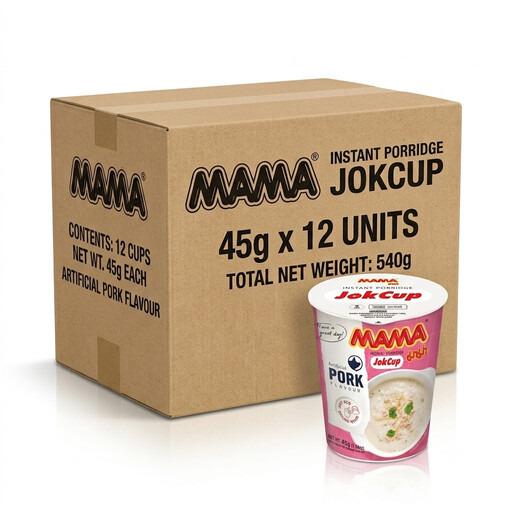
Why this choice suits this profile: This pack of 12 portions lets you try Thai pork porridge without investing in a catering-sized pack. Each 45 g sachet is prepared with around 250 ml of boiling water.
The number of portions and preparation method are clearly stated. Anyone with allergies should nevertheless check for wheat, soya and milk.
An individual portion, three- to five-minute preparation time and savoury pork seasoning.
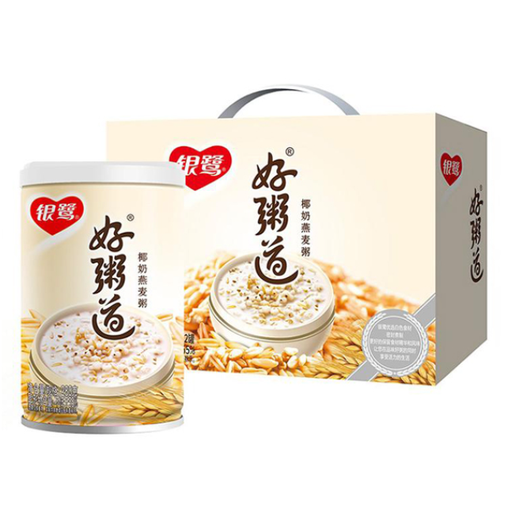
Why this choice suits this profile: This pack of 12 280 g tins is ideal for fans of creamy textures and mild flavours. The porridge can be eaten straight from the tin or gently reheated.
The tinned format removes any confusion between a product that needs rehydrating and a ready-to-eat meal. However, the recipe contains oats, barley, peanuts and milk.
A 280 g serving, 20% oats and no-cook convenience.
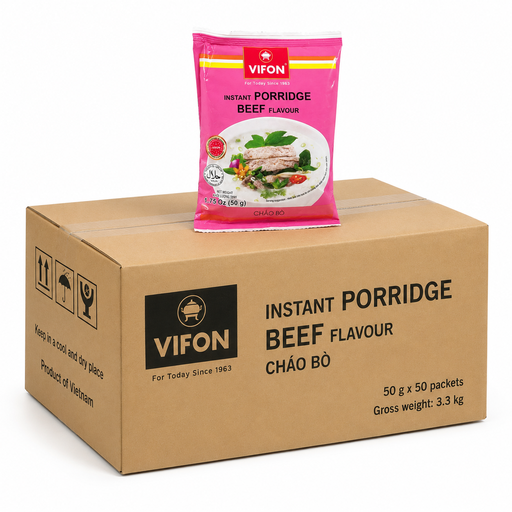
Why this choice suits this profile: The box of 50 50 g sachets is aimed at offices, families, specialist retailers and catering professionals looking for a stock of identical portions.
The water volume and preparation time are specified: around 320 to 350 ml of water and three minutes. However, the product contains several flavour enhancers as well as artificial beef flavouring.
50 individual portions, a rice base and packaging suited to buying in bulk.

Why this choice suits this profile: This oat base lets you create your porridge just the way you like it, with water, milk, fruit or savoury ingredients.
The ingredients list states 100 % oats, with no added salt, sugar or flavouring according to the supplied product information. However, the potential presence of gluten associated with oats should still be considered.
500 g of oats, versatile use and a completely customisable preparation.
We have put together a comprehensive, real-time selection of products that meet these demanding criteria and European safety regulations.
Store sachets and tins in a cool, dry place away from direct sunlight. Do not use damaged packaging. After opening a tin, place any leftovers in the fridge and consume them promptly, following the instructions on the label.
To add flavour to savoury porridge, add an egg, a few vegetables, spring onion or fresh herbs. However, these ingredients alter the nutritional balance and shelf life of the prepared dish. In a sweet version, fruit, seeds or a little milk pair well with Korean porridge made with pumpkin, red beans or cereals.
Pour the contents of the sachet into a bowl, add the amount of boiling water stated on the packaging, stir and cover for the recommended time. A kettle or saucepan is all you need. Ready-to-eat tins can be eaten without heating if the label allows this.
Dry sachets and tins can generally be stored at room temperature until the date stated by the manufacturer, provided they are kept in a dry place away from sunlight. Always check the use-by date or best-before date printed on the packaging. Once opened, consume the product immediately or refrigerate it according to the instructions.
It can be a convenient option for breakfast or a light meal, but serving size, salt content, sugars and toppings vary between recipes. Check the nutrition table and allergen list, then add fresh ingredients if appropriate.