When choosing an instant soup and keeping an eye on sugars, compare the ‘of which sugars’ figures on a like-for-like basis, using the amount of prepared soup you plan to eat. The recipe name or ingredients list alone cannot show that a soup is ‘reduced in sugars’. For a working-from-home lunch, also consider the preparation time and serving size, as well as the ingredients, allergens and other nutritional values for the exact product you’re buying.
Who is this guide for?
People working from home who are keeping an eye on sugars
You want a soup for a quick lunch break, without assuming that a vegetable recipe is necessarily reduced in sugars. The ‘of which sugars’ figure in the nutritional information gives you a basis for comparison, as the DGCCRF points out.
People short on time at lunchtime
You’re looking for something hot that fits into a break between meetings, while still leaving you time to check its ingredients. Carrefour France product listings give a preparation time of four minutes for Maggi Poule Vermicelles and three minutes for Knorr 9 Légumes; these times apply to those specific products.
People who need to check ingredients and allergens
You need to check the ingredients and format of each recipe before buying. Carrefour France product listings flag wheat, milk or celery in the soups reviewed, along with various ‘may contain’ warnings. A brand name is no substitute for checking the label on the specific sachet you choose.
What should you compare?
If you need to avoid an ingredient, start by checking the label for the exact recipe. Then compare sugars on a like-for-like basis, and check whether the preparation time and serving size suit your lunch break.
| Criteria |
What to check |
Who it matters to |
| Sugars |
Compare ‘of which sugars’ for equivalent amounts of prepared soup, or on the same labelling basis. Separately, check whether the packaging makes a claim about sugars. |
If I’m keeping an eye on sugars at lunchtime, I want to compare what’s in the portion I’m going to prepare rather than rely on the recipe name. Around 50% of consumers would put this comparison first. |
| Preparation and serving size |
Check the preparation time, method and serving size; also read the nutritional values for the amount you’ll eat. |
Between meetings, I’m looking for a hot lunch that fits into my break, without assuming that one sachet will make a whole meal. Around 30% of consumers would put this ahead of the other criteria. |
| Ingredients and allergens |
Read the ingredients list and any ‘may contain’ warnings for the product and format you’re buying. |
If I need to avoid an ingredient or take possible traces into account, another soup from the same brand won’t tell me whether this one is suitable. For around 20% of consumers, recipe suitability would be the top priority. |
Mistakes to avoid
-
Assuming ‘vegetable’ means ‘reduced in sugars’
A recipe name describes its ingredients or flavour, not a measured comparison of its sugar content. An ingredients list, even when it mentions sugar, doesn’t tell you how much sugar is in the prepared soup.
Compare the ‘of which sugars’ figures for equivalent amounts, and distinguish this value from any claim made on the packaging. The DGCCRF points out that nutrition claims are regulated.
-
Assuming a vegetable recipe meets all dietary requirements
Carrefour France listings show that ingredients and possible traces vary from one product to another. A soup described as ‘vegetable’ may also contain ingredients of animal origin or allergens that need checking.
Check the ingredients list and allergen information on the exact sachet, especially if you’re switching recipes or formats.
-
Choosing based only on preparation time
A preparation time of three or four minutes may suit a short break, but it tells you nothing about sugars or salt, or how much you’ll eat.
Use preparation time as a practical consideration, then check the serving size and nutritional information before deciding how the soup fits into your lunch.
Brands to look at
These examples relate to specific products, not every recipe from each brand. Whatever the brand, always check the label on the product you choose.
Maggi
The 65 g Poule Vermicelles instant soup is an example of a recipe with a short preparation time.
- Carrefour France gives a preparation time of four minutes for this product.
- Its ingredients include wheat vermicelli, lactose and milk proteins, and it may contain traces of other allergens. The preparation time doesn’t tell you how much sugar it contains.
Royco
Royco offers several ranges of single-serve soups, including Classique, Crémeux and Vermicelles.
- The Carrefour France listing for 10 Légumes et Croûtons soup describes a pack of three sachets and gives the vegetable content as 7,9 % in its ingredients list.
- This recipe contains wheat croutons, milk, butter and celery. The proportion of vegetables doesn’t show that it is reduced in sugars.
Carrefour Classic'
The 105 g 9 Légumes instant soup is one of this own-label brand’s products.
- Its ingredients list details several vegetables and their proportions, helping you identify what’s in this recipe.
- According to Carrefour France, the list also mentions sugar and possible traces of cereals containing gluten, milk and mustard. Check the nutritional information to find out how much sugar it contains.
Soups and preparations to compare on Joybuy
These two portioned noodle soups could be options for a lunch break that calls for something quick to prepare. To see whether either suits your search for lower-sugar options, compare the packaging information for the same amount of prepared soup. Their inclusion here is not a claim that they have reduced sugar content.
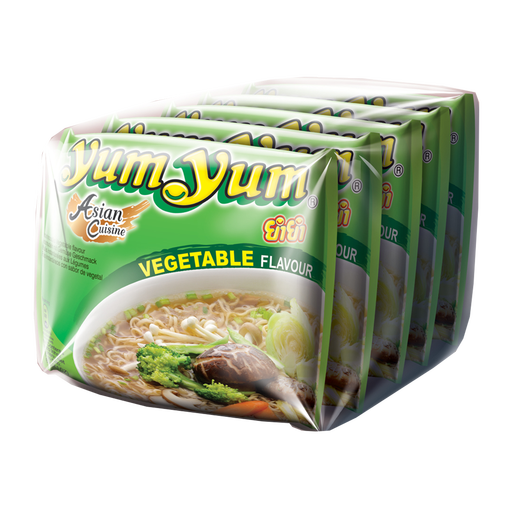 Image unavailable
Yum Yum Vegetable Noodle Soup HL, 5 × 60 g
The five-portion pack could suit you if you’d like to prepare sachets separately during your lunch breaks.
Check how much soup each sachet makes and compare the ‘of which sugars’ figure for the prepared portion. This product contains gluten, soya and celery, and may contain traces of other allergens. Check the label on the pack you buy.
View on Joybuy
 Image unavailable
Royco carrot and mushroom noodle soup, 3 × 20 cl prepared
The pack makes three 20 cl portions, so you could have one sachet for a lunch break, depending on how much suits you.
Compare the sugars in equivalent amounts of prepared soup before comparing it with another recipe. This product contains gluten, celery and milk, and may contain traces of other allergens. Check the label on the format you buy.
View on Joybuy
Frequently asked questions
Does a low sugar figure mean a soup is ‘reduced in sugars’?
No. A single nutritional value isn’t enough to support a comparative claim. To make your choice, compare the ‘of which sugars’ figures for soups on the same basis, and separately check the exact wording on the packaging. The DGCCRF points out that nutrition claims are regulated.
Which values should I compare for two soups prepared differently?
Compare the sugars in the same amount of prepared soup, taking account of the preparation instructions and the serving size you’ll have. Also check any other nutritional information that matters for your lunch, especially salt. Don’t compare a figure for dry powder directly with one for reconstituted soup.
Is another soup from the same brand suitable if I need to avoid an allergen?
Not necessarily: ingredients and possible traces vary by recipe. Carrefour France listings show that ingredients differ between products, so check the ingredients list and allergen information on the sachet you’re thinking of buying.
Is Nutri-Score enough to find a soup with less sugar?
No. If sugars are what you’re comparing, read the ‘of which sugars’ figure and check the corresponding serving size. If a product displays Nutri-Score, it still doesn’t replace checking the ingredients and allergens.


