People in a hurry without a machine
If you have hot water and want to make a cup to your liking during a short break, instant coffee means you don’t need to use a machine. NESCAFÉ France describes its preparation as simply adding hot water.


To make coffee during your lunch break using hot water and no machine, choose instant coffee in a jar. Capsules are a better choice if you want to use a machine you already own: check its system before buying. In either case, the format, preparation instructions and caffeine content can all affect your choice.
If you have hot water and want to make a cup to your liking during a short break, instant coffee means you don’t need to use a machine. NESCAFÉ France describes its preparation as simply adding hot water.
If you want to limit your caffeine after lunch, compare products labelled decaffeinated and consider your other drinks too. Anses says caffeine can delay falling asleep and reduce both sleep duration and quality.
If you’d rather use your machine during your lunch break, choose capsules that match its system. Nespresso distinguishes its machines and Original capsules, for example; the brand name alone doesn’t confirm that a particular product is compatible.
First decide whether you want to make your coffee using just hot water or with a machine. Then check the format and the information provided for the specific product you’re considering.
| Criterion | What to check | Who it matters to |
|---|---|---|
| Making coffee without a machine | Check that it’s instant coffee and read the recommended serving size and amount of water. | When my break is short and I only have hot water, I want to make a cup without relying on a machine; around 33% of consumers put this need first. |
| Taste and equipment | For capsules, identify your machine’s system; for instant coffee, read the information about the coffee and how to prepare it. | If I want to use my machine or choose a particular coffee profile, the format matters as much as the preparation method; around 27% of consumers put this need first. |
| Caffeine | Look for the word ‘decaffeinated’ on the product and consider your other sources of caffeine. | After lunch, I’d rather keep an eye on my caffeine intake than choose based on format alone; around 20% of consumers prioritise this. |
| Quantity and storage | Compare the net weight, best-before date and storage instructions. | When keeping coffee in the cupboard, I look for an amount that suits how often I use it; around 20% of consumers prioritise this. |
Instant coffee is made with hot water, while capsules are used in a compatible machine. Switching from one to the other therefore changes the equipment you need.
First decide whether you want to make coffee without a machine or use the one you already have. If you choose capsules, check that they match your machine’s system.
If you don’t have a compatible machine, choosing capsules means you’ll need to buy one.
Information such as Arabica/Robusta or ‘organic’ helps distinguish between products, but it won’t tell you whether you’ll like the taste.
Read the ingredients and preparation instructions. If you’re trying a product for the first time, choose a format that suits how often you’ll use it.
Anses says caffeine can affect sleep, with the effects varying from person to person and according to their habits.
If caffeine matters to you during your lunch break, check the exact product and consider the other drinks you have throughout the day.
A retailer’s product listing doesn’t mean it’s available in every shop or collection option. Carrefour Bio, for example, says that one of its instant coffee products is no longer on the shelves.
Check the range at the shop or collection service you plan to use before settling on a specific product.
Carrefour lists Carte Noire Classique instant coffee in a 180 g jar.
NESCAFÉ offers instant coffees made with hot water, including Spécial Filtre Décaféiné in a 100 g jar.
A Carrefour listing describes Carrefour Bio instant coffee in a 100 g jar, labelled as pure Arabica.
E.Leclerc lists an ECO+ freeze-dried instant coffee in a 200 g format.
Nespresso represents the machine-and-capsule option here, rather than instant coffee kept in a jar.
The first products below are instant coffees to consider if you want to make coffee with hot water. The last two are capsules for people who want to use a compatible machine, rather than replace a jar of instant coffee.
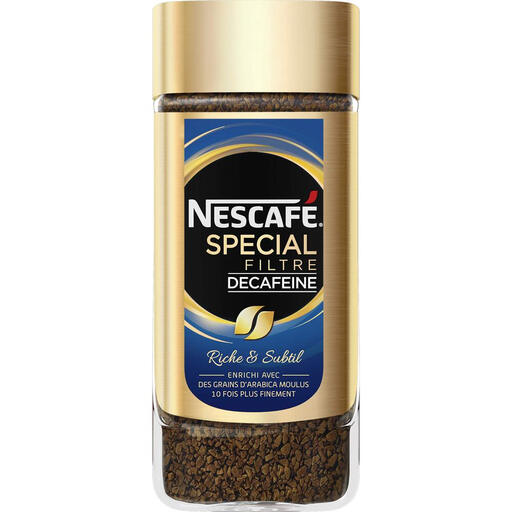 Image unavailable
Worth considering if you want a cup of instant coffee without a machine and are looking for a product labelled ‘decaffeinated’.
Stated format: 100 g. If the amount of residual caffeine matters to you, check the product label.
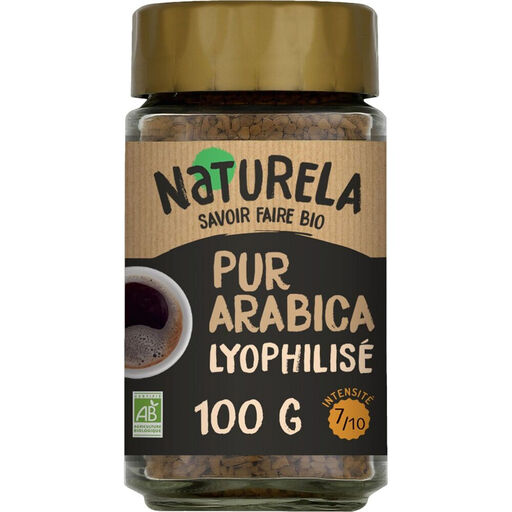 Image unavailable
Worth a look if you want to make instant coffee with hot water and are interested in NATURELA’s Organic product.
Stated format: 100 g. If you’re choosing based on caffeine, check the product information and packaging.
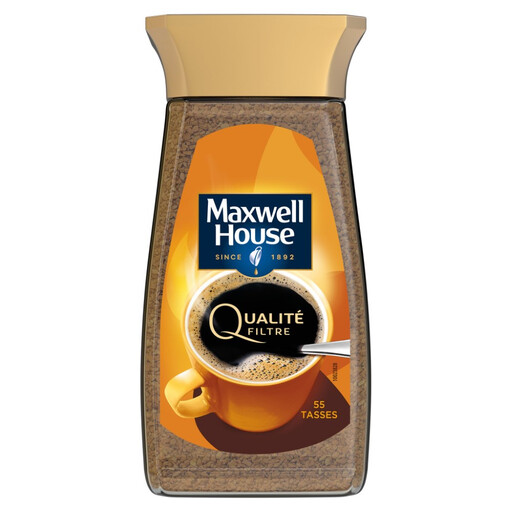 Image unavailable
This jar of instant coffee is made with hot water, so you don’t need a capsule machine.
The stated format is 100 g. If the ingredients and caffeine information influence your choice, check the packaging.
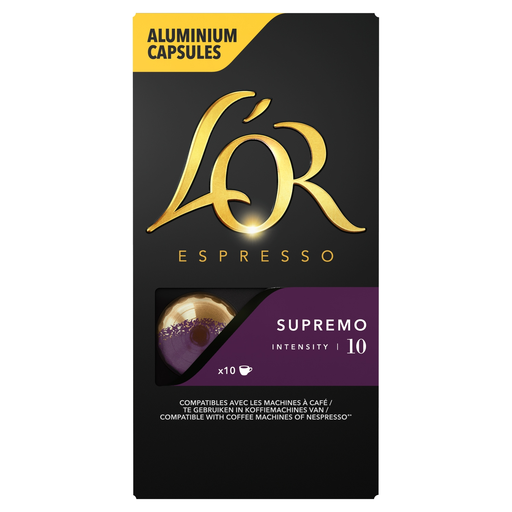 Image unavailable
Worth considering if you’d rather use a capsule machine during your lunch break than make instant coffee.
The pack contains 10 capsules. Check that they’re compatible with your machine’s exact system before buying.
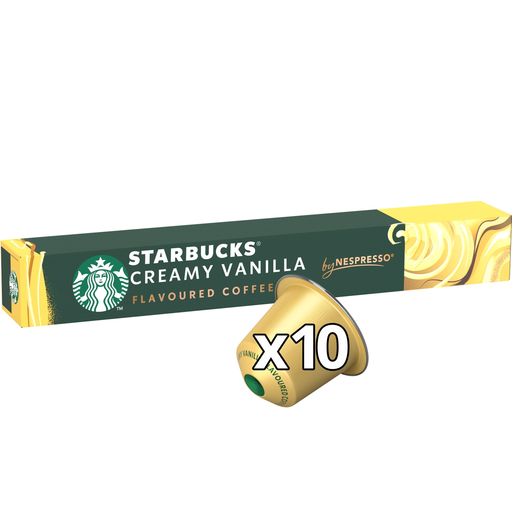 Image unavailable
Worth considering if you’re looking for vanilla-flavoured capsules to use in a compatible machine, rather than instant coffee in a jar.
The name states that the pack contains 10 capsules with an intensity of 5. Before buying, check your machine’s exact system and the net weight on the packaging.
Yes, if your priority is to make a cup with hot water and no machine. Instant coffee won’t, however, give you the same preparation as a capsule machine. If you’d rather use your machine, choose capsules that match its system.
Start by following the preparation instructions for the product you’ve bought, then adjust the amount to suit your taste. Instructions can vary between products: for example, the NESCAFÉ Spécial Filtre Décaféiné listing recommends one teaspoon with 100 ml of hot water.
Start with the product name, ingredients, net weight, preparation instructions and the date shown on the packaging. This information helps you compare products and choose a format that suits how you’ll use it. Also check the nutritional information if it’s provided.
Caffeine can have this effect, although it varies from person to person and according to their habits. Anses highlights possible delays in falling asleep, as well as reduced sleep duration and quality. If this matters to you, look for the word ‘decaffeinated’ and consider your other sources of caffeine throughout the day.