Households looking to top up less often
If you make instant coffee regularly, 180–200 g packs offer a handy supply to keep in the cupboard. Choose an amount you can use while still following the storage instructions once opened.


If you make instant coffee regularly, a 180–200 g pack can mean fewer top-ups, provided you follow the storage instructions once it’s open. A 95–100 g pack is a good choice if you want a smaller supply or a decaffeinated or organic option. If you’re after an espresso-style cup, check the product description and preparation instructions: instant coffee made with hot water isn’t the same as espresso extracted by a machine.
If you make instant coffee regularly, 180–200 g packs offer a handy supply to keep in the cupboard. Choose an amount you can use while still following the storage instructions once opened.
If you want to make a small cup with hot water, without a coffee maker or pods, check the recommended water volume and serving size. Instant coffee prepared this way is still different from espresso extracted by a machine.
If you want to keep a separate option in the cupboard, start by choosing the feature that matters most to you. Check the product description and ingredients rather than assuming what it contains from the word “espresso” alone.
Work out how much you’ll use, then compare the product description and preparation instructions. Decaffeinated and organic are separate considerations from pack size or an espresso-style profile.
| What to consider | What to check | Who is it for? |
|---|---|---|
| Size of your supply | Net weight, stated number of cups and storage instructions once opened. | I make instant coffee regularly and prefer to top up less often, but don’t want to leave a large container open for too long. Around 37% of consumers would prioritise having a good supply to hand. |
| Cup profile | Coffee description, stated intensity and recommended water volume. | For a small espresso-style cup, I want to choose the profile and preparation method before deciding on jar size. This would be the main consideration for around 27% of consumers. |
| Decaffeinated | The “decaffeinated” label and caffeine content, if stated for the product you’re considering. | I want to keep a decaffeinated option separate from my usual coffee and know the stated caffeine content for this product. Around 18% of consumers would put this choice first. |
| Organic and ingredients | The organic label and ingredient list on the specific packaging. | When stocking up, the stated ingredients or choosing organic coffee matters more to me than the container size. Around 18% of consumers would prioritise this. |
A product described as “espresso” may be instant coffee that you prepare in a cup. It doesn’t use the same extraction process as an espresso machine.
Read the product description and instructions. If you want a short cup, check the recommended water volume.
A 180–200 g container means you can keep more coffee to hand, but the size should suit how quickly you’ll use it once opened.
Follow the packaging instructions and close the container carefully after each use.
“Decaffeinated” doesn’t necessarily mean the coffee contains no caffeine at all. For example, Illy states that its Decaffeinato product contains no more than 0.3% caffeine.
If the stated caffeine content affects your choice, check the label for the exact product.
Carrefour lists Carte Noire Classique in a 180 g jar, a mid-sized option for your cupboard.
The 100 g Café Soluble Espresso Bio option is a smaller pack with ingredients declared as organic.
E.Leclerc lists a 200 g pack of Plantation freeze-dried instant coffee for a larger supply.
The Auchan options featured include a 200 g Classico, a 100 g decaffeinated coffee and a 100 g 100% arabica organic coffee.
Illy offers a decaffeinated instant coffee for anyone looking for a distinct option.
Lavazza explains how to prepare instant coffee without a coffee maker, helping you distinguish it from espresso extracted by a machine.
These products are intended for keeping instant coffee in stock: two 200 g Maxwell House options, including a pack of two, and a 100 g NATURELA option. If you’re specifically after an espresso-style cup, check the profile stated for each product rather than assuming it from the pack size.
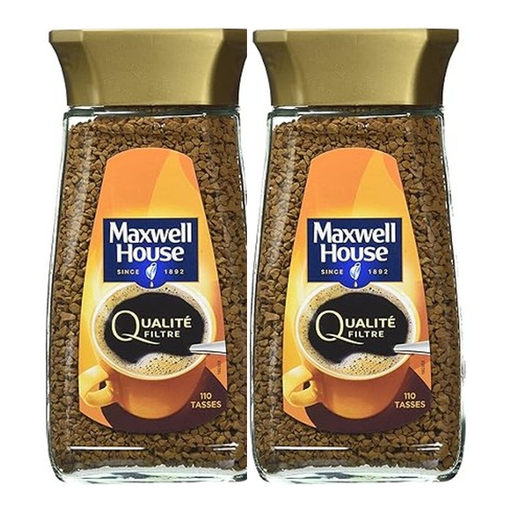 Image unavailable
A handy way to keep two containers of instant coffee to hand if you make it regularly. The pack contains 2 × 200 g; don’t assume it has an espresso-style profile from the Filter Quality description.
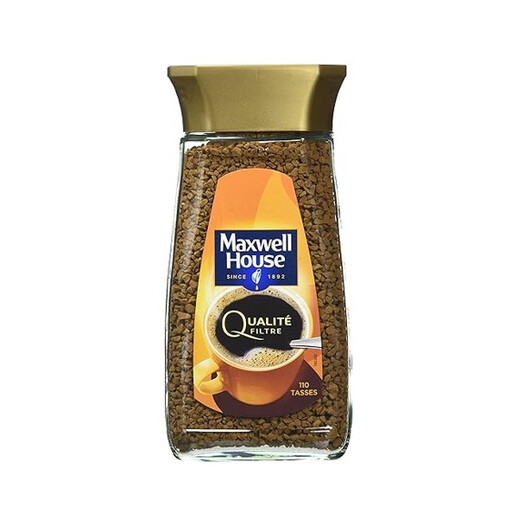 Image unavailable
A 200 g pack for stocking up on instant coffee. If an espresso-style cup is what you’re after, check that the QUALITE FILTRE profile is right for you.
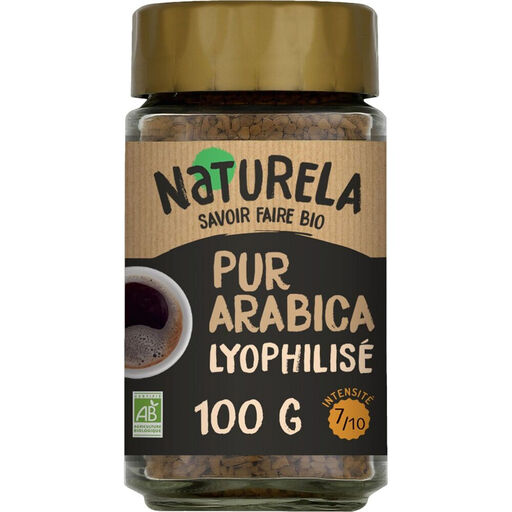 Image unavailable
A 100 g pack for keeping organic instant coffee in the cupboard. The Organic description alone doesn’t tell you whether it has an espresso-style profile, so check the product information if that matters to you.
No. This instant coffee is prepared in a cup with hot water. For example, Auchan’s product page for NESCAFÉ Espresso Original recommends one heaped teaspoon and 60 ml of simmering water. This isn’t the same as extraction by a machine.
Follow the product instructions and close the container after each use. The Auchan product pages cited for its instant coffees recommend keeping the packaging tightly sealed in a cool, dry place.
Not necessarily. Illy states that its Decaffeinato product contains no more than 0.3% caffeine. Check the information for the specific product you’re thinking of buying.
Check the product description, ingredients, net weight, stated date and storage instructions for the coffee you choose. For prepacked food sold in France, the DGCCRF reminds shoppers that labelling information must be visible, legible and written at least in French.