Fans of small, bold cups
If you prefer a small cup to a large mug, check the recommended serving size for the coffee you choose. For example, NESCAFÉ France recommends 60 ml of water for its Espresso Intenso.


For a small, bold cup between revision sessions, start with an espresso-style instant coffee where the recommended dose suits your preferred cup size. If you’re making several cups, a jar may be more convenient, as you can measure out each serving to suit your usual routine. Intensity describes the flavour profile; it doesn’t tell you how much caffeine the coffee contains. Check the preparation instructions and take account of any other sources of caffeine you have during the day.
If you prefer a small cup to a large mug, check the recommended serving size for the coffee you choose. For example, NESCAFÉ France recommends 60 ml of water for its Espresso Intenso.
A jar lets you measure out each serving with a spoon. To compare formats, look at the stated number of cups alongside the recommended dose and water volume. Auchan, for example, lists a 200 g NESCAFÉ jar as making 100 cups.
When you’re revising late, the time you take a break and your other sources of caffeine also matter. The Anses notes that caffeine can delay falling asleep and reduce both the duration and quality of sleep.
First, choose the flavour and cup size you want, then pick a format that suits how many servings you’ll make. Keep caffeine content separate from the intensity shown on the pack.
| What matters | What to check | Who it suits |
|---|---|---|
| Bold flavour | Flavour profile and recommended cup size. NESCAFÉ France recommends 60 ml for Espresso Intenso; Carte Noire’s intensity scale describes flavour, not caffeine content. | If I want a pronounced flavour without making a large mug, I go for a small cup; around 36% of consumers put this flavour profile first when making their choice. |
| Quick to prepare | Whether it comes in sachets or a jar, and what you’ll need to measure it out. According to NESCAFÉ France, instant coffee is made with hot water and doesn’t need a machine. | When I want to keep my break simple, I want to make a cup without a machine; this convenience comes first for around 29% of consumers. |
| Consistent servings | The stated number of cups, and the recommended dose and water volume for each product. Auchan lists a 200 g NESCAFÉ jar as making 100 cups of 100 ml each. | If I make several cups while revising, I want to be able to use the same amount each time; this is a priority for around 21% of consumers. |
| Drinking it late | When you’re drinking it and any other sources of caffeine; if you’re looking for decaffeinated coffee, check the exact product listing. | For an evening break, I don’t want to overlook my sleep. Around 14% of consumers prioritise this over flavour or format. |
Carte Noire distinguishes flavour intensity from the stimulating effect of coffee. So choosing a higher intensity number won’t tell you how much caffeine you’re consuming.
Use intensity to compare flavour profiles, then follow the preparation instructions for the product you’ve chosen and take your other caffeinated drinks into account.
Weight doesn’t tell you how much coffee you’ll make: NESCAFÉ France recommends 60 ml of water for Espresso Intenso, while Auchan recommends 100 ml for a NESCAFÉ jar listed as making 100 cups.
Compare the stated number of cups, the amount of coffee per serving and the recommended water volume on each pack.
The Anses says caffeine can delay falling asleep and reduce the duration and quality of sleep. A less intense-tasting cup doesn’t necessarily contain less caffeine.
If revising in the evening makes you rethink what you drink, check the ingredients and take account of all the caffeinated drinks you consume.
The profiles and formats below apply to the products mentioned, not to every coffee sold by each brand or retailer.
The range mentioned includes options designed for different cup sizes.
Its intensity scale can help you find the flavour profile you’re looking for within the brand’s range.
The retailer lists several instant coffees, making it possible to compare jar formats and servings.
Carrefour includes Carrefour Extra Gold Instant Coffee in its range of instant coffees.
For a revision break with black instant coffee, this smaller pack could be an option if its preparation instructions suit the cup you want to make. Don’t assume you can tell its caffeine content from the flavour description alone.
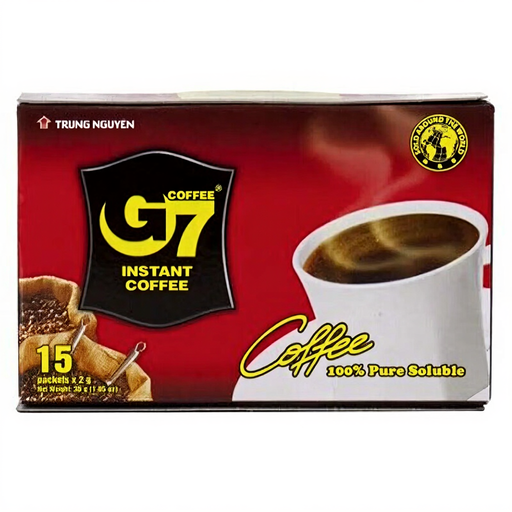 Image unavailable
A black instant coffee in a format to consider for a break you can prepare without a machine.
Pack size: 30 g. To make the cup you want, check the pack for the recommended amount of coffee and water; the flavour description doesn’t tell you how much caffeine is in each cup.
No. The intensity number alone can’t tell you how much caffeine is in a cup. Carte Noire uses it to describe flavour characteristics such as aroma, body and bitterness. To compare your drinks, also check the recommended dose and water volume for each product.
NESCAFÉ France recommends making Espresso Intenso with 60 ml of just-boiled water. Following the instructions for this product will help you get the intended flavour profile. Using the same amount of coffee with much more water will make a weaker drink.
Think about the time, your sensitivity to caffeine and any other caffeinated products you’ve had. The Anses says caffeine can delay falling asleep and reduce the duration and quality of sleep; a less bold flavour doesn’t mean a cup contains less caffeine.