Anyone who wants a cup of coffee without a machine
If you want to keep your revision breaks simple, instant coffee can be made straight in a mug with hot water. Auchan and Carte Noire product listings describe this method of preparation.


For regular revision breaks without a coffee machine, choose a 180–200 g jar if you can keep it tightly sealed. For occasional use or if cupboard space is limited, consider a 95–100 g size instead. If you drink coffee late in the day, check that it is labelled decaffeinated rather than relying on its flavour intensity, and read the ingredients if you want pure instant coffee.
If you want to keep your revision breaks simple, instant coffee can be made straight in a mug with hot water. Auchan and Carte Noire product listings describe this method of preparation.
If you drink coffee later in the day, it’s worth paying attention to the caffeine. The French Agency for Food, Environmental and Occupational Health & Safety (Anses) says it can delay sleep and reduce its duration and quality. A jar clearly labelled decaffeinated lets you choose a different recipe, although it doesn’t guarantee that the coffee is completely caffeine-free.
If you’re looking for an instant coffee described as espresso, remember that it’s different from an espresso brewed in a machine. Carrefour Bio, for example, offers a 100 g jar of Espresso instant coffee, while Carte Noire and illy offer other instant coffee styles.
Start with how often you drink coffee and how much cupboard space you have. Then check the recipe and whether it’s decaffeinated, depending on when you drink it. Compare the stated number of cups with the recommended amount for that particular product.
| Criteria | What to check | Who it’s for |
|---|---|---|
| Preparation and supply | Net weight, recommended amount and stated number of cups; whether the jar can be resealed and stored as instructed. | For frequent breaks, I want to make a cup without a machine and keep a supply in the cupboard. Around 40% of consumers would prioritise this easy preparation and having a supply to hand. |
| Recipe and flavour profile | Ingredients and product name; whether it’s described as espresso-style or another profile, without confusing this with a brewing method. | If the stated flavour matters more to me than the size of the jar, I also want to know whether I’m buying pure instant coffee or a coffee mix. Around 30% of consumers would prioritise this. |
| Caffeine later in the day | Whether it’s labelled decaffeinated and, if stated on the product, the caffeine content per serving; other sources of caffeine consumed during the day. | When I revise late, I’d rather choose my coffee explicitly than try to infer its caffeine content from its flavour intensity. Around 30% of consumers would put this first. |
The word “instant” alone doesn’t tell you what’s in the product. The Carrefour Bio Espresso listing states that this particular product is 100% organic instant coffee.
If you want to add your own milk or sugar, check the product name and ingredients before choosing.
Auchan says its 200 g Classico makes around 100 cups, while the Auchan listing for 180 g Carte Noire Classic states around 55 cups, based on a suggested serving of 1.8 g per cup. These figures depend on the instructions for each product.
Consider the jar size, recommended serving and how often you drink coffee together.
The stated intensity doesn’t tell you how much caffeine is in a cup. Anses says caffeine can disrupt sleep, and its effects vary from person to person.
For a late-night break, check whether the product is decaffeinated and consider your other sources of caffeine.
Lavazza’s beans, ground coffee, capsules and coffee pods are designed for preparation methods that require suitable equipment. They aren’t made in the same way as instant coffee mixed directly into a cup.
If you simply want to use hot water and a mug, check that the product is clearly labelled as instant coffee.
Switching to a brewing method means having a compatible coffee machine or system and, depending on the format, the right accessories.
Auchan offers a 200 g Classico, intensity 8, which is said to make around 100 cups, as well as a 100 g intense decaffeinated instant coffee said to make around 50 cups.
The Auchan listing for 180 g Carte Noire Classic instant coffee describes it as a freeze-dried Arabica/Robusta blend, making around 55 cups at the suggested serving of 1.8 g.
Among Carrefour’s products, Carrefour Bio Organic Espresso Instant Coffee comes in a 100 g jar, with an ingredients list stating that it is 100% organic instant coffee.
On its French website, illy offers 95 g instant coffees in several styles, including Classico, Intenso and decaffeinated.
Lavazza offers coffee beans, ground coffee, capsules and coffee pods. These are worth considering if you already have the right equipment.
These products are for making instant coffee directly in a cup: two 200 g Maxwell House options for a larger supply, and a 100 g NATURELA option if you have less cupboard space. The Maxwell House products are labelled Filter Quality; don’t confuse this with an espresso-style profile.
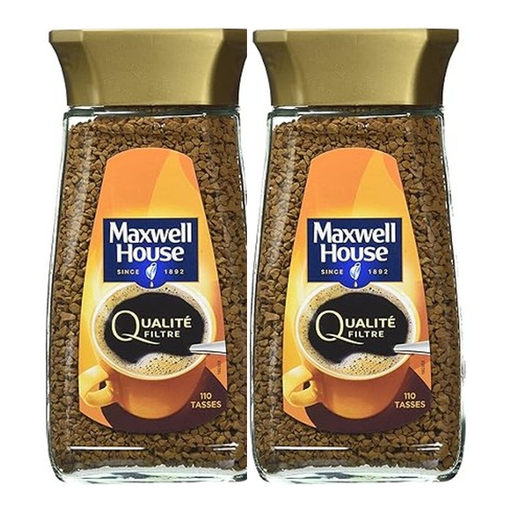 Image unavailable
A pack to consider if you drink instant coffee regularly while revising and have room for two jars.
Two 200 g jars; the product name specifies a Filter Quality profile. If you’re looking specifically for an espresso-style profile, check the product details before choosing.
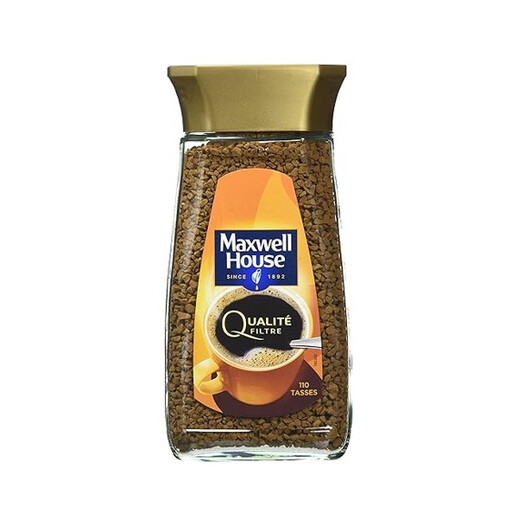 Image unavailable
This jar is a good option if you’re looking for 200 g of instant coffee but don’t want a pack of two.
This product is labelled Filter Quality. If you drink coffee late, check the product for information about its caffeine content.
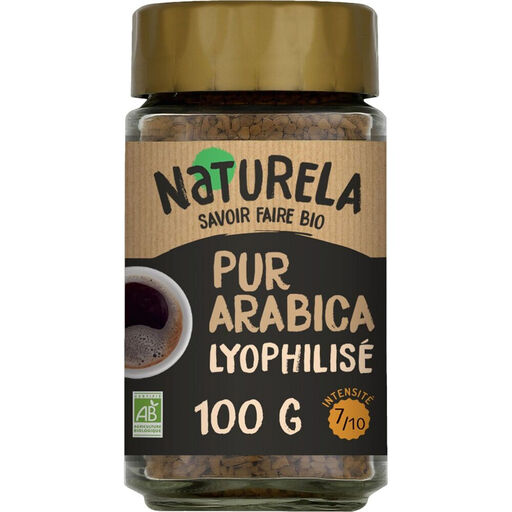 Image unavailable
The 100 g size is worth considering if you only drink instant coffee occasionally or would prefer a smaller jar that’s easier to store.
If your choice depends on a particular espresso-style profile or the caffeine content per serving, check the product details.
No. Instant coffee labelled Espresso is made in a cup, whereas espresso brewed in a machine requires suitable equipment. If you’re interested in the brewing method, check which coffee is compatible with your machine.
A 180–200 g jar suits regular use if you can store it as instructed. A 95–100 g jar takes up less space and is a better fit for occasional use. To work out how many cups you’ll get, check the recommended serving size alongside the jar’s net weight.
No. The stated intensity describes the product’s flavour profile, not the amount of caffeine per serving. If caffeine content is important to your choice, look for information specific to that product and consider any other sources of caffeine you consume.
Check the product name and ingredients rather than relying on the brand name alone. For example, the Carrefour listing for Organic Espresso Instant Coffee states that this particular product is 100% organic instant coffee. Check the ingredients on the jar you choose.