What should you check?
For instant coffee to keep as a backup, start with the number of cups you expect to make, then check the type of coffee, the packaging and the information on the product.
| Criteria |
What to check |
Who is it for? |
| Number of cups |
Compare the net weight with the stated number of cups: several 200 g products say they make around 100 cups. |
If I’m keeping coffee for several people or unexpected situations, I want a supply that lasts. Around 36% of consumers prioritise having enough quantity. |
| Type of coffee |
Read the product description and instructions: an 95 g espresso product listed by Auchan calls for 60 ml of water per cup. |
I want a type of coffee that the people I’m buying for will enjoy, even in an emergency. Taste and preparation style come first for around 29% of consumers. |
| Caffeine |
Look for the word “decaffeinated” on the exact product and follow its serving instructions. |
If I want to limit my caffeine intake, I need to be able to tell decaffeinated coffee apart from regular coffee from the same brand. This distinction is a priority for around 21% of consumers. |
| Buying and storage |
Check the packaging, availability at your chosen shop and the date printed on the packaging. |
For a quick shop, I want to find the right jar and be able to store it properly. Around 14% of consumers prioritise these practical considerations. |
Instant coffee jars on Joybuy
These options include two 200 g jars of filter-style instant coffee and a 100 g decaffeinated size. The right choice depends mainly on how many cups you expect to make and whether you prefer regular or decaffeinated coffee.
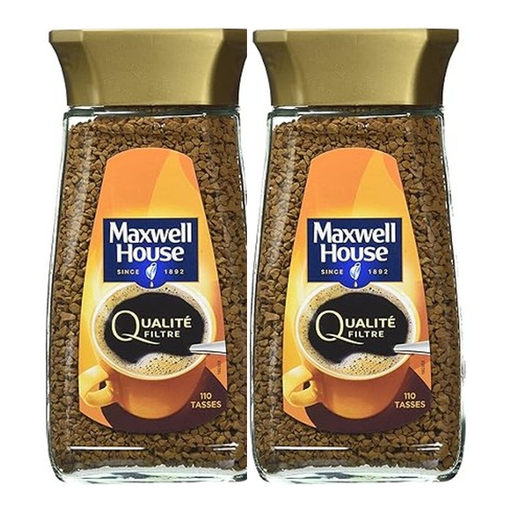 Image unavailable
Maxwell House Instant Coffee Filter Quality, 2 × 200 g
A pack to consider if you want to keep two jars of instant coffee for repeated use without a coffee machine.
Two 200 g jars; filter-style instant coffee.
View on Joybuy
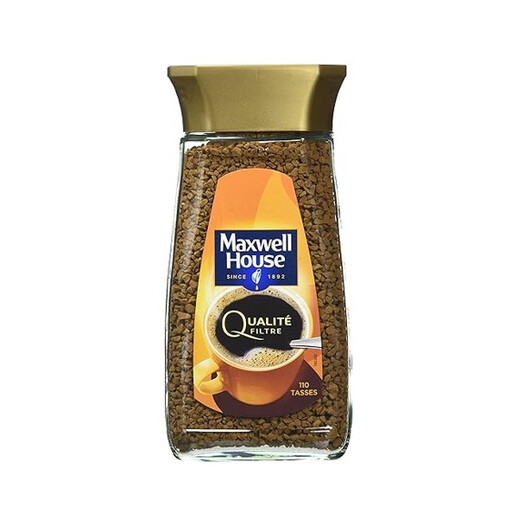 Image unavailable
Maxwell House Instant Coffee Filter Quality, 200 g
A single jar to consider for a supply of filter-style instant coffee that you can make without a coffee machine.
200 g size. Check the jar’s label for serving instructions and storage advice.
View on Joybuy
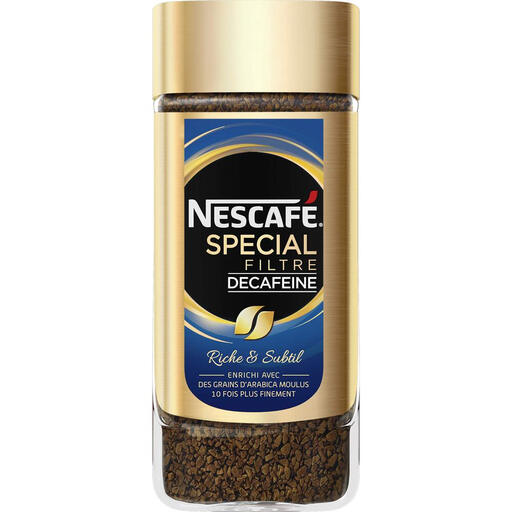 Image unavailable
NESCAFÉ Decaf Filter Coffee, 100 g
This size is a good fit if your main priority is to keep decaffeinated instant coffee rather than a large supply of regular coffee.
100 g jar. The Joybuy listing recommends 1–2 teaspoons per 150 ml of hot, non-boiling water; adjust the amount to suit the preparation instructions on the product.
View on Joybuy
Frequently asked questions
Can you make this instant coffee without a coffee machine?
Yes, the instant coffee products featured can be made with water, without a coffee machine. However, follow the product instructions: the 95 g NESCAFÉ espresso listed by Auchan calls for 60 ml of simmering water, while the 100 g NESCAFÉ decaffeinated coffee listed on Joybuy specifies 150 ml of hot, non-boiling water.
Should you choose a 200 g jar as a backup?
A 200 g jar is worth considering if you expect to make several cups: several products listed by Carrefour and Auchan say they make around 100 cups. If you’d prefer a smaller supply or a particular type of coffee, also check 95–100 g sizes and how many cups they make, where this information is provided.
How can you tell if instant coffee is decaffeinated?
Look for the word “decaffeinated” on the exact product, rather than relying on the brand or the appearance of the jar alone. Also check the size and preparation instructions before adding it to your supply.
What does the BBD mean on a jar of instant coffee?
In France, the best-before date (DDM) relates to the product’s quality. According to the DGCCRF, it can be passed if the packaging is intact, although some qualities, particularly the taste, may deteriorate. This differs from a use-by date (DLC), which must not be passed. Check the date wording actually printed on your jar.


