
Livraison le jour même ou le lendemain

Qualité garantie

Débloquez vos offres de bienvenue: Livraison GRATUITE | Jusqu'à -80 % | 30 jours d'essai gratuits à JoyPlus
Téléchargez l'application
An instant chocolate powder can simplify breakfast, snack time or making a hot chocolate. But not all products are suited to the same uses. A sweetened formula designed for cold milk behaves very differently from an unsweetened cocoa powder intended for baking. Likewise, a 1 kg bag may be practical for a family or a professional, but it can be particularly bulky in a small kitchen.
Before you buy, three common pitfalls keep cropping up:
The term cocoa powder can cover very different recipes. An unsweetened cocoa, like certain Van Houten products, works well for cakes, creams, tiramisus and drinks where you want to control the sugar yourself. The Van Houten Cocoa Powder 255 g listing shows a sugar-free cocoa powder with around 0.8 g of sugars per 100 g.
In contrast, a hot chocolate mix usually contains sugar, and sometimes milk powder or flavourings. Nesquik Original 300 g contains 23 % fat-reduced cocoa and 75 g of sugars per 100 g of powder. This profile is designed for a drink that can be quickly mixed with milk, rather than for a recipe that needs precise sugar measurement.
Read the ingredients list in the order they appear. Allergens must be checked before serving the drink to a child or someone with sensitivities. Depending on the product, you may find:
Bananina Original, for example, combines cocoa, cereals containing gluten, dried banana and honey. So it doesn't meet the same need as a cocoa powder with no declared allergens. Always check the label on the product you receive, because the composition and declarations can change.
For family use, compare the net weight, the recommended dosage and how easy it is to store. Nesquik 300 g recommends about two teaspoons, or 13.5 g, for 200 ml of hot or cold milk. Granules can help reduce lumps, but careful mixing is still needed.
A powder designed to be made with hot water, such as Suchard Instant Hot Chocolate 1 kg, is intended for quick service. The listing recommends 20 to 25 g in a glass of hot water, without bringing the mixture to the boil. For a creamier texture, some people prefer to replace the water with milk, if the composition and dietary habits allow.
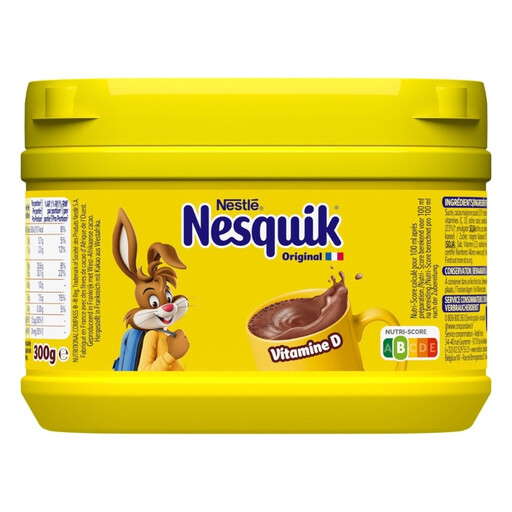
Why this choice suits this profile: Its 300 g size lets you try a chocolate milk drink without committing to a large stock. The mix is designed to be stirred into hot or cold milk.
The composition clearly states 23 % cocoa and the dosage is given for 200 ml of milk, so you can estimate consumption before buying.
300 g size, can be prepared hot or cold, declared presence of vitamins C and D, and a resealable closure for airtight storage.
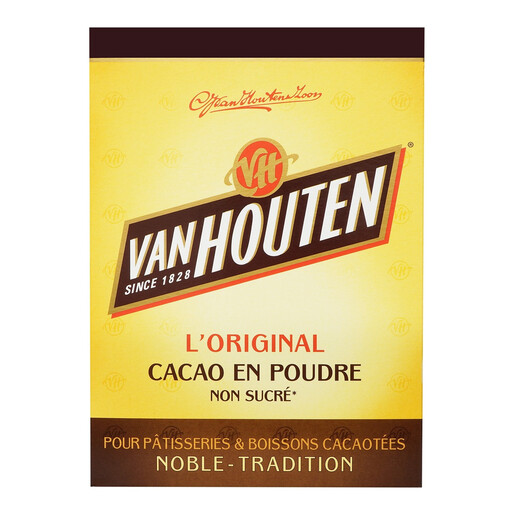
Why this choice suits this profile: This sugar-free cocoa powder lets you decide how much sugar, milk or sweetener to add to your cup. It can also be used in baking.
This is not a pre-sweetened drink: the listing shows around 0.8 g of sugars per 100 g, which avoids confusing pure cocoa with an instant mix.
255 g, no declared allergens on the listing, and can be used for hot drinks, decoration and desserts.
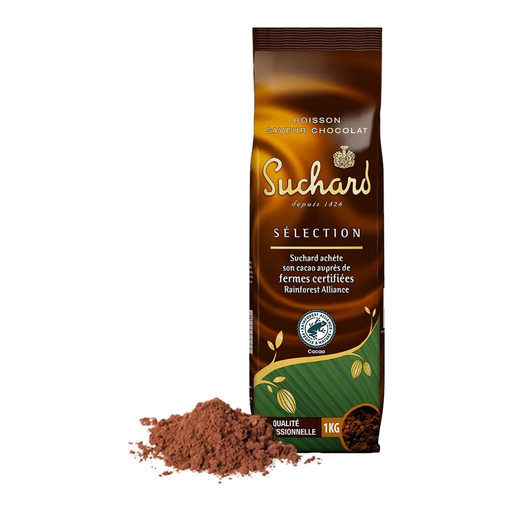
Why this choice suits this profile: The large pack is ideal for big families, offices, community groups and catering businesses that serve hot chocolate regularly.
The dosage of 20 to 25 g and the preparation with hot water are clearly stated, making it easy to calculate the number of cups and reduce waste.
1 kg size, 20 % declared cocoa and contains milk powder for preparation with hot water.
Other profiles may prefer Poulain in 450 g, advertised with at least 32 % cocoa, or its 400 g version with at least 47 % cocoa. Fans of malted recipes can turn to Ovomaltine, which contains 51 % barley malt extract and 13 % cocoa. Benco, Columbus and Suchard also offer different sizes and compositions, depending on the texture and preparation method you're after.
We've put together a full list, updated in real time, of products that fully meet these strict selection criteria and European safety regulations.
Chocolate powder, or instant mix, often contains sugar, sometimes milk powder and flavourings. Unsweetened cocoa powder contains mostly cocoa and lets you adjust the recipe yourself. For a drink intended for children, be sure to check the amount of sugars per 100 g and the recommended dosage per cup.
Start by pouring a small amount of hot milk or water onto the powder to form a smooth paste. Then add the rest of the liquid while stirring. Follow the recommended temperature: many mixes advise hot water, but not boiling.
Store it in a cool, dry place, away from light and moisture. Seal the tub or bag carefully after each use. The best-before date on the packaging is your reference. Before using the powder, also check its appearance, smell and how freely it flows.