
Livraison le jour même ou le lendemain

Qualité garantie

Débloquez vos offres de bienvenue: Livraison GRATUITE | Jusqu'à -80 % | 30 jours d'essai gratuits à JoyPlus
Téléchargez l'application
The arrival of warmer weather brings the joy of leaving windows wide open... and the return of mosquitoes. To enjoy the fresh air without unwanted guests, the roll-up insect screen is a solution that is as effective as it is economical. But be warned, not all models are created equal. Seemingly similar products can hide flaws that turn your DIY session into a total nightmare. To make the right choice the first time, here are the 3 pitfalls you must avoid.
To avoid falling into these traps, you just need to check a few key technical specifications. They will help you judge the true quality of a roll and its suitability for your project.
The choice of material is crucial: it determines the durability and ease of installation of your anti-mosquito mesh.
The size of the mesh is a key parameter. A standard mesh of about 1.6 mm x 1.6 mm offers the best balance. It is fine enough to block most mosquitoes, flies, and other flying insects, while ensuring good airflow and a perfect view of the outside. An anti-insect net with a larger mesh would be a real sieve for gnats.
A quality cut-to-size insect screen should cut cleanly with simple scissors, without its edges fraying. This feature, often found on fibreglass screens, is essential for achieving a flawless finish and simplifying attachment to the frame of your window insect screen or door. A material that doesn't fray ensures uniform tension and a longer lifespan for the installation.
Because every project is unique, here are three insect screen rolls that meet very specific needs.
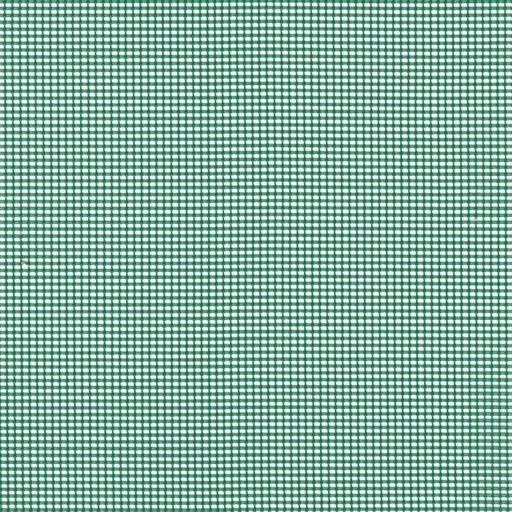
The profile: Perfect for outfitting one or two windows or for a temporary need. Its 5-metre format prevents waste, and the plastic is an economical solution, ideal for seasonal use or a second home.
This plastic is UV-treated, ensuring it holds up much better against the sun (no discolouration or weakening) than entry-level models. Its 1.6 x 1.6 mm mesh is an effective barrier against the smallest insects.
Waste-reducing 5-metre format, robust and tear-resistant material, easy to cut to fit any frame.
The profile: The solution for homeowners who want to equip the entire house (windows, patio doors, vents). The 30-metre roll and the longevity of fibreglass make it a long-term investment.
The fibreglass insect screen is dimensionally stable and UV-treated, two guarantees against premature ageing. Its woven structure allows for a clean cut without any fraying, for an easy installation and a result that lasts.
30m roll to equip multiple openings, excellent dimensional stability, high resistance to weather and chemicals.
The profile: Its white colour blends into the background on light-coloured frames and preserves maximum brightness. The 1.20m width is a plus for non-standard window sizes, while still offering the quality of fibreglass.
Like any quality fibreglass screen, it cuts perfectly without fraying, a key point for a custom fit. Its UV treatment ensures the white will not yellow over time.
Discreet white colour that maximises light, versatile 1.20m width, washable at 30 °C for easy maintenance.
Explore our complete selection of insect screen meshes that meet our quality criteria and current standards.
1. What is the difference in durability between a fibreglass and a plastic insect screen? In the long run, fibreglass wins hands down. It is designed to withstand several years of weather and UV exposure without warping. Plastic, even when treated, is more of a seasonal solution. It's an economical short-term option, but it will likely need to be replaced more often.
2. How do you install a roll-up insect screen yourself? The installation is within reach of any DIYer. Measure your window or door frame, then cut the screen, leaving a few centimetres of margin. The simplest way to attach it is with adhesive hook-and-loop tape: stick one part to the frame and attach the other (by sewing or stapling) to the edge of the screen. Remember to stretch the screen taut during installation for a flawless finish.
3. Is a roll-up insect screen reusable? Absolutely. Quality screens, especially those made of fibreglass, are built to last. They are washable (usually at low temperatures) and robust. At the end of the warmer months, simply detach it, clean it, fold it, and store it in a dry place until the following year.