
Livraison le jour même ou le lendemain

Qualité garantie

Débloquez vos offres de bienvenue: Livraison GRATUITE | Jusqu'à -80 % | 30 jours d'essai gratuits à JoyPlus
Téléchargez l'application
An insect screen keeps mosquitoes, flies and other small bugs out while still letting the air circulate. But you need to pick the right model: the wrong size, a material that warps, flimsy fixings or mesh that is too wide can quickly turn a good idea into a disappointing purchase.
Before you choose a window screen, a door screen or a cut-to-size mosquito net, it is worth looking at a few practical criteria rather than relying solely on marketing claims.
A 5-metre or 30-metre roll might seem more than enough. However, it is the width that really determines whether it can cover a door, a tall window or a ventilation opening. A net that is one metre wide will not necessarily suit a patio door without a join or a special cut.
Measure each opening and allow extra for fixing. If you have several windows, work out the total area before comparing rolls.
The size of the openings directly affects which insects the net can keep out. Models with a rectangular mesh of 1.6 × 1.6 mm are suitable for general protection against mosquitoes and flies, according to the manufacturer's specifications.
A net intended for a balcony, a garden or a chicken coop does not necessarily have the same purpose. A balcony protection net may need to stop small objects or prevent small animals from getting through. An insect screen, on the other hand, uses a fine mesh while still allowing good airflow.
Even a strong net is useless if there are gaps at the sides. Adhesive strips, staples, clips and fixing profiles must be compatible with the surface: PVC, wood, aluminium, painted walls or metal frames.
For outdoor installation, also check resistance to UV, moisture and temperature changes. A plastic or fibreglass screen that is UV-stabilised may be better suited to seasonal use on a patio, balcony or exposed window.
Plastic insect screen is lightweight, flexible and generally easy to cut. It works well for DIY projects, temporary openings or garden protection. The Tenax range includes a green roll of 1 × 5 m in plastic, with 1.6 × 1.6 mm openings.
Fibreglass insect screen offers a more stable structure over time and may be washable, depending on the product details. Some Tenax Tropical models are available in rolls of 1 × 30 m or 1.2 × 30 m. According to the manufacturer's information, they can be cut with scissors without fraying. When cutting, it is still recommended to wear gloves, as the fibres can irritate the skin.
For a cut-to-size insect net, take into account:
A 30-metre net is better suited to several windows, doors or installations. A 5-metre roll may be enough for a one-off need. However, length should not be the only factor: the method of fitting and the compatibility of the material with the frame matter just as much.
For a window or door, choose a fine mesh, a clean cut and a perfectly sealed fixing. For a balcony, patio or garden, UV resistance and flexibility are more important. For an aviary or chicken coop, choose a net designed for containing and protecting animals, rather than a simple insect screen.
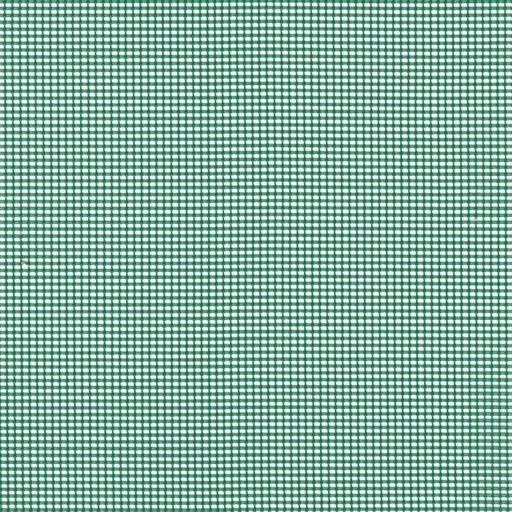
Why this suits this profile: Its 1 × 5 m roll is ideal for a small installation, a window or a DIY project that needs a custom cut.
Its 1.6 × 1.6 mm mesh and the ability to cut the net reduce the risk of choosing a protection that is too wide or hard to fit.
Green plastic, 5 m roll, custom cut and good airflow, according to the product description.
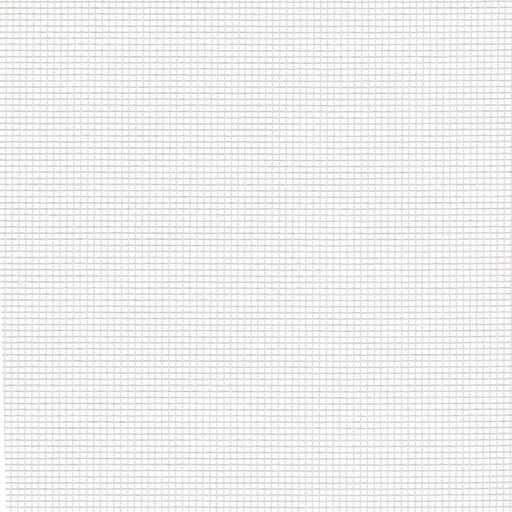
Why this suits this profile: This 1.2 × 30 m roll is ideal for homes with several windows or doors to cover, with the idea of reusing the net season after season.
Its greater width and long length reduce the number of joins needed for a large installation. The fibreglass is also described as stable and weather-resistant.
Fibreglass, cut with scissors, washable at 30 °C and fine rectangular mesh of 1.6 × 1.6 mm.
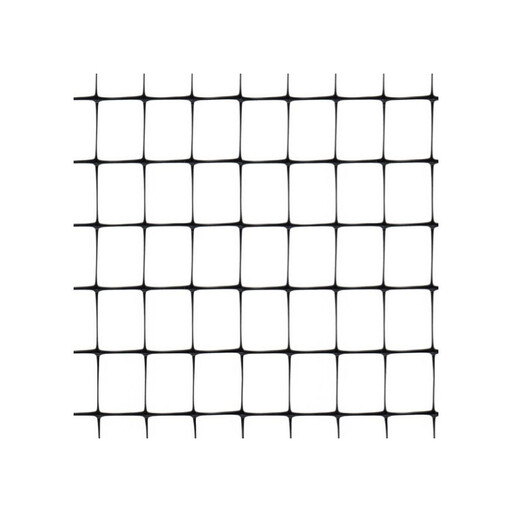
Why this suits this profile: With its 2 m height and 200 m length, it is designed for large-scale installations: aviary, poultry run or chicken coop.
This is not a simple window screen: its dimensions and 16 × 19 mm mesh are designed for containing animals and poultry.
Great length, 2 m height, material described as resistant to outdoor conditions and can be fixed to posts or frames.
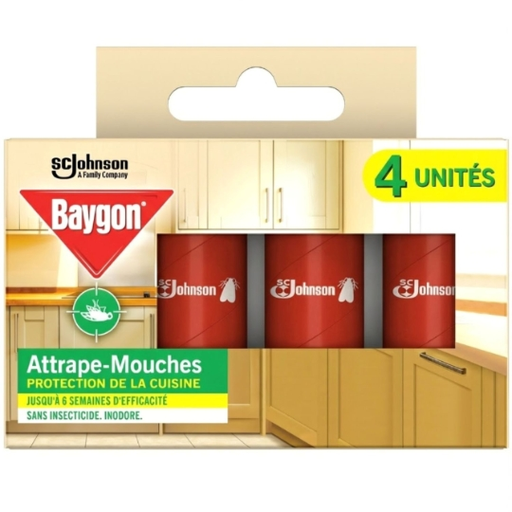
Why this suits this profile: This fly trap complements a physical barrier in a room where flies are already present.
It does not replace a properly fitted net, but offers a complementary, insecticide-free solution for indoors, according to the description.
Pack of four strips, insecticide-free operation as stated by the manufacturer and recommended replacement every six weeks or when the strip is covered.
We have put together a comprehensive list, updated in real time, of products that meet these strict selection criteria and European safety regulations.
For a long-lasting fit, cut the net on a flat surface and allow enough margin around the opening. Fix it without over-stretching, then check every corner and join. A properly adjusted mesh should not be blocked by leaves or dust.
Depending on the material and the manufacturer's instructions, a gentle wash may allow you to reuse the net after the season. Avoid abrasive products, flames and heat sources. With a fibreglass screen, wear gloves when cutting and keep offcuts out of reach of children.
A mosquito repellent or diffuser can complement a physical barrier, but these products must be used according to their label. For the RAID diffuser, the manufacturer recommends reading the safety instructions and keeping the product away from children, aquariums, bees and bird cages.
You can use hook-and-loop tape, clips, staples or a fixing profile suitable for the surface. The net must cover the entire opening without leaving any visible gaps at the sides. In a rental property, a removable fixing is often more practical, as long as it does not damage the surface.
It depends on its exposure to sunlight, handling and the quality of the fixing. Models described as UV-resistant, washable and non-deforming can be stored for reuse. However, inspect the net before each installation. Replace it if the mesh is torn or if the edges can no longer be properly fixed.
Not always. An insect screen is suitable for openings you want to protect against mosquitoes and flies. For a balcony, a dedicated protection net may meet a different need. For an aviary or chicken coop, choose a net with dimensions and mesh suited to the animals in question.