
Livraison le jour même ou le lendemain

Qualité garantie

Débloquez vos offres de bienvenue: Livraison GRATUITE | Jusqu'à -80 % | 30 jours d'essai gratuits à JoyPlus
Téléchargez l'application
An insect net may seem simple to choose. However, mesh that is too wide, a fastening that comes loose or a material that is unsuitable for outdoor use can quickly reduce its effectiveness. Windows, doors, air vents, balconies, vegetable gardens and chicken coops all have different requirements.
Before placing your order, take the time to distinguish between fibreglass mosquito netting, designed to stop insects from entering, and protective netting intended to contain small animals or limit the spread of debris. Here are the criteria to consider to avoid buying a product that is not suitable for your needs.
A mosquito net for windows and doors creates a barrier against mosquitoes, flies and small insects while allowing air to circulate. Under no circumstances should it be used as a guardrail, load-bearing support or fall-protection device.
A balcony safety net, on the other hand, can stop a small animal from getting through or help limit the fall of lightweight objects. However, it is not a substitute for regulated safety equipment. Always follow the manufacturer’s instructions and the stated usage limits.
Resistance to UV rays, moisture and temperature fluctuations depends on both the material and its treatment. An installation in full sun is exposed to far greater stresses than a mosquito net fitted behind a window.
For outdoor use, look for an explicit mention of UV stabilisation, weather resistance or seasonal reusability. Also check whether the netting is easy to wash and whether it retains its dimensions after cutting.
Even perfectly suitable mesh becomes ineffective if gaps appear at the sides. The mosquito net should be fitted onto a clean support, without pronounced creases or any space between the frame and the netting.
Depending on the support, you may need adhesive tape, hook-and-loop strips, staples, fasteners or a profile. These accessories are not always supplied with the roll.
For anti-mosquito netting intended for windows, doors and air vents, a square mesh measuring 1.6 × 1.6 mm is a common standard. It provides a sufficiently fine barrier against small insects without excessively restricting airflow.
A more open mesh may be suitable for protective garden netting, grilles or balconies when the main purpose is to retain leaves, small debris or small animals. However, it will not provide the same protection against mosquitoes.
The material should be chosen according to how the netting will be used. For an aviary or chicken coop, in particular, check the height, mesh size and anchoring system according to the animals concerned.
A cut-to-size insect screen sold on a roll is ideal for bespoke projects. Measure each opening separately and allow enough extra material for fastening. Cutting with scissors is quick, but some materials may leave sharp edges, so it is best to wear gloves during installation.
To equip several windows or doors, a 30 m roll avoids the need for multiple joins. For a single window, part of a balcony or a small greenhouse, a 5 m roll will be easier to handle and store.
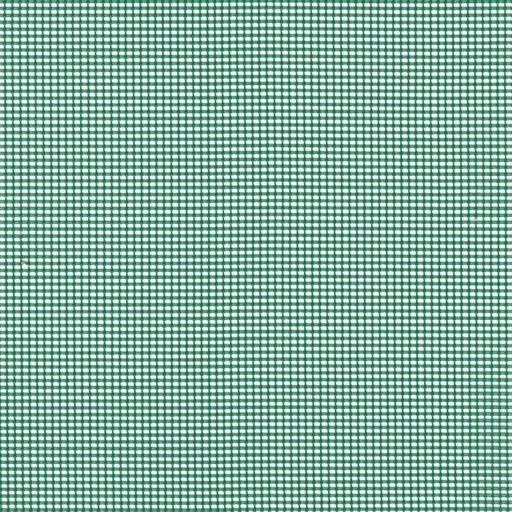
Why this choice suits this profile : Its 1 × 5 m roll is enough for small openings, a balcony or an occasional project, without requiring you to buy a large quantity of material.
Its 1.6 × 1.6 mm mesh is designed for mosquitoes and flies, unlike outdoor netting with a wider mesh.
Flexible plastic material, easy to cut with scissors, stated UV resistance and the option to wash it.
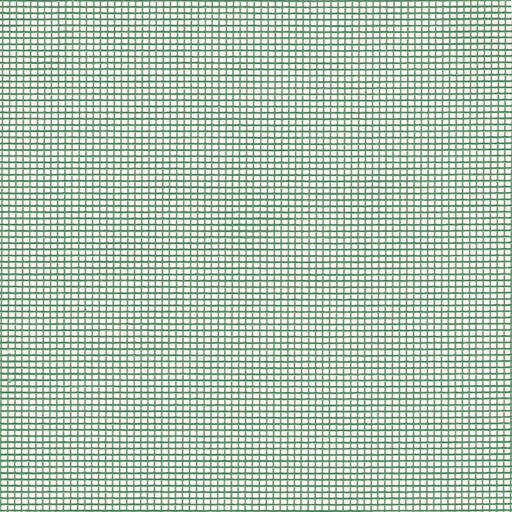
Why this choice suits this profile : At 30 m long and 1 m wide, this roll can be used to equip several windows, doors or air vents, while remaining discreet thanks to its grey finish.
The fibreglass and fine mesh are suitable for domestic installations. Cutting it to size avoids poorly fitting standard dimensions.
A 30 m roll, 1.6 × 1.6 mm mesh, stated dimensional stability and resistance to UV rays, chemicals and the weather.
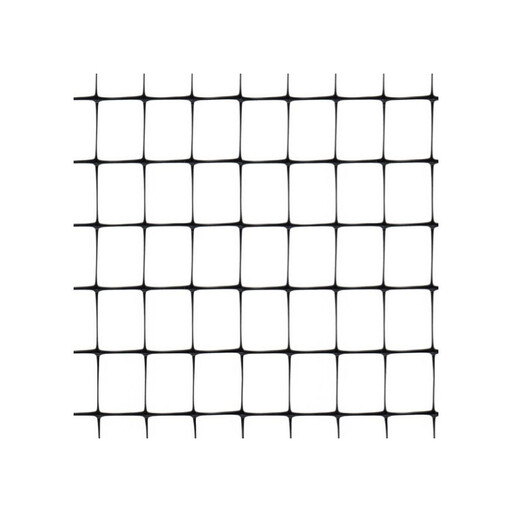
Why this choice suits this profile : At 2 m high and 200 m long, this netting is suitable for aviaries, chicken runs and large agricultural installations.
This is not fine window mosquito netting, but a net specifically presented for containing animals and poultry.
A stated mesh size of 16 × 19 mm, adjustable length and a design intended for outdoor use.
To install mosquito netting, first clean and then dry the frame. Cut the netting, leaving a few centimetres of extra material, secure one side first, then gradually tension the other three. Check the corners and joins before trimming away the excess.
Protective netting for a balcony or garden can be secured with ties or staples suitable for the support. Tenax Jolly 0.5 × 30 m is presented as suitable for balconies, grilles, air vents and gardens. Its diamond-shaped polyethylene mesh can be cut and rinsed with water. It must not be used as a load-bearing barrier.
If insects are already present, a non-insecticide fly trap can complement physical protection. Baygon strips are intended for indoor use, at a rate of one strip per 10 m² according to the supplied instructions. Keep them out of the reach of children and animals. A mosquito repellent must also be used in accordance with its label, particularly around children, animals, aquariums or beehives.
We have compiled a complete, real-time updated list of products that fully meet these strict selection criteria and European safety regulations.
Measure the opening, cut the netting leaving a margin, then use hook-and-loop tape or an adhesive suitable for the surface. The fastening should run continuously around the entire perimeter to prevent gaps. For a more permanent installation, a frame or profile will generally provide more consistent support.
It all depends on its exposure to UV rays, wind and friction, as well as the quality of the fastening. Inspect the mesh regularly, particularly after windy weather. Washable netting that is stored correctly in a dry place can be reused from one season to the next, but its lifespan varies according to the conditions of use.
Not necessarily. Fine mesh is suitable for blocking mosquitoes. To retain leaves, protect a grille or limit the passage of small animals, a more open net will often be easier to install and maintain. The right choice depends on what you want to keep out, not on a general claim printed on the packaging.